Post by : Vansh
Kumar
Trade Agreements and Diplomacy: Driving Economic Growth and Strengthening Global Relations
In today’s globalized world, trade agreements play a pivotal role in shaping economic growth and international relations. These agreements, negotiated between countries, establish rules for commerce, investment, and market access, ensuring mutual benefits for the participating nations. Coupled with diplomacy, trade agreements are powerful tools that help countries strengthen partnerships, resolve disputes, and promote stability in international markets. Understanding the intersection of trade and diplomacy is essential for policymakers, businesses, and global citizens who aim to navigate the complexities of modern commerce.
The Role of Trade Agreements in Global Economics
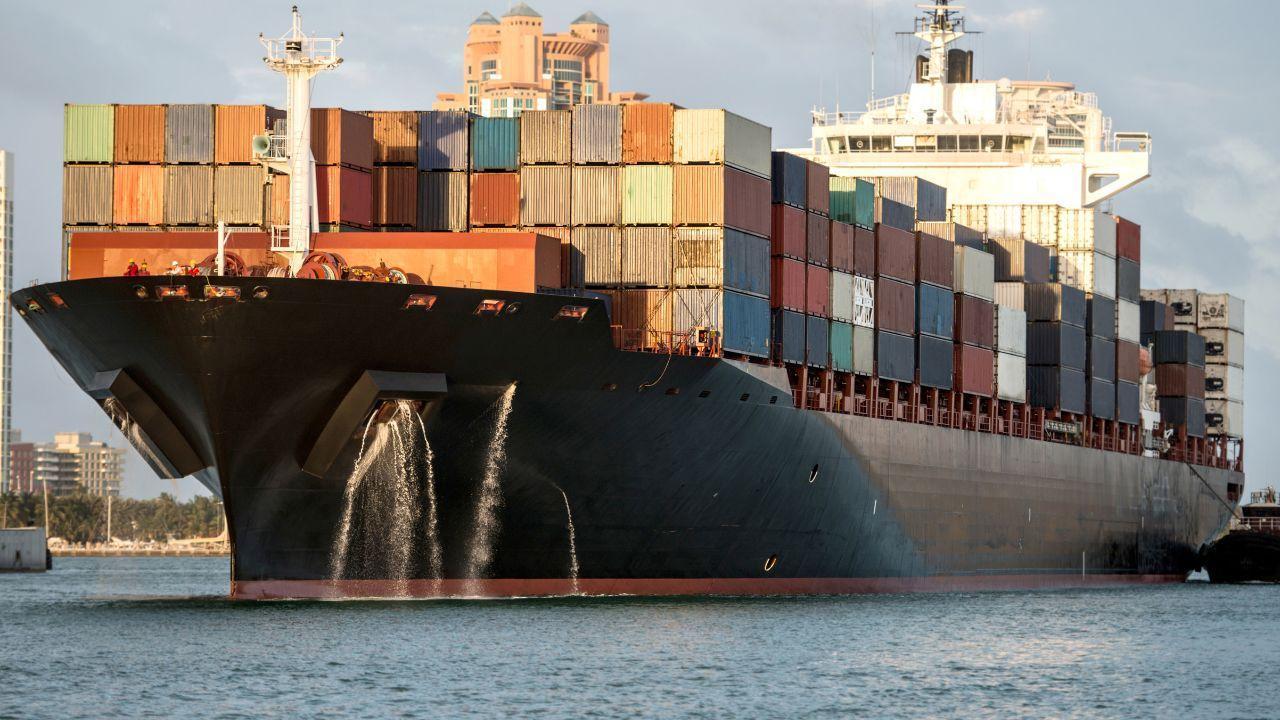
Trade agreements are formal arrangements between countries designed to facilitate the flow of goods, services, and capital across borders. By reducing tariffs, standardizing regulations, and protecting intellectual property rights, these agreements create a favorable environment for businesses and investors. For example, free trade agreements (FTAs) and regional trade deals often lead to increased exports, job creation, and economic diversification. Beyond economics, these agreements also foster interdependence between nations, encouraging cooperation and reducing the likelihood of conflicts.
How Diplomacy Enhances Trade Relations
Diplomacy is the art and practice of managing international relations, and it is crucial in negotiating, implementing, and maintaining trade agreements. Skilled diplomats engage in dialogue, build trust, and address disputes to ensure agreements function smoothly. Diplomatic efforts are particularly important when navigating complex negotiations involving multiple countries, differing economic priorities, and sensitive political environments. Effective diplomacy ensures that trade agreements are balanced, fair, and mutually beneficial, promoting long-term partnerships rather than short-term gains.
Types of Trade Agreements
Trade agreements vary in scope and purpose, but all aim to facilitate commerce and strengthen relations. Key types include:
-
Bilateral Agreements – Between two countries, often addressing tariffs, customs procedures, and investment protections.
-
Regional Trade Agreements (RTAs) – Involving multiple countries within a region to enhance regional integration and economic cooperation.
-
Multilateral Agreements – Involving numerous countries, typically under the framework of international organizations like the World Trade Organization (WTO).
-
Preferential Trade Agreements (PTAs) – Offering preferential access to certain goods or services to encourage trade between specific countries.
Each type of agreement requires careful negotiation, strategic planning, and ongoing diplomatic engagement to maximize its impact.
Economic Benefits of Trade Agreements
Trade agreements provide significant economic advantages. By lowering trade barriers, they create new market opportunities, reduce costs for businesses, and increase consumer choice. Countries with strong trade agreements often see enhanced competitiveness in the global market, as companies gain access to resources, technologies, and talent from partner nations. Additionally, trade agreements can stimulate innovation and investment, as businesses seek to meet new standards and expand their reach. The economic growth generated by trade agreements ultimately strengthens national economies and contributes to global prosperity.
Disclaimer: The information provided in this article is intended for general awareness and educational purposes regarding trade agreements and diplomacy. Readers are encouraged to verify details and make informed decisions. GCC news network is not responsible for any outcomes, financial decisions, or actions taken based on the content of this article.


 English