Post by : Shakul
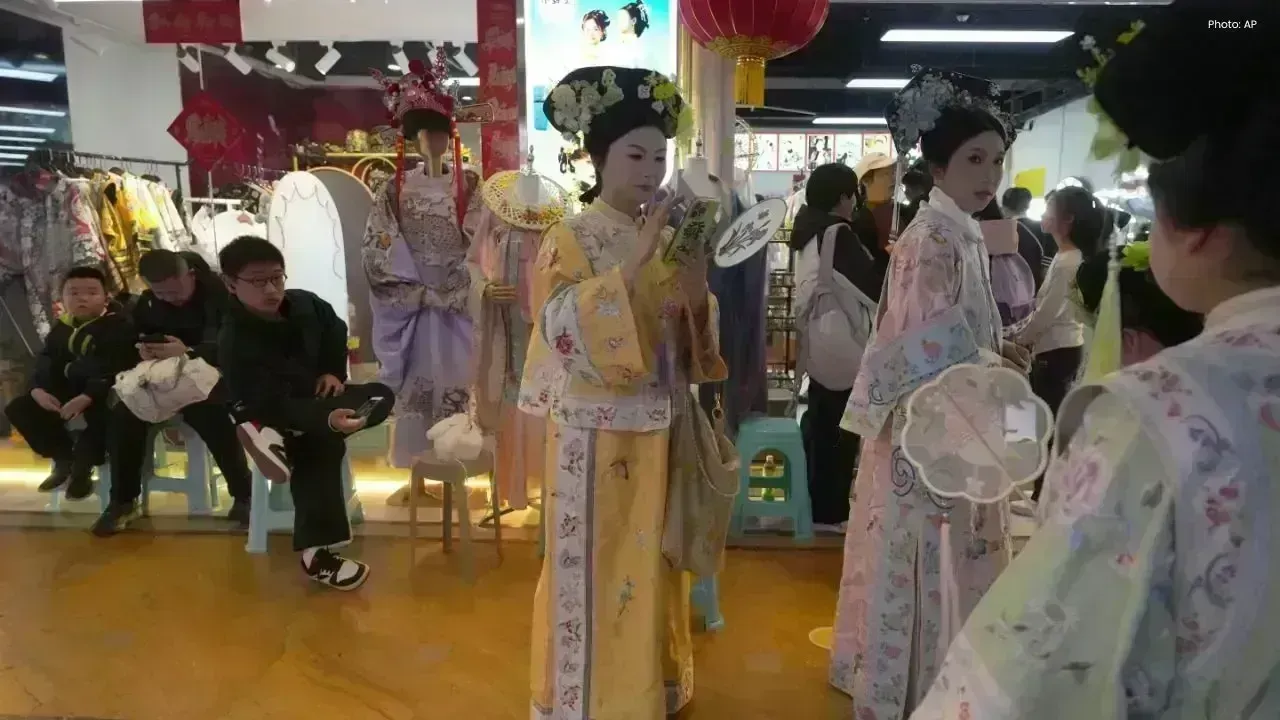
A rising trend in cultural tourism is reshaping the landscape around Beijing’s famed Forbidden City, attracting thousands who are inspired by the elegance of ancient Chinese attire. Young adventurers from all over China are increasingly opting for opulent imperial-era outfits, transforming historic sites into lively exhibitions of traditional culture and contemporary social media innovations.
This flourishing sector has opened up numerous opportunities for makeup artists, costume designers, photographers, and studio operators. Businesses near the Forbidden City now provide comprehensive transformation packages enabling visitors to embody roles like emperors, empresses, and other noble figures from China’s imperial legacy. These packages typically feature professional makeup, hairstyling, jewelry, and historically accurate garments.
Among those thriving in this new environment is makeup artist Chen Jiao, who dedicates long hours to readying guests for their historical photoshoots. During peak tourist seasons, especially on weekends and holidays, demand surges so much that stylists begin their days well before dawn, attending to dozens of clients each day. The rise in popularity of these services has positioned ancient costume tourism as one of the fastest-evolving cultural enterprises in Beijing.
Visitors are particularly drawn to garments influenced by the Ming and Qing dynasties—two of China’s most notable historical periods. Elaborately embroidered robes, detailed hair adornments, jade pieces, and authentic royal attire immerse wearers in the aura of imperial China. Many then explore the surrounding walls, gardens, and waterways of the Forbidden City to take captivating photos and videos for social media.
Observers note that this trend mirrors a wider rekindling of interest in traditional Chinese culture among younger individuals. Educational programs, historical explorations, and the rising popularity of costume-focused television series have inspired many young people to engage with their cultural roots more personally. For many, dressing in historical garments fosters a deeper appreciation for China's rich history and artistic heritage.
The swift growth of this industry is evident in Beijing's historical districts. Buildings that previously housed just a few costume studios now accommodate numerous specialized businesses. Local reports indicate a significant rise in the number of studios around the Forbidden City as consumer demand continues to soar.
Tourists express that the experience goes beyond capturing memorable images. Many see it as a distinctive chance to delve into history while showcasing their admiration for traditional aesthetics. By integrating age-old fashion with modern lifestyles and digital storytelling, this trend not only aids in preserving cultural heritage but also helps introduce it to a new wave of enthusiasts both in China and beyond.


 English