Post by : Shweta
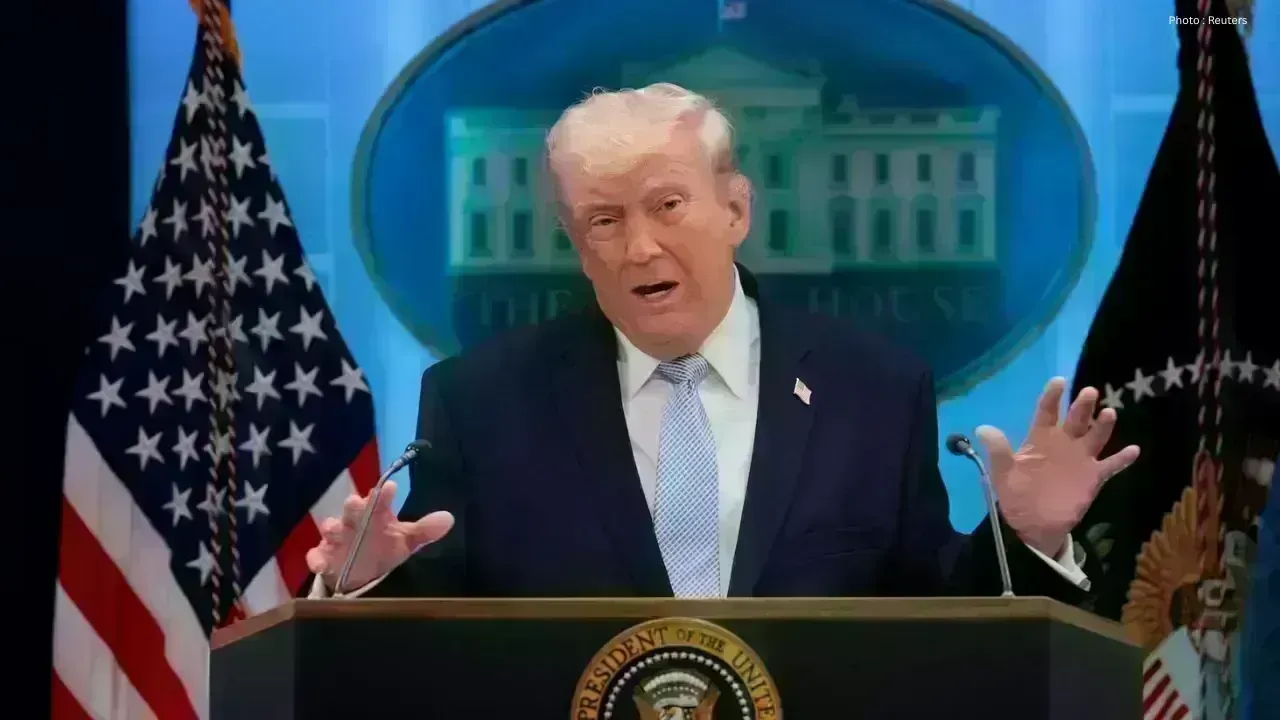
US President Donald Trump has given the order for a blockade by the United States Navy against vessels associated with Iran in the key maritime passage of the Strait of Hormuz, following the breakdown of ceasefire negotiations between the US and Iran in Pakistan.
US Central Command (CENTCOM) indicated that this blockade will commence on Monday and focus on ships linked to Iranian ports. Officials noted that while the blockade will enforce restrictions in international waters, it will permit transit for vessels moving between non-Iranian ports. This initiative aims to heighten pressure on Iran amid escalated tensions and ongoing diplomatic challenges.
President Trump emphasized that this decision forms part of a larger strategy to reduce Iran's sway in the region, particularly over critical oil transport routes. With the Strait of Hormuz being pivotal for global oil exports, any interruption raises significant alarms in international energy sectors. Trump also mentioned that vessels subjected to what he termed as "illegal tolls" imposed by Iran could face US intervention.
This announcement follows the conclusion of senior-level discussions between the two nations that ended in a stalemate. US Vice President JD Vance, who led the American team in Islamabad, confirmed the failure to bridge major gaps, primarily concerning Iran's nuclear ambitions. These discussions represented significant diplomatic overtures between the two countries in recent times.
Iran’s reaction was immediate and forceful. Officials, particularly from the Revolutionary Guard, asserted Iran’s dominion over the strait and cautioned that any military operations would be countered decisively. Iranian authorities reiterated that, while commercial traffic can persist, any military maneuvers in proximity to their waters would invite repercussions.
Analysts have voiced concerns regarding the practicality and potential dangers of implementing such a blockade. They point out that controlling ship traffic in the Strait of Hormuz presents significant challenges and may exacerbate existing tensions, given the engagement of multiple international stakeholders in the area.
The failure of the recent talks also casts a shadow over the continuation of the current ceasefire, which is slated to end on April 22. Although both parties show some inclination to pursue further dialogue, major disagreements remain a barrier to progress.


 English