Post by : Mariam
Al-Faris
Photo: AP
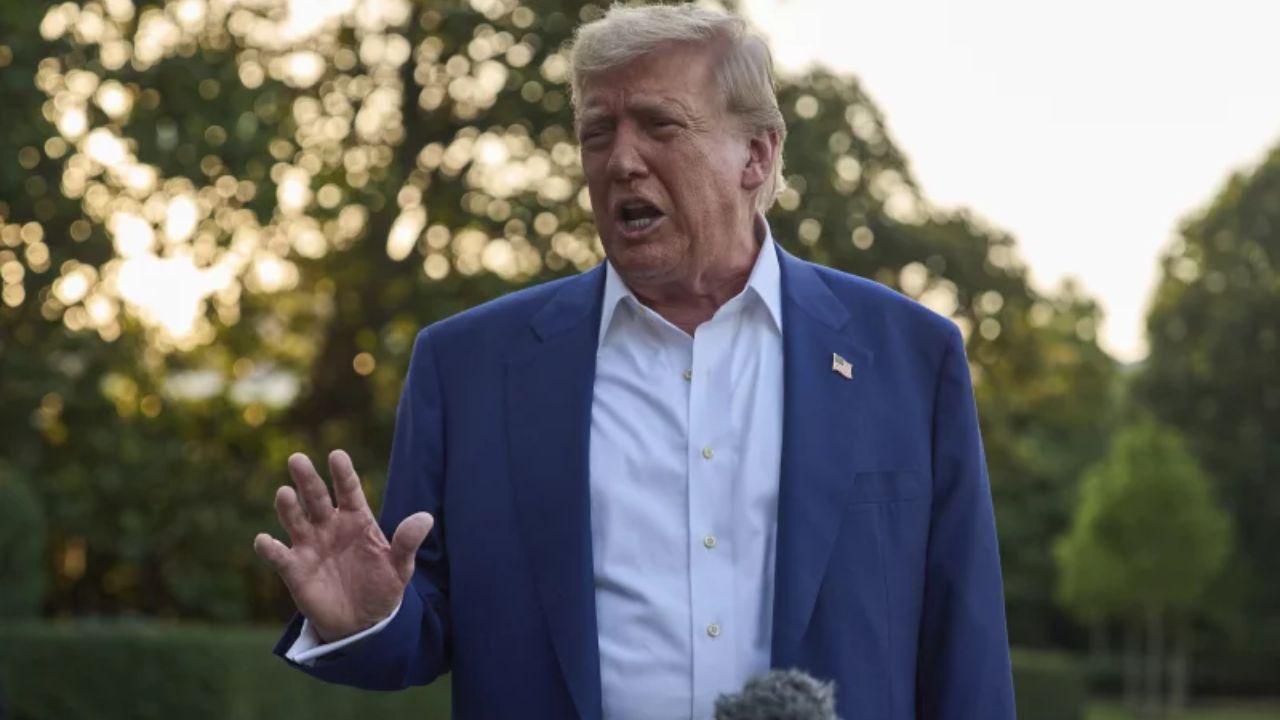
In just 48 hours, former U.S. President Donald Trump went from excited to angry to proud as he worked to stop the war between Israel and Iran. The ceasefire deal almost fell apart but eventually came together. Trump was very vocal during the process, openly criticising both countries. His team, along with help from Qatar, saw an opportunity after Iran responded mildly to earlier U.S. airstrikes on its nuclear facilities. At the same time, Israeli Prime Minister Benjamin Netanyahu had already carried out nearly two weeks of airstrikes and could claim that Iran’s nuclear power had been weakened.
Trump announced on social media that a long and destructive war had been avoided, saying it would never happen now. The ceasefire efforts began after the U.S. bombed several key Iranian nuclear sites. Trump called Netanyahu and told him that the U.S. would not carry out more attacks. He urged Israel to end the war and start peace talks with Iran, assuring Netanyahu that the threat had been dealt with. While Netanyahu didn’t fully agree, he understood Trump’s position.
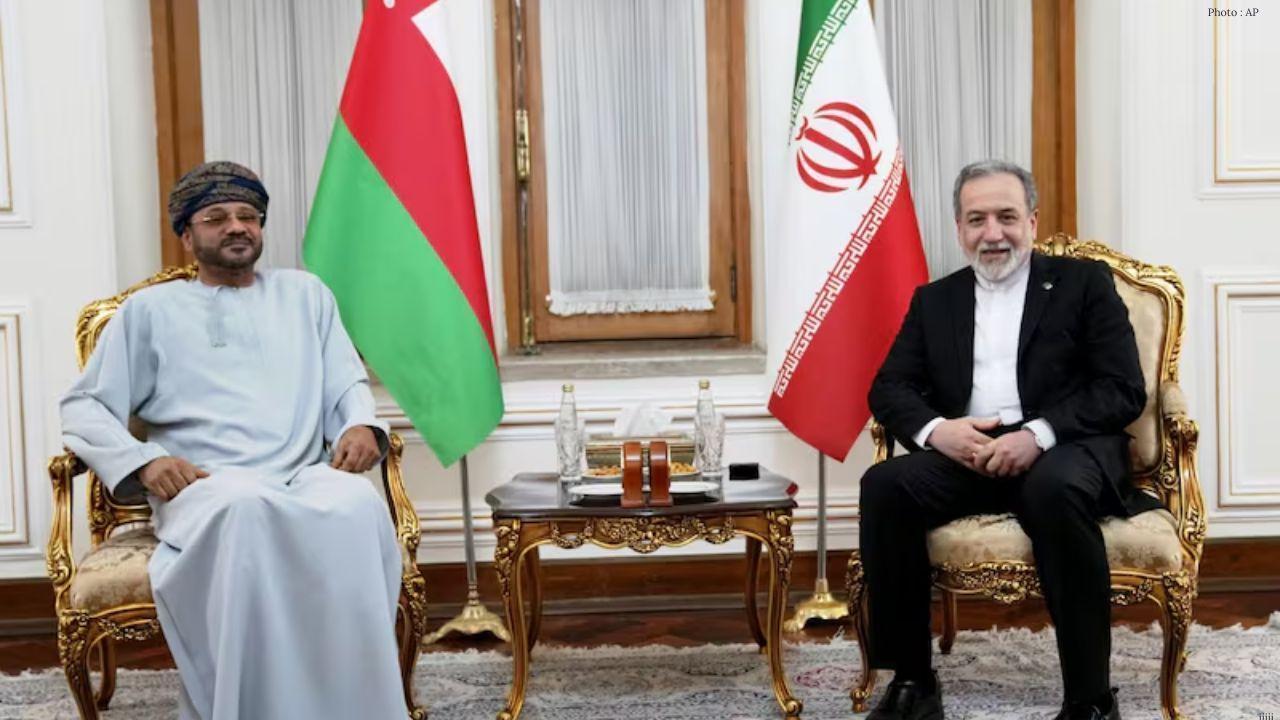
Meanwhile, Trump’s envoy Steve Witkoff contacted Iranian Foreign Minister Abbas Araghchi, encouraging Iran to return to the negotiating table. He made it clear that the U.S. could strike again but preferred peace. Less than two days later, Trump posted that a "Complete and Total CEASEFIRE" had been reached. However, this agreement only focused on stopping the fighting. There were no promises related to Iran’s nuclear programme or economic demands. Trump believed Iran’s nuclear development had already been seriously damaged.
Despite Trump’s public announcement, both Israel and Iran were quiet. Iran’s foreign minister said there was no official deal yet, but if Israel stopped bombing by 4 a.m. Tehran time, Iran would stop responding. At the same time, Iran’s Supreme Leader Ayatollah Khamenei said Iran would not surrender, leaving it unclear how involved he was in the ceasefire plans. Netanyahu also stayed silent for hours but later confirmed that Israel had agreed to the ceasefire, as long as Iran didn’t launch more attacks.
Qatar played an important role in supporting the peace effort. After Iran fired 14 missiles at a U.S. base in Qatar — 13 of which were shot down — Trump and Qatar’s leaders spoke by phone. Trump saw a chance to push for a ceasefire and asked Qatar to check Iran’s willingness to stop fighting. Soon after, Trump contacted Netanyahu again, and the Israeli leader agreed to stop attacks if Iran did the same.
Trump proudly posted the ceasefire news online, calling it a major achievement. But within hours, Iran launched more strikes after the deadline passed, and Israel carried out a powerful attack on Tehran, targeting government forces and military sites. Iranian media confirmed deaths and major damage in residential areas.
Trump was furious. Before flying to a summit in the Netherlands, he spoke to reporters and expressed strong disappointment with both sides — especially Israel. He posted a direct warning online, telling Israel to stop all bombings immediately and bring their pilots home.
While on the plane, Trump called Netanyahu again and firmly explained what needed to be done to keep the ceasefire in place. Netanyahu understood the pressure and paused any further attacks. Later, Trump confirmed that Israeli planes had turned back and declared that the ceasefire was officially in effect. He joked that the planes gave Iran a friendly wave on their way home.
Trump later said it was an honour to stop the war and claimed credit for disabling Iran’s nuclear programme. His envoy confirmed that further peace talks were already happening, and there was hope for a broader agreement soon.


 English