Post by : Raina
Al-Fahim
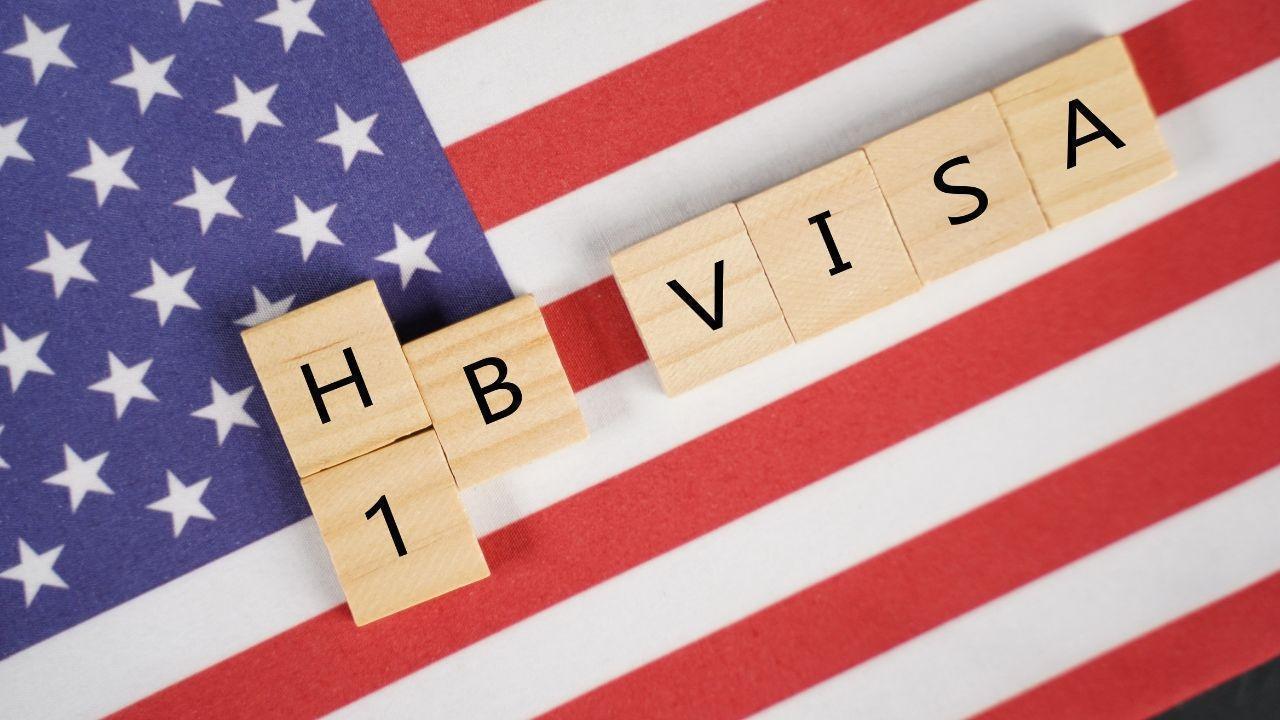
Washington, D.C. – The Trump administration has revealed a new strategy for the H-1B visa program, designed to temporarily bring skilled foreign workers to the United States. This initiative aims to train American workers in high-demand sectors such as semiconductors and precision manufacturing.
Treasury Secretary Scott Bessent shared insights during an interview with Fox News, referring to the policy as a “knowledge transfer” strategy targeting crucial manufacturing sectors that have been outsourcing in recent decades. “For the last 20-30 years, precision manufacturing jobs have been offshored... It’s not a quick fix to say we’ll suddenly have production back. We want to reestablish the semiconductor industry stateside, with significant facilities planned for Arizona,” Bessent clarified.
Under this new H-1B policy, foreign specialists are permitted to work in the U.S. for terms of three, five, or seven years, primarily to train American professionals. After their tenure, these foreign workers are anticipated to return home. “An American can’t occupy that position just yet,” Bessent remarked, addressing concerns regarding local job displacement.
Rebuilding Essential Industries
This visa policy transition aligns with President Trump’s overarching economic vision to repatriate essential industries and lessen dependency on imports. The approach anticipates that international experts will impart their knowledge in advanced manufacturing, technology, and semiconductors to facilitate long-term job creation and industrial expansion in the U.S.
Bessent emphasized that the initiative aims not solely to fill labor shortages but to restore domestic production capabilities: “For years, we haven't built ships or semiconductors here. Overseas experts coming in to educate American workers – that’s a notable success.”
Economic Initiatives and Tariff Reimbursement Strategies
In conjunction with the H-1B visa changes, the Trump administration is considering economic actions such as a potential $2,000 tariff rebate for families earning less than $100,000, emphasizing the importance of trade policies that yield real benefits for American families. Bessent defined this vision with the term “Parallel Prosperity,” aiming for growth that benefits both Wall Street and Main Street with a strong and liquid Treasury market.
The updated H-1B visa framework reflects the administration's commitment to strategic economic development, technological independence, and workforce enhancement, signaling a key departure from the historical reliance on foreign labor.


 English