Post by : Shakul
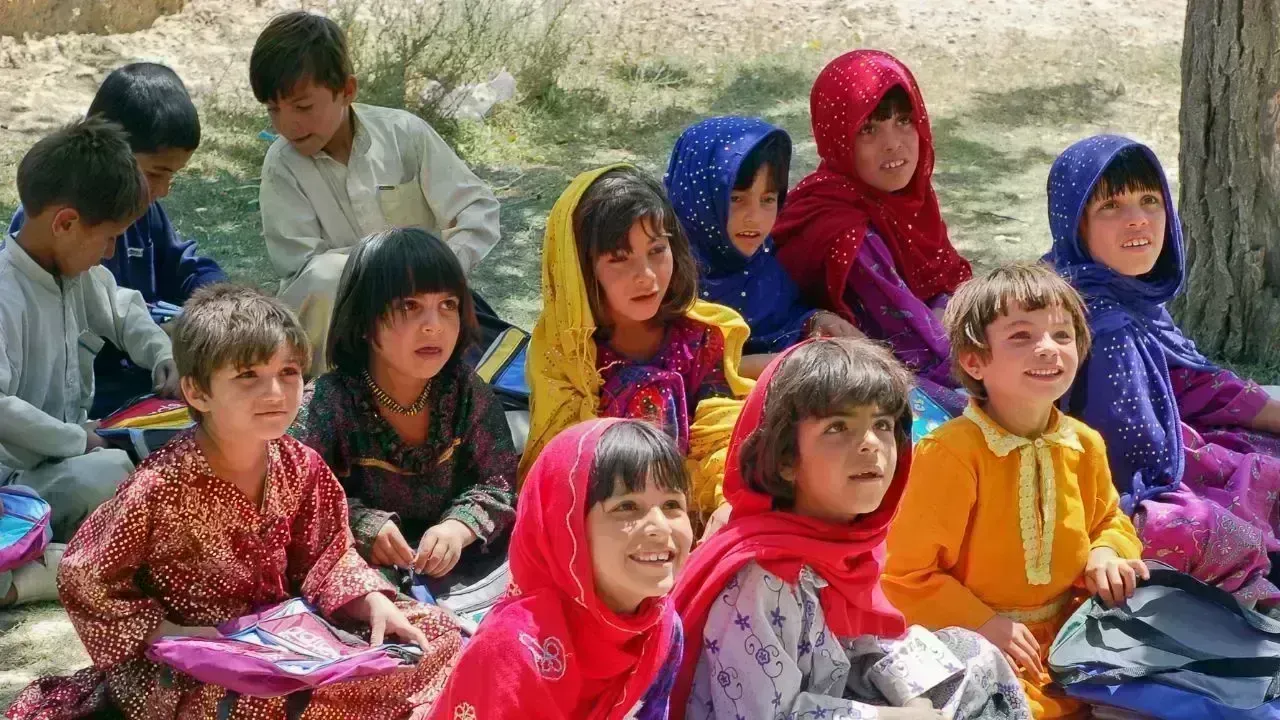
The United Nations has voiced significant apprehension regarding a new law instituted by Afghanistan’s Taliban government, which critics warn could sanction child marriage and further diminish the rights of women and girls throughout the nation.
This contentious decree, identified as Decree No. 18, was released by Afghanistan’s justice ministry and details regulations concerning marital separation and family disputes. Human rights advocates and UN representatives contend that several provisions within the law indirectly endorse child marriage by interpreting silence from girls who have reached puberty as consent for marriage.
The United Nations Assistance Mission in Afghanistan highlighted that the decree raises serious questions about free will and child protection. UN representatives indicate that the law signifies an escalating trend of restrictions aimed at Afghan women and girls since the Taliban regained control in 2021.
Furthermore, the decree specifies the conditions under which girls wed at a young age might seek to annul their marriage contracts upon reaching puberty. Nevertheless, critics assert that the judicial process is heavily biased, as men continue to hold more authority over divorce and separation matters.
Women pursuing separation reportedly encounter rigid judicial procedures and insufficient legal aid. The law stipulates that if a husband refuses a wife’s divorce request, his statement may be considered valid in various instances, complicating women’s ability to obtain legal safeguards.
In response, the Taliban administration dismissed the criticisms, asserting the decree aligns with Islamic tenets. Taliban spokesperson Zabihullah Mujahid claimed that Afghanistan already has prohibitions against forced marriage, and reported that authorities investigated thousands of such allegations in the past year.
This issue has rekindled global focus on women's conditions in Afghanistan. Since assuming control, the Taliban regime has enforced numerous constraints on women, including prohibitions on secondary and university education, various employment opportunities, and access to public recreational areas.
UN officials cautioned that persistent limitations on women's education and social participation could exacerbate poverty and inhibit Afghanistan's sustainable development. Human rights organizations continue to implore the global community to maintain pressure on the Taliban to uphold basic freedoms for women and children.
This latest decree has ignited renewed discussions worldwide on gender equality, child safeguarding, and the legal rights of individuals in Afghanistan under Taliban governance.


 English