Post by : Anis
Al-Rashid
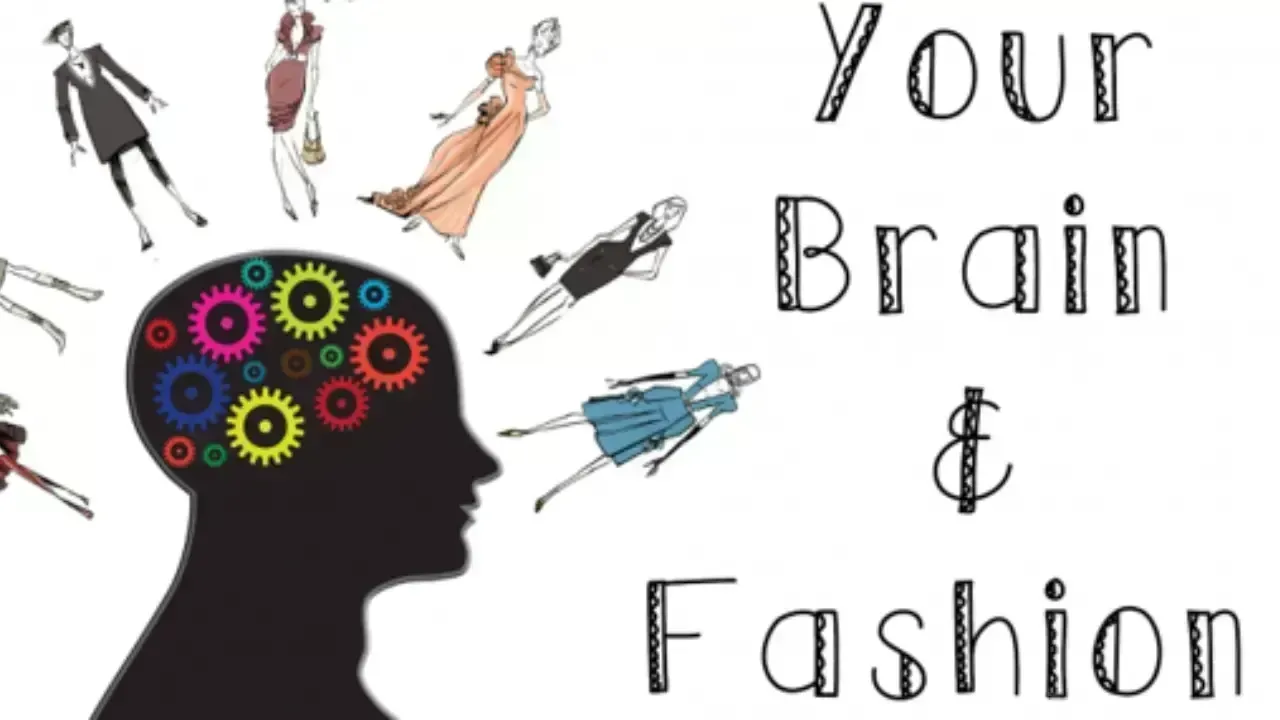
Often viewed as trivial, the realm of fashion delves deep into human psychology. While people may claim to dress for comfort or style, their choices frequently unveil profound emotional drivers. Our clothing reflects personal and social narratives, molded by subconscious desires.
The influence of fashion operates discreetly, guiding decisions made beneath the surface of conscious thought. To grasp the essence of fashion is to comprehend the psyche behind it, rather than merely focusing on the fabrics or trends.
A Silent Language of Fashion
Prior to the advent of verbal communication, humans expressed themselves through appearance. Clothing serves as an unspoken language, reflecting roles, status, and the quest for safety and inclusion.
Today, our clothing choices immediately inform others about traits like authority, creativity, or even threat, often forming quick and sometimes erroneous assumptions.
At its core, fashion grants individuals interpretive control—the power to shape perceptions even before words are said.
Beneath the Surface: Belonging and Stability
Fashion inherently addresses a vital human need: the desire to belong.
Human beings are acutely aware of their social inclusion. Clothing choices signal alignment with social groups, be it cultural, professional, or ideological. Dressing in line with prevailing trends minimizes social tension and fear of rejection.
This explains the rapid adoption of trends—not mere admiration for style, but a longing for reassurance and acceptance.
Balancing Individuality and Acceptance
Simultaneously, humans yearn for individuality. The push and pull between fitting in and standing out fuel much of fashion's intrigue.
People wish to project uniqueness while avoiding alienation. Fashion facilitates this expression, allowing for subtle deviations that convey personal identity without overwhelming exposure.
Fashion as Protective Shield
Our wardrobe selections often demonstrate aspirations rather than current states of emotion.
When faced with uncertainty or stress, individuals lean toward structured designs and darker palettes, creating a protective boundary around themselves.
Conversely, confidence invites more daring and fluid styles, showcasing a balance of emotional needs.
Status Communication through Attire
Status plays a crucial role in fashion psychology, even in societies that publicly reject hierarchical values.
People often avoid overt symbols of wealth, yet nuanced signals still convey social positioning. Quality and fit often speak volumes more than direct assertions.
Those feeling secure typically express status modestly, while those uncertain may seek overt validation.
Crafting Personal Identity
Identity is fluid and continuously reshaped. Fashion presents a tangible method to explore evolving self-concepts.
Life changes—new roles, aging, relocations—often drive shifts in personal style, helping align outward appearance with internal narratives.
The Psychological Value of Familiarity
Comfort derives from familiarity in fashion, both emotionally and physically.
Individuals often gravitate back to outfits linked to stable times in their lives, finding solace in the recognizable.
During chaotic periods, a retreat to conservative style is not due to disdain for novelty but is a protective mechanism.
The Exhaustion of Constant Trends
Trend fatigue is common, and understanding its psychology is essential.
The pressure to adapt continuously can breed anxiety, prompting a shift toward personal consistency instead of trend adherence.
Fashion as a Repository of Memory
Clothing is steeped in memories.
Certain pieces bear emotional weight, symbolizing relationships, triumphs, or personal milestones, making it challenging to part with them.
Seeking Authenticity
Contemporary consumers prioritize authenticity, gravitating towards styles that feel genuine.
Forced identities are increasingly rejected; coherence in clothing and behavior is sought for a true reflection of oneself.
Gender and Power Dynamics
Fashion has historically enforced strict gender norms, yet the current shift emphasizes autonomy.
Individuals seek liberation from arbitrary rules. Flexible styles reflect the desire for psychological and physical freedom.
The Aspirational Nature of Shopping
A common misunderstanding revolves around why people purchase clothes they may not wear.
Such purchases often represent anticipations of future selves, higher aspirations, or changes that feel out of reach.
Meaning Behind Choices
Fashion choices can feel limiting, governed by availability and social influence.
Rather than seeking unlimited options, individuals yearn for meaningful choices that resonate with their true selves.
The Vulnerability of Visibility
Visibility carries its own discomfort.
Clothing choices invite judgment, often leading people to opt for safer selections rather than their boldest desires.
The Enduring Relevance of Fashion
Fashion thrives as it meets deep-seated psychological needs.
As long as the quest for belonging, identity, and comfort exists, fashion will adapt, reflecting the changing dynamics of human psychology.
Final Note:
This article serves as an informational exploration and doesn’t offer professional guidance.


 English