Post by : Anis
Al-Rashid
A Warning for Digital Wallet Users
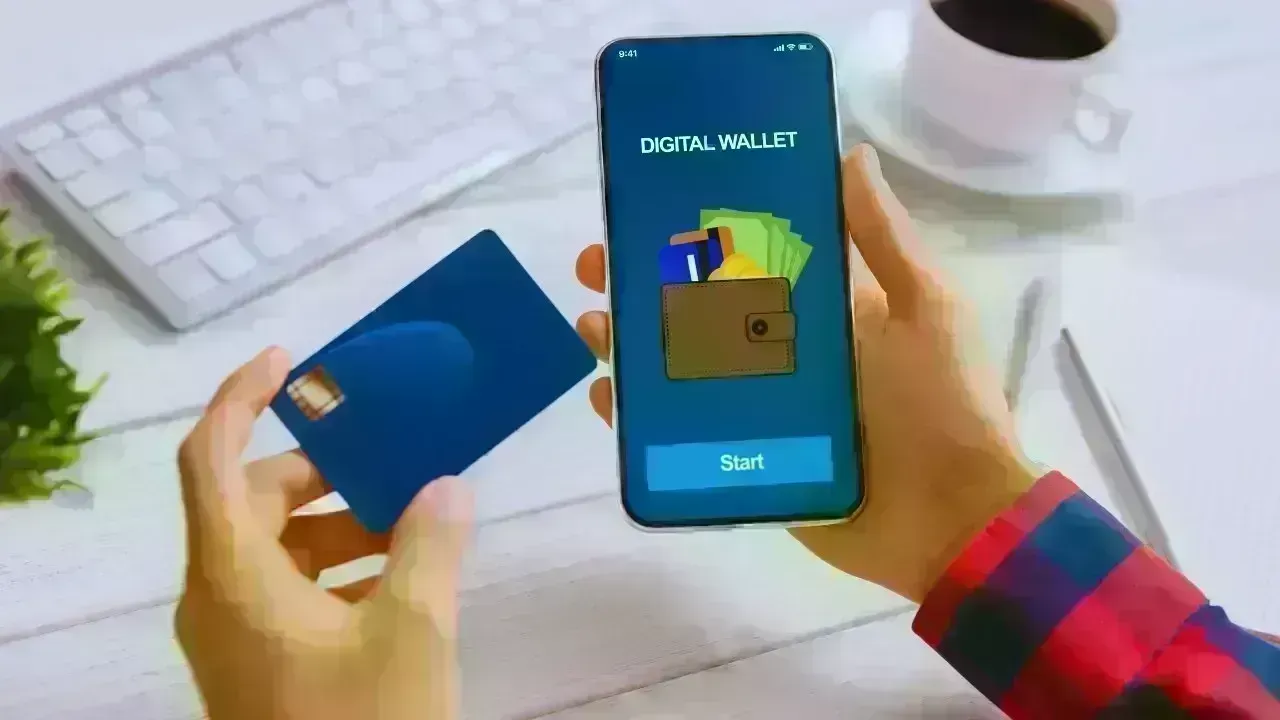
Digital wallets are rapidly becoming essential financial tools for many, facilitating a wide range of transactions, from online shopping to bill payments and travel purchases. Their integration with smartphones has made them particularly convenient and popular.
Yet, a series of recent financial breaches have brought to light vulnerabilities in these systems that users may not have considered before. Despite claims of high security, these breaches indicate that cybercriminals are exploiting new weaknesses across various platforms and regions.
While consumers often believe digital wallets to be safer than traditional cards, these incidents reveal a gap between the technology's evolution and the security measures in place. Users must understand these vulnerabilities to protect themselves better when relying on their smartphones for payments.
Emergence of New Vulnerabilities
The rise in vulnerabilities is linked to numerous overlapping factors. As digital wallet use escalates, security measures are struggling to keep pace.
1. Rise in Mobile Payments
The increasing reliance on mobile payments makes digital wallets attractive targets for attackers aiming for substantial gains.
2. Greater Integration with Other Services
Digital wallets have expanded beyond standalone payment tools to become interconnected with banking and identity applications, creating new vulnerabilities.
3. Evolving Tactics of Cybercriminals
Cyberattackers are shifting focus from traditional server-side exploits to device-centric vulnerabilities.
4. Rapid Deployment of New Features
Features like biometric logins and tap-to-pay functions are being introduced without adequate security testing.
5. Emergence of New Wallet Providers
Fresh competitors in the wallet market often lack robust security protocols or compliance with safety standards.
Collectively, these factors have led to vulnerabilities surfacing that were previously unnoticed.
Major Vulnerabilities Identified
Recent breach investigations have highlighted specific vulnerabilities that are now prevalent worldwide, affecting both user devices and wallet platforms.
Device Weaknesses Threaten Security
Digital wallets are heavily reliant on smartphone security; breaches often exploit device vulnerabilities.
Common issues include:
-
outdated operating systems
-
unpatched security vulnerabilities
-
malware-infected applications
-
third-party applications
-
inadequate lock-screen settings
-
weak biometric security
-
unsecured use of public Wi-Fi
Many recent breaches succeeded by exploiting vulnerabilities within smartphones rather than the wallets themselves.
Weak Authentication Methods Provide Easy Access
Several affected users exhibited poor security habits, such as:
Wallets relying solely on PINs are particularly vulnerable to theft. The best solutions incorporate multi-layered security, which many users compromise for convenience.
Increasing NFC Vulnerabilities
NFC technology, crucial for tap-to-pay, is also being exploited as shown by:
-
relay attacks in crowded spaces
-
use of malicious devices to amplify signals
-
interception attempts of NFC signatures
-
unauthorized payments triggered by users' devices
Such mechanisms are particularly vulnerable in high-traffic locations.
Rising Threats from QR Code Payments
QR payments offer convenience, yet increasing manipulation has led to:
-
malicious QR stickers placed on counters
-
phishing-style fake QR codes
-
links to fraudulent payment applications
-
auto-generated QR codes that contain malware
This trend underscores consumer trust in QR codes without verifying their authenticity.
Cloud-Synced Wallet Data: A Growing Target
Many digital wallets save settings and transaction data in the cloud, making them vulnerable to breaches that can:
-
expose transaction history
-
alter wallet settings
-
facilitate account replication on new devices
-
restore backup data including wallet information
Recent breaches have demonstrated that cloud account hacks directly contribute to wallet vulnerabilities.
Increase in Social Engineering Attacks
Cybercriminals are increasingly using methods like:
Once attackers gain control of a SIM or intercept messages, they can quickly reset wallets and steal funds.
Malware Targeting Wallets Becomes More Advanced
New malware variants identified in recent breaches exhibit capabilities such as:
-
recording screen activity
-
logging PIN keystrokes
-
intercepting notifications
-
creating fake wallet interfaces
-
extracting saved passwords
This new wave of malware is specifically designed for digital wallet exploits.
Challenges for Wallet Providers
Digital wallet companies face numerous challenges in combatting evolving threats:
1. Quick Feature Rollouts
Frequent feature launches often see security taking a backseat.
2. Complex Global Compliance
Providers must navigate various regulatory standards globally.
3. Diverse Ecosystems
Wallets must function across a multitude of devices and systems, complicating universal security.
4. User Convenience Overrides Security
Even optimal security formats falter when users disable measures for simplicity.
5. Lack of User Knowledge
Many users misunderstand the reliance on their device's security for wallet safety.
Protecting Your Digital Wallet
While no digital system is foolproof, users can mitigate risk through better practices.
Utilize Robust Biometric Security
Implementing facial recognition or fingerprint scanning significantly enhances wallet security.
Establish Stronger Device PINs
Four-digit PINs are easily bypassed. Opt for longer, unique PINs to bolster security.
Regularly Update Operating Systems
Most breaches occur on outdated systems that lack critical security updates.
Avoid Public Wi-Fi for Sensitive Transactions
Transactions over public networks are susceptible to interception.
Inspect QR Codes Before Use
Always ensure QR codes appear legitimate before scanning.
Deactivate Tap-to-Pay When Unused
Disabling NFC prevents unauthorized relay attacks.
Set Up Transaction Notifications
Immediate notifications enable prompt detection of unauthorized transactions.
Avoid Installing Unverified Apps
Third-party app stores can harbor harmful applications that compromise wallet security.
Delete Old Devices Connected to Wallets
Ensure removal of old smartphones or devices that may have access to your wallet.
Business Response Strategies
Companies that manage digital transactions need to bolster their security protocols.
Implement Device Security Measures
Ensure all company devices require robust security verification methods.
Regular Payment System Evaluations
Many breaches occur via integration weak points in payment systems.
Educate Staff on Social Engineering Threats
Training helps mitigate risks associated with scams targeting user behavior.
Analyze Transaction Trends for Irregularities
Automated analysis can aid in the early detection of fraudulent activities.
Conclusion
The recent breaches highlight the need for an evolution in both security and convenience within digital wallets. As payment systems become more ingrained in daily life, the threat landscape continues to evolve. Strengthening user awareness, device security, and authentication procedures is paramount for a secure digital financial environment.
Digital wallets serve as powerful tools, but their security hinges on user practices and the robustness of the systems managing them. Recognizing current vulnerabilities is essential for protecting future transactions.
Disclaimer:
This article presents an overview of security trends related to digital wallets. Individual risks may vary based on device and region; consultation with cybersecurity specialists is recommended for personalized security strategies.


 English