Post by : Shweta
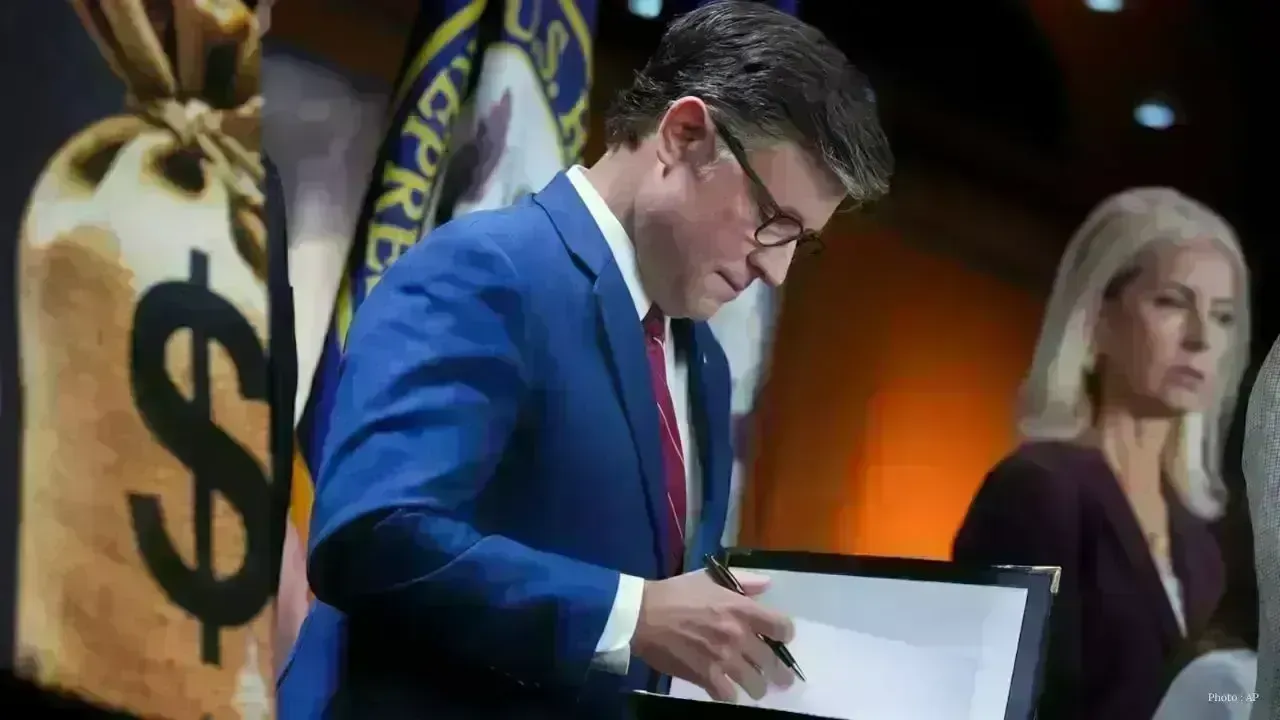
In a pivotal decision, the U.S. House of Representatives has passed a resolution aimed at curtailing further military actions against Iran, representing a notable political pushback against President Donald Trump's approach to the situation. The resolution was approved by a slim margin of 215-208, with four Republicans siding with Democrats to support this move. This vote underscores the increasing apprehension among lawmakers regarding the trajectory, costs, and fallout of the military involvement.
The resolution emerged as legislators sought to reaffirm Congress’s constitutional jurisdiction over wartime decisions and military engagements. Its proponents asserted that any enduring military commitments toward Iran ought to be sanctioned directly by Congress rather than being unilaterally dictated by the executive branch. A number of members discussed their fears that prolonged conflict could lead to greater financial burdens, further destabilize the Middle East, and exert additional stress on the U.S. economy.
This vote followed several months of escalating tensions between the U.S. and Iran. The Trump administration has defended its military maneuvers as essential for national security and protection against threats posed by Iran; however, detractors have suggested that ongoing military engagement risks escalating the conflict without a defined pathway to peace. Furthermore, the administration insists that its operations are geared toward thwarting Iran's military and nuclear advancements.
The lead-up to the vote was marked by intense debate among House leaders. Previous attempts to pass a similar resolution had faltered, making this the first successful House measure to constrain U.S. military action in Iran amidst the ongoing conflict. The result reflects a growing apprehension that crosses party lines about the ongoing war, even involving some within the President’s party.
Even though it passed in the House, the resolution's journey remains uncertain. It must navigate through the legislative process ahead, as the White House has already expressed resistance to moves that would limit presidential military prerogatives. Analysts highlight the vote as a significant gesture by Congress to reclaim its authority over war powers, though the practical influence of this measure is yet to be determined.
This news has ignited broader discussions in Washington regarding the balance of power between Congress and the President during conflicts. As dialogues persist in the Senate and within the administration, this vote is expected to stay at the forefront of U.S. politics and foreign policy debates in the weeks to come. Bipartisan discussions will likely continue on how America ought to engage with Iran and address future military operations abroad.


 English