Post by : Shweta
The Gulf region has erupted once more as tensions between the United States and Iran result in military strikes, raising grave concerns about the sustainability of an already delicate ceasefire. The latest outbursts are reigniting fears of a larger conflict and impeding diplomatic initiatives intended to foster stability throughout the Middle East.
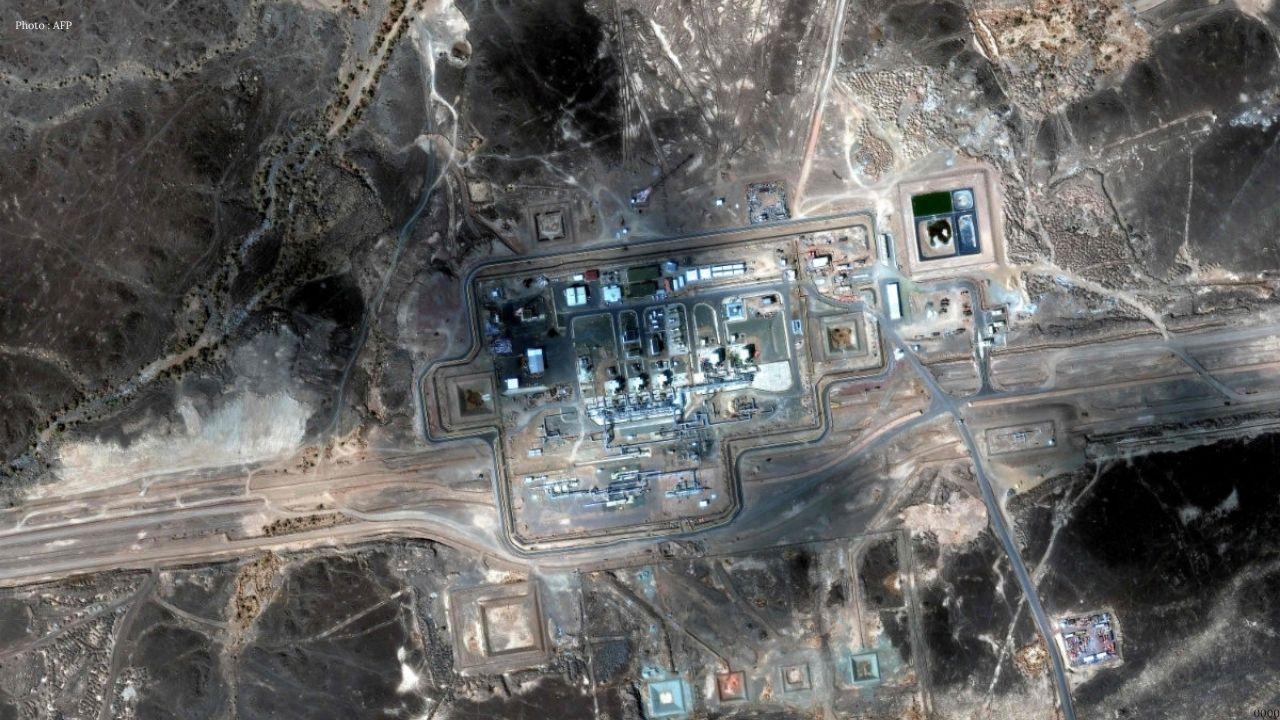
Reports indicate that recent hostilities included attacks and subsequent retaliations in strategically vital areas within the Gulf, posing a serious test to the beleaguered ceasefire that has faced ongoing strain due to persistent accusations and military actions from both factions.
As international efforts intensify to curtail an escalation in hostilities, these incidents come at a precarious moment. Previous diplomatic resolutions have succeeded partially in alleviating direct confrontations, yet recurring incidents reveal an ongoing climate of distrust and high tension between the two nations.
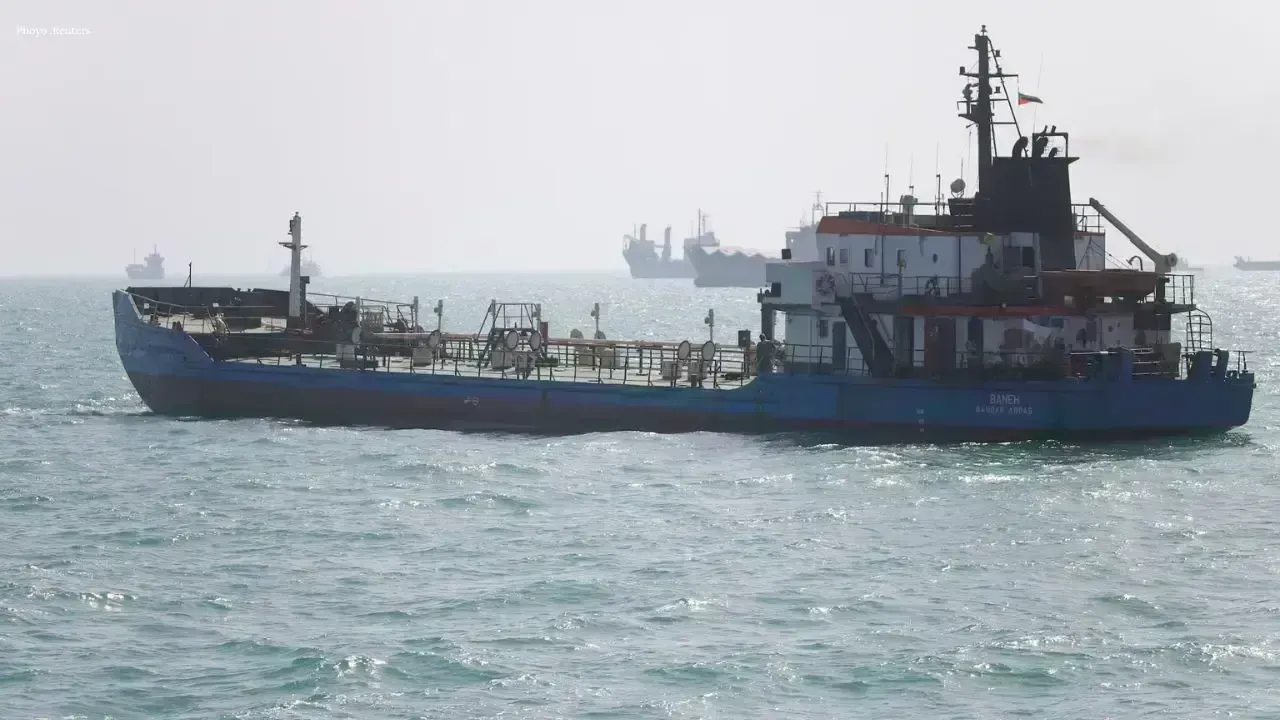
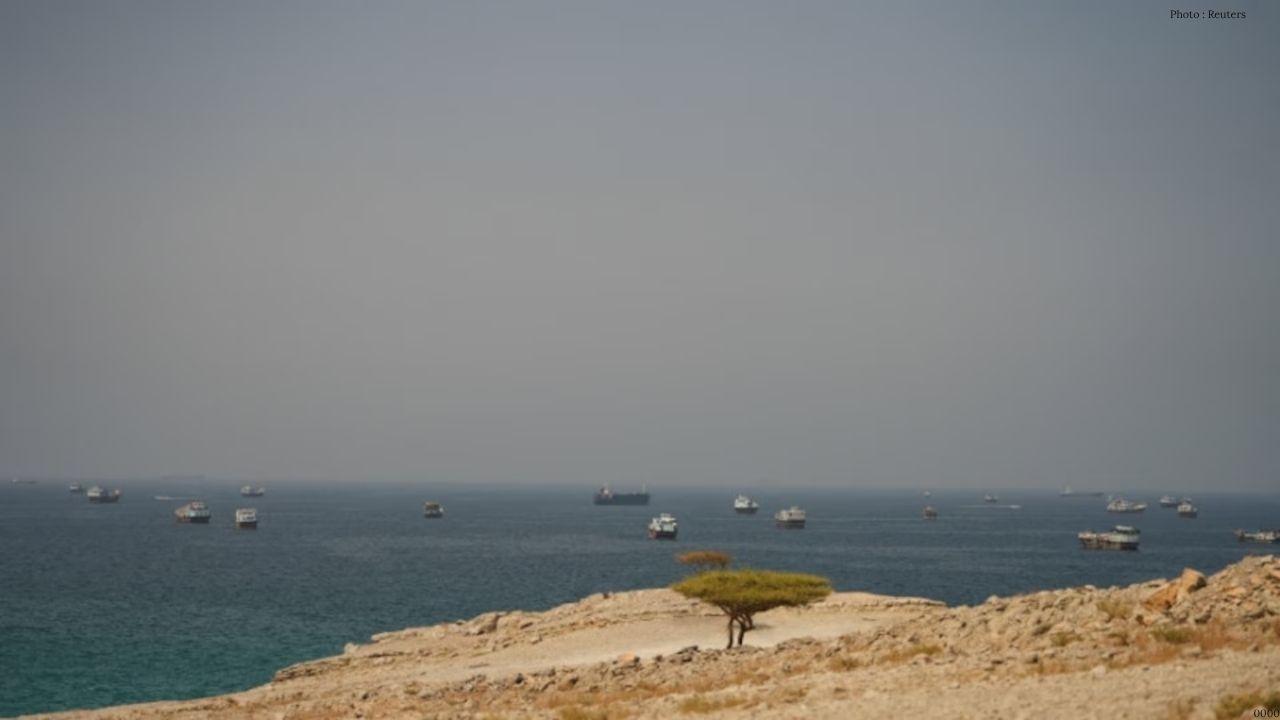
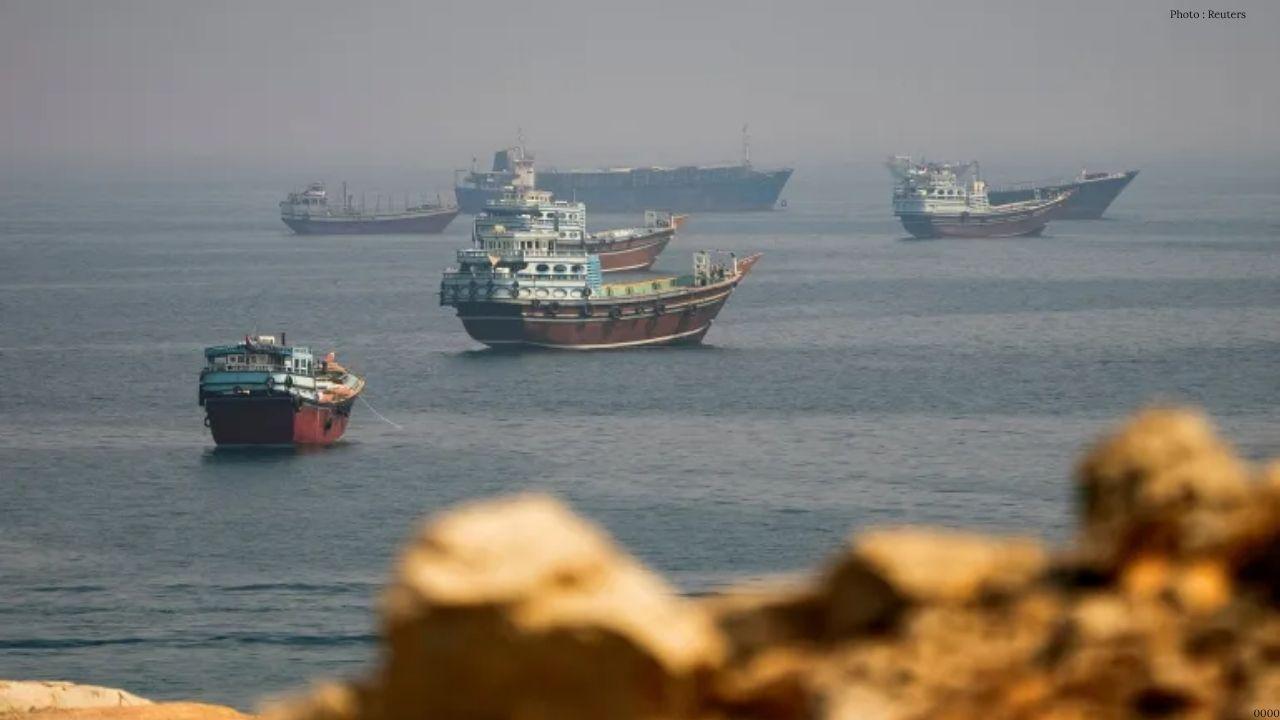
The Gulf, a crucial hub for global trade and energy, is under careful scrutiny by governments and financial sectors, as any surge in military maneuvers could disrupt shipping routes and escalate oil prices globally.
Each side is exchanging accusations of provocation amidst these clashes, and the recent strikes contribute to an already tumultuous backdrop fraught with challenges to long-term stability. Despite rising tensions, both nations remain in communication, with regional allies and international entities advocating for restraint.
Analysts caution that ongoing military skirmishes could heighten risks for miscalculations, potentially spiraling into a wider regional confrontation. Such developments could jeopardize not only security but also economic stability on a broader scale.
The strategically significant Strait of Hormuz, linking the Persian Gulf to the Gulf of Oman, remains a focal point due to its crucial role in global oil transport. Instabilities here have far-reaching implications for energy markets and investor confidence worldwide.
The situation is being monitored closely by neighboring Middle Eastern countries, urging both parties to explore peaceful resolutions and prevent actions detrimental to peace initiatives. Additionally, international bodies and major powers have sounded alarms over the resurgence of violence.
While both nations have not signaled a complete retreat from diplomatic discussions, the escalation of military actions highlights how tenuous the current ceasefire truly is. To stave off further conflict, continuous dialogue is deemed essential by experts.
These renewed hostilities occur against a backdrop of broader geopolitical strife in the Middle East, where active conflicts continuously shape regional dynamics. Consequently, developments involving the US and Iran carry implications that extend beyond bilateral relations.
Global financial markets and energy stakeholders will remain vigilant. Concerns linger that a prolongation of instability could disrupt energy supplies and international trade.
As the world watches closely, the focus is on whether diplomatic channels can successfully avert further violence and maintain the ceasefire structure. The forthcoming days will be pivotal in determining if the two nations can navigate away from a larger confrontation or if turmoil in the Gulf will escalate.
This latest exchange of military actions emphasizes the fragile equilibrium in the region, reinforcing the necessity for sustained diplomatic efforts. Observers worldwide are keenly attuned to the decisions of both nations as they proceed to avert further escalations.
Stay tuned for more significant updates and developments on this evolving situation.


 English