Post by : Mariam
Al-Faris
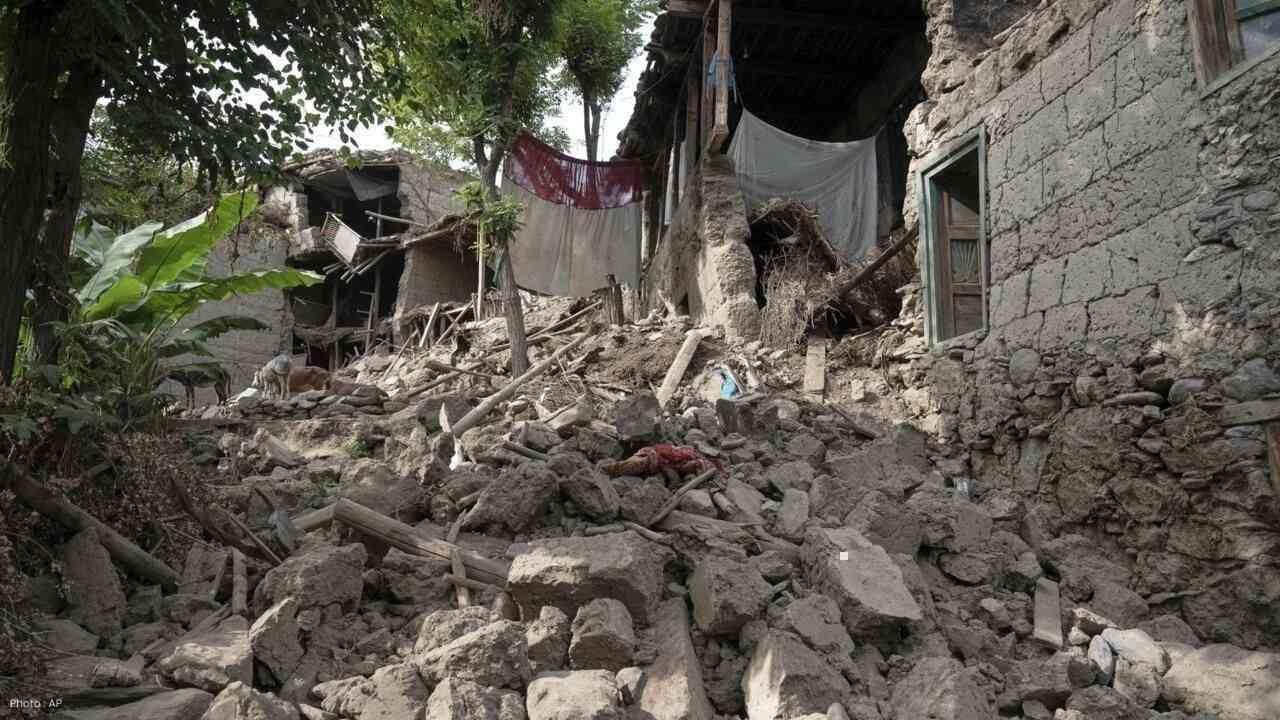
A strong 6.3 magnitude earthquake struck northern Afghanistan early Monday morning, causing widespread panic and destruction near one of the country’s largest cities, Mazar-i-Sharif. The tremor hit at around 1 a.m. local time, catching residents in their sleep and leading to chaos as homes and buildings shook violently in the darkness. According to early reports, at least 10 people have been confirmed dead, while around 260 others have been injured. Authorities have warned that the numbers could rise as rescue efforts continue.
The National Center for Seismology (NCS) reported that the earthquake’s epicentre was located between Mazar-i-Sharif and the nearby town of Khulm. The quake struck at a shallow depth of 23 kilometres, which made its effects more intense and destructive at the surface. Residents in surrounding provinces, including Samangan and Balkh, also felt the tremors. Some people described the shaking as “sudden and strong,” lasting several seconds and causing walls to crack and ceilings to collapse.
The United States Geological Survey (USGS) issued an alert shortly after the earthquake, warning that the event had the potential to be deadly and widespread. “Significant casualties are likely and the disaster is potentially widespread,” the USGS said in its report. It added that earthquakes of this magnitude in Afghanistan’s mountainous regions often cause high levels of destruction due to weak infrastructure and densely populated residential areas.
Officials from the Afghan health department in Samangan province, which lies near Mazar-i-Sharif, confirmed initial reports of deaths and injuries. Samim Joyanda, spokesperson for the provincial health department, told Reuters that 150 people had been injured and seven people were confirmed dead early Monday morning. However, these figures were still preliminary, with officials expecting more accurate data once rescue teams reach remote areas. Afghanistan’s National Disaster Management Authority said that assessments were underway and full details of casualties and damages would be shared later.
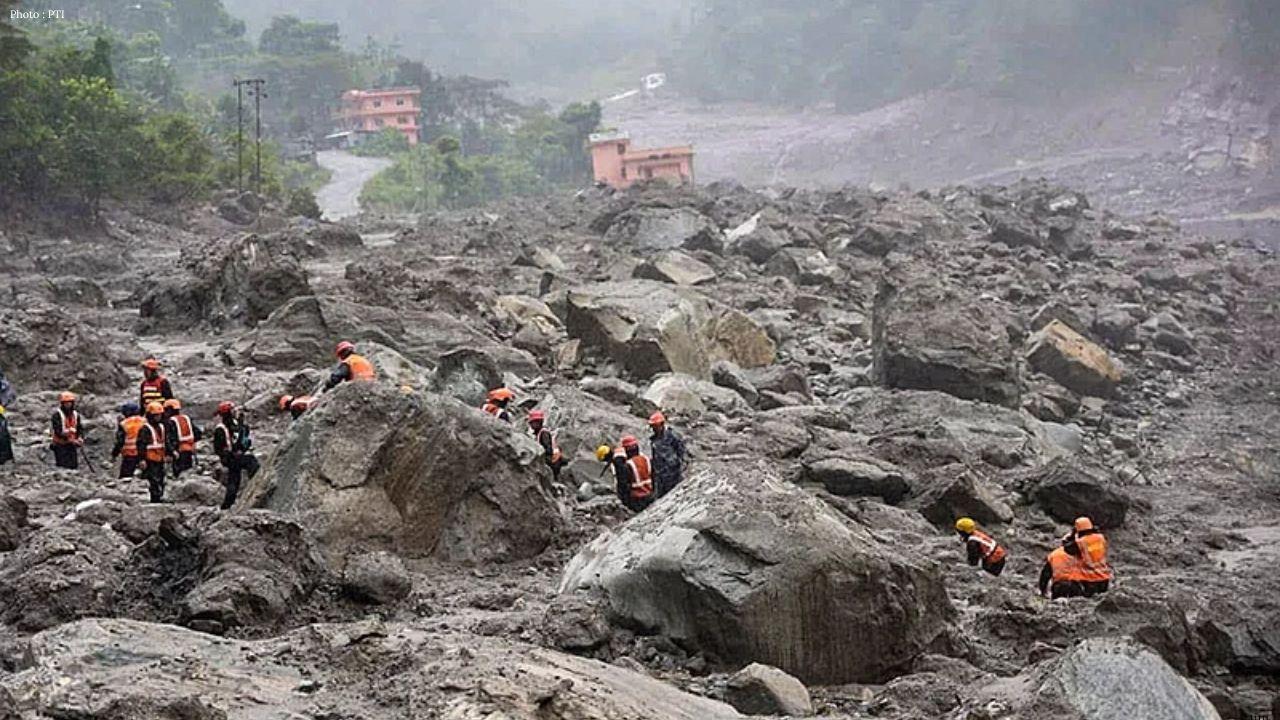
Videos circulating on social media showed rescuers working through piles of rubble to pull people trapped under collapsed buildings. In some footage, emergency responders were seen using flashlights to navigate through the wreckage as local residents joined in efforts to save their neighbours. Some videos appeared to show victims being carried to safety, though the authenticity of the footage could not be independently verified. The situation remains tense, with many families afraid to return to their homes for fear of aftershocks.
Afghanistan lies in a seismically active region where several tectonic plates meet, making it highly prone to earthquakes. The latest quake is one in a series of devastating tremors that have struck the country in recent years. In August 2025, a 6.0-magnitude earthquake killed more than 2,200 people and injured nearly 2,800 others in eastern Afghanistan’s mountainous provinces. That quake caused massive destruction and left thousands homeless.
In October 2023, western Afghanistan witnessed one of its deadliest disasters in recent memory. Four consecutive earthquakes, each measuring 6.3 in magnitude, struck near the city of Herat. The series of quakes and their aftershocks killed more than 1,000 people and injured at least 2,400. Entire villages were flattened, and thousands of homes were destroyed. The disaster forced many survivors to live in makeshift tents as winter approached.
Experts say Afghanistan’s vulnerability to earthquakes is made worse by poor building standards, weak infrastructure, and limited emergency response capacity. Many of the country’s rural homes are made of mud and stone, materials that crumble easily during strong tremors. Additionally, ongoing political and economic challenges have left the nation with limited resources for disaster preparedness. Humanitarian organizations, including the Red Crescent, have expressed concern that the affected communities may need urgent medical and relief assistance.
Rescue operations are currently underway, with authorities mobilizing local emergency teams to reach affected areas. Health officials are setting up temporary medical centres to treat the wounded, and appeals for international assistance are expected soon. Local hospitals in Mazar-i-Sharif are reportedly overwhelmed with injured residents seeking treatment for fractures, head injuries, and trauma-related conditions. The government has urged people to remain calm and stay outdoors until aftershocks subside.
This latest earthquake serves as a painful reminder of Afghanistan’s fragile situation, both geographically and structurally. The country continues to struggle with recurring natural disasters that test its resilience and ability to recover. As rescue teams work to locate survivors, the international community may once again step in to provide humanitarian aid and technical assistance. For now, the people of northern Afghanistan are left coping with fear, loss, and uncertainty, hoping for safety and relief in the days to come.


 English