Post by : Mariam
Al-Faris
Saudi Arabia is home to a rich and diverse cultural heritage. Its traditions include vibrant folk arts, music, and dances that have been passed down through generations. These cultural expressions reflect the Kingdom’s history, values, and regional diversity. Among these traditions, Al-Qazoou’i dance stands out as a significant part of Saudi Arabia’s cultural identity, especially in the Aseer Region.
The Origins of Al-Qazoou’i Dance
Al-Qazoou’i dance originally started as a war dance. It was performed without musical instruments, relying entirely on the strong rhythm created by voices and synchronized foot movements. Historically, it served as a way for warriors to build courage, coordination, and unity before heading into battle. Over time, it became an important cultural performance, celebrated for its energy and historical significance.
How the Dance is Performed
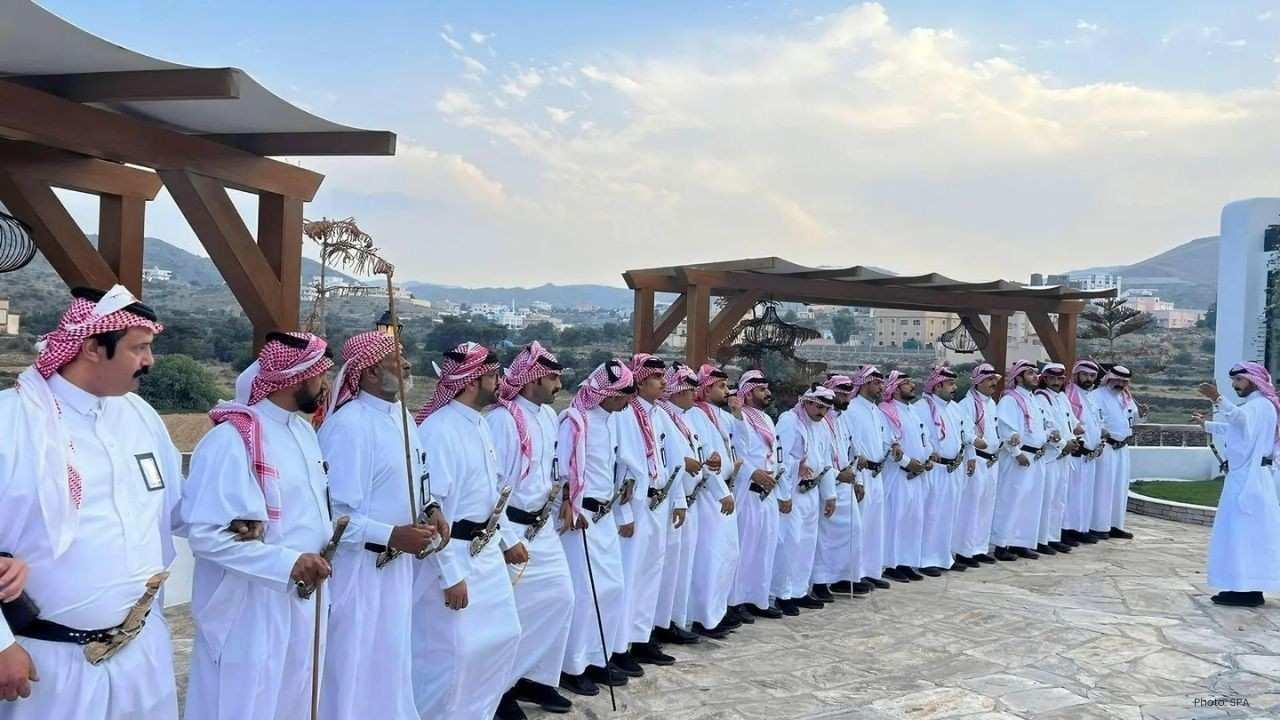
The Al-Qazoou’i performance involves a unique formation. Participants form two opposing rows, creating a sense of balance and symmetry. At the center of these rows stand one or more poets, who guide the dance with spoken verses. The poet’s role is essential, as the rhythm and flow of the dance depend on the interaction between the poets and the performers.
The Role of Poets in the Dance
During the performance, the poet begins by reciting the opening lines of a verse to one row of dancers. Then, the poet quickly moves to the opposite row and repeats the same lines. Following this, all participants unite, chanting or reciting the lines together in a powerful, synchronized rhythm. This dynamic interaction adds a dramatic and energetic quality to the dance, making it highly engaging for both performers and spectators.
Rhythm and Movement in Al-Qazoou’i
The strength of Al-Qazoou’i lies in its rhythmic coordination. The dancers’ footwork, combined with the call-and-response verses of the poet, creates a powerful and lively atmosphere. Unlike other dances that rely on musical instruments, Al-Qazoou’i depends entirely on the human voice and body movements. This gives the performance a raw and authentic energy that captivates audiences and reflects the spirit of the region.
Symbol of Unity and Collective Strength
While Al-Qazoou’i began as a war dance, it has evolved into a cultural symbol of unity. The dance represents collective coordination, heroism, and pride. Each participant contributes to the strength of the performance, showing how individuals can work together to create something larger than themselves. Today, Al-Qazoou’i is celebrated not only as a folk art but also as a symbol of community and shared identity in the Aseer Region.
Importance to Aseer’s Cultural Identity
Al-Qazoou’i is considered a cornerstone of Aseer’s cultural identity. The dance is not just entertainment; it carries historical and social significance. It tells stories of courage, resilience, and pride that are deeply embedded in the people of the region. By preserving and performing this dance, communities honor their heritage and pass on cultural knowledge to future generations.
Celebrating Saudi Arabia’s Heritage
Performances of Al-Qazoou’i dance are often featured at cultural festivals, national events, and heritage celebrations across Saudi Arabia. These events attract locals and visitors alike, allowing people to experience the country’s rich traditions firsthand. By showcasing Al-Qazoou’i, Saudi Arabia emphasizes the value it places on its cultural roots, traditional arts, and the preservation of folk heritage.
Education and Cultural Awareness
Efforts are also being made to educate younger generations about Al-Qazoou’i dance. Schools, cultural centers, and local communities are teaching the history, techniques, and significance of the dance to children and youth. This ensures that the tradition continues and that the knowledge and skills associated with the performance are not lost over time. Teaching Al-Qazoou’i also strengthens national pride and cultural awareness among the younger population.
A Testament to Creativity and Artistry
Al-Qazoou’i is more than a historical performance; it is a testament to human creativity and artistry. The careful coordination between dancers, poets, and rhythmic patterns demonstrates skill, discipline, and cultural ingenuity. Each performance is unique, as poets and dancers bring their own style and energy, making every rendition of the dance a special celebration of art and tradition.
Promoting Cultural Tourism
The popularity of Al-Qazoou’i also contributes to cultural tourism in Saudi Arabia. Visitors from different regions and countries come to see traditional performances, learn about local customs, and engage with Saudi heritage. Cultural tourism helps boost the local economy while promoting a positive image of Saudi Arabia as a country with a deep appreciation for its history and traditions.
Preservation and Future of Al-Qazoou’i
Maintaining the tradition of Al-Qazoou’i is important for preserving Saudi Arabia’s cultural identity. Efforts include recording performances, documenting the history of the dance, and supporting cultural organizations that organize shows and workshops. By preserving this heritage, Saudi Arabia ensures that future generations can experience the same cultural pride and appreciation for traditional arts.
Al-Qazoou’i as a Cultural Bridge
Al-Qazoou’i dance not only strengthens the identity of the Aseer Region but also serves as a cultural bridge between generations and communities. Its performances bring people together, fostering a sense of belonging and shared history. The dance encourages dialogue, appreciation, and understanding of Saudi traditions, both within the country and internationally.
A Living Heritage
Al-Qazoou’i dance is a living symbol of Saudi Arabia’s rich cultural heritage. From its origins as a war dance to its modern role as a celebrated folk art, it embodies heroism, unity, and artistic expression. By keeping this tradition alive, the people of Aseer and the Kingdom as a whole preserve a valuable piece of history, while sharing the beauty of Saudi culture with the world.


 English