Post by : Sami
Al-Rahmani
Beat the Heat: Essential Summer Hydration Tips for Better Health
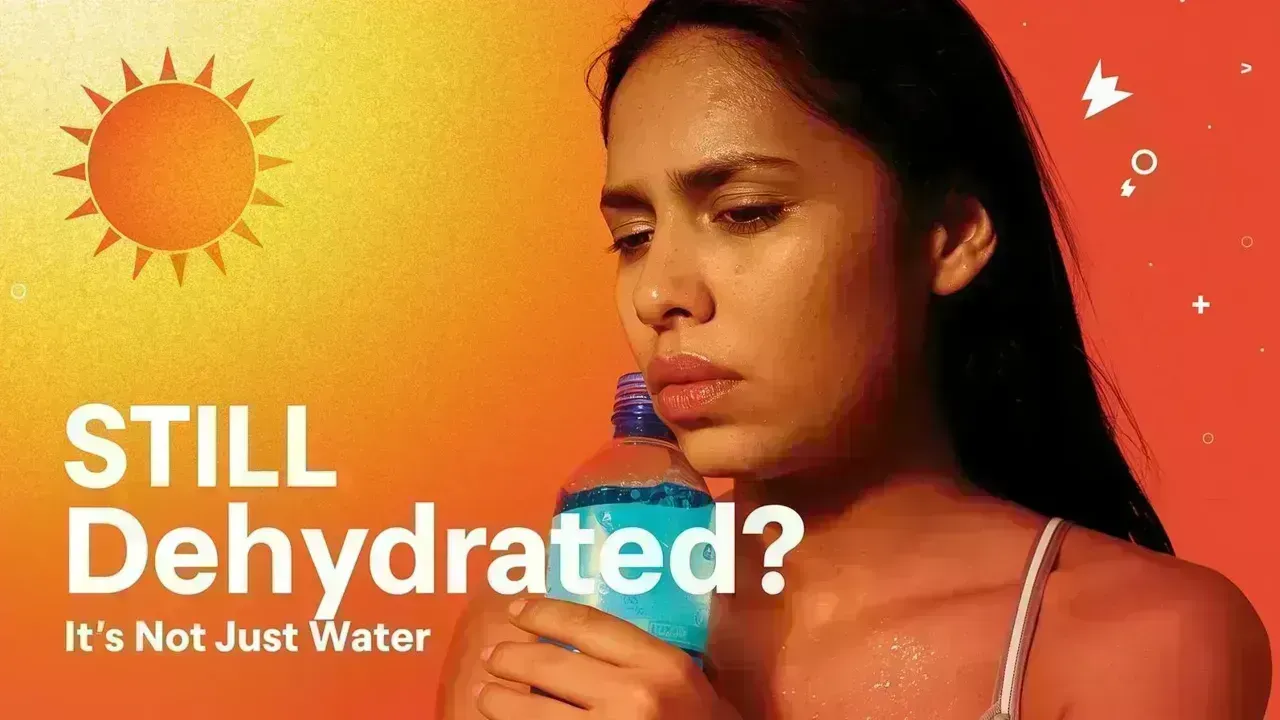
Struggling with Dehydration Despite Drinking Water?
It can be perplexing and annoying—you're diligent about drinking enough water, yet you still notice signs of dehydration such as fatigue, dry mouth, or dizziness. Many assume that simply upping their water intake will suffice, but true hydration involves more than just water, especially in the sweltering summer heat. Your body requires a fine balance of fluids and crucial minerals, and if this balance is compromised, just drinking plain water might not solve the issue.
In hot weather, increased sweating is your body's way of regulating temperature. This cooling mechanism is essential, but it also results in the loss of electrolytes like sodium, potassium, and magnesium—minerals important for fluid retention and bodily functions. If you’re replacing only the water without these crucial electrolytes, your body may struggle to effectively use the fluids consumed, causing continued feelings of dehydration.
Understanding Hydration: More Than Just Water Intake
Hydration is often misinterpreted as merely drinking more fluids. In truth, it has to do with how effectively your body can utilize these fluids. Water moves through your system with the aid of electrolytes, which are vital for maintaining fluid balance. When there aren’t sufficient electrolytes, the water you consume may quickly pass through without properly hydrating your cells.
Your body resembles a system that necessitates both fuel and connectors. While water serves as the fuel, electrolytes function as the connectors that distribute this fuel correctly. Missing these connectors leads to inefficiencies. Therefore, individuals who sweat excessively—whether from heat, exercise, or humidity—often require more than just plain water for adequate hydration.
The Critical Role of Electrolytes in Summer Hydration
Electrolytes are minerals with an electric charge that play a significant role in fluid balance, muscle functions, and nerve signaling. In summer, losing these minerals through sweat can disrupt your body’s functioning, leading to symptoms like weakness, cramps, fatigue, and dizziness.
Sodium aids in fluid retention and maintaining blood pressure, while potassium is vital for muscle health and cramp prevention. Magnesium is essential for energy production and reducing fatigue. A drop in these levels affects your body’s efficiency, leading to incomplete hydration.
Those relying solely on water during extremely hot conditions often feel drained. Topping up on electrolytes through natural sources such as coconut water, lemon water with a pinch of salt, or well-balanced meals makes a significant difference in how your body copes with heat.
The Dangers of Overhydration
While dehydration is a valid concern, drinking too much water without a balance of electrolytes can also pose problems. Overhydration can dilute sodium levels, causing your cells to struggle with balance. This may induce symptoms resembling dehydration, such as headaches, confusion, and fatigue.
This doesn’t mean you should cut back on water—rather, you should adopt a smarter drinking strategy. Your body thrives on a balanced regimen, where fluid intake is paired with appropriate nutrition and mineral consumption.
Connecting Diet to Hydration Levels
Your dietary choices substantially impact your hydration. In summer, heavy, greasy, or processed foods can elevate your internal temperature and slow down digestion, disrupting how your body handles fluids. Conversely, foods rich in water content naturally aid hydration.
Fruits like watermelon, oranges, and muskmelons, alongside veggies such as cucumber and lettuce, provide both hydration and essential nutrients. Options like yogurt and buttermilk can also hydrate well, benefiting digestion and gut health.
Integrating these foods into your diet can enhance your moisture levels more efficiently than relying solely on water.
The Impact of Caffeine and Sugary Drinks on Hydration
Many opt for tea, coffee, or sugary drinks, unaware of their hydration impact. Caffeine can act as a mild diuretic, promoting fluid loss if consumed excessively. Likewise, sugary drinks offer temporary energy but do not effectively hydrate and can lead to fatigue later on.
Swapping some of these options for healthier alternatives like fresh juices, herbal teas, or simple electrolyte beverages can help maintain better fluid balance.
The Role of Your Daily Routine in Summer
Hydration extends beyond what you consume; it also involves lifestyle habits. Spending prolonged periods in direct sunlight, engaging in strenuous activities during peak heat, or neglecting to take breaks can significantly increase fluid loss.
Adjustments in your daily routine can yield remarkable benefits. Scheduling outdoor events during cooler periods, donning breathable attire, and regularly seeking shade or ventilation can bolster your body’s hydration retention.
Recognizing Signs of Inadequate Hydration
Your body often gives subtle clues if hydration is lacking, such as unusual fatigue, dry lips or skin, persistent headaches, or dark urine. Ignoring these signs can lead to severe issues like heat exhaustion. Staying attuned to these early signals allows you to act before the situation escalates.
Simple Yet Effective Tips for Summer Hydration
Maintaining hydration in summer doesn’t necessitate complicated strategies but demands consistency. Regular water intake, including electrolyte-rich foods, and limiting exposure to heat form the core principles. The key lies in balance—both fluids and nutrients are essential for optimal bodily function.
Adopting small habits—starting your day with water, carrying a bottle, adding fruits to meals, and avoiding prolonged periods without fluids—can significantly enhance your hydration over time.
How Hydration Influences Energy and Focus
When well-hydrated, your body operates more efficiently, ensuring proper blood circulation, adequate brain oxygen supply, and improved muscle performance. This leads to higher energy, better focus, and overall enhanced well-being.
Conversely, even mild dehydration can hamper concentration, slow cognition, and induce sluggishness. Thus, hydration is crucial not just for comfort, but for sustained daily performance.
In Conclusion: Focus on Smart Hydration
If you find yourself feeling parched even after drinking water, your body signals that something's amiss. More often than not, it’s not about consuming more water, but rather understanding the essence of effective hydration.
By recognizing the role of electrolytes, refining your dietary choices, and adjusting your habits, you can better support your body during extreme heat. True hydration is a multifaceted approach involving water, nutrients, and awareness.
Once you shift your focus from mere water intake to complete hydration, you’ll likely experience marked improvements in your energy, comfort, and health during the sizzling summer months.
Disclaimer
This article serves informational purposes and should not replace medical guidance. If you experience ongoing dehydration symptoms or heat-related complications, consult a healthcare provider.


 English