Post by : Sami
Al-Rahmani
Surviving Extreme Heat: Keeping Your Energy Up
Understanding Heat-Induced Weakness
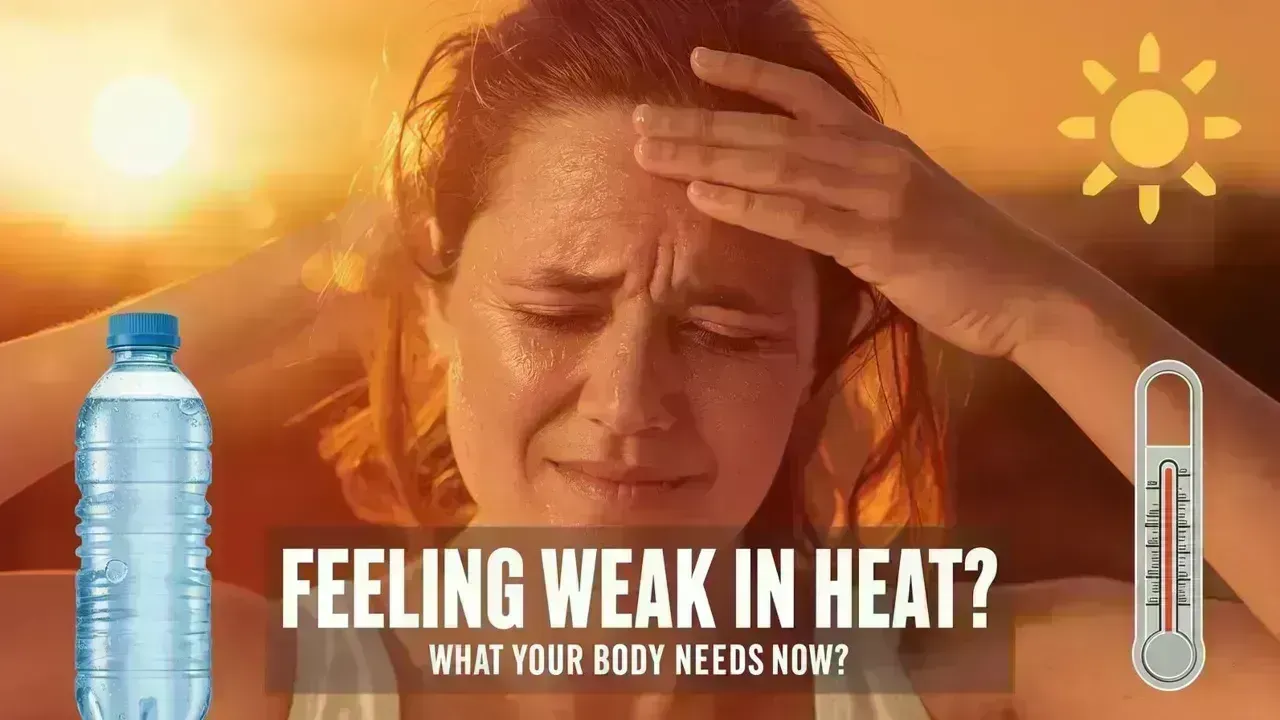
As temperatures soar, your body's need to maintain balance intensifies. This term, known as thermoregulation, involves ramping up blood flow to the skin and sweating. While these processes cool you down, they also lead to a loss of vital fluids and electrolytes. Consequently, feelings of fatigue or dizziness can arise even without rigorous physical activity, as the body faces extra stress in its struggle to keep cool.
The Impact of Dehydration on Your Strength
A leading factor behind weakness during heat waves is dehydration. Sweating results in the loss of both water and critical minerals like sodium and potassium. Even slight dehydration can slink away your energy, hinder focus, and lead to headaches. Unfortunately, thirst isn't always a timely warning; by the time you feel thirsty, dehydration may have set in. Thus, drinking fluid regularly is crucial in extreme heat, regardless of your immediate thirst.
Beyond Water: Your Body's Additional Needs
Though hydration is key, solely drinking water may not suffice during extreme heat. Your body also requires electrolytes for muscle function, nerve performance, and fluid balance. When these minerals drop, you might face fatigue or cramps. Natural options such as coconut water, lemon water with a pinch of salt, or easy homemade beverages can help restore this balance. The aim is effective hydration, not just increased fluid intake.
Nutrition's Significance in Hot Weather
The foods you choose when the mercury rises have a significant impact on how you feel. Heavy or spicy meals can exacerbate internal heat and slow digestion, leading to discomfort. In contrast, lighter, water-rich options—like fruits and vegetables—are easier to digest and support hydration. Foods such as watermelon, cucumber, yogurt, and seasonal fruits cool the body while delivering essential nutrients for sustained energy.
Effects of Heat on Circulation and Blood Pressure
Intense heat can influence both blood pressure and circulation. As the body cools down, blood vessels widen, which may sometimes result in lower blood pressure. This could trigger dizziness or faintness, especially when standing quickly. Individuals with pre-existing blood pressure issues may be more sensitive to these effects. Proper hydration and avoiding drastic heat exposure can mitigate these risks.
Prioritizing Rest During Hot Conditions
Excessive heat demands additional rest from your body. Continuous, unbroken exposure can rapidly lead to fatigue. Hence, scheduling your activities smartly is essential. It’s wise to avoid going out during peak sun hours and tackle important tasks early in the morning or late in the evening. Allowing enough recovery time enables better energy management and prevents overheating.
Clothing and Environment: Small Adjustments Matter
Your choice of attire and surroundings greatly affects how your body adjusts to the heat. Wearing tight or dark clothing can trap heat and hinder cooling. Conversely, light, loose, and breathable fabrics facilitate airflow and keep your body cooler. Additionally, staying in well-ventilated or shaded spaces helps regulate body temperature effectively. Simple adjustments can profoundly influence your comfort levels throughout the day.
Recognizing Alarming Symptoms
While some fatigue is typical in extreme heat, certain warning signs should not be overlooked. Symptoms like persistent dizziness, nausea, rapid heartbeat, confusion, or excessive sweating may indicate heat exhaustion or even heatstroke. These require urgent attention; neglecting them poses serious health risks. Being attuned to your body and reacting promptly is critical during harsh weather conditions.
Your Body's Essential Needs in Extreme Heat
In essence, to stay resilient in extreme heat, your body demands three key elements: hydration, nutrition, and ample rest. Keeping these in check allows for better handling of temperature shifts. It’s about adopting consistent, smart habits instead of complicating the process.
Pay Attention to the Heat
Extreme temperatures are not merely uncomfortable; they can severely impact your health and energy. Feeling weak signals that something needs attention. Rather than neglecting it, understanding the underlying issues and responding effectively can greatly enhance your well-being. Staying hydrated, consuming lighter meals, ensuring sufficient rest, and minimizing unnecessary sun exposure are straightforward yet powerful measures to safeguard your health.
Disclaimer
This article is intended for informational purposes and does not constitute medical advice. Should symptoms persist or worsen, please seek professional medical assistance.


 English