Post by : Bianca
Haleem
Tensions along the Ukraine front rose significantly on Monday, following Belarusian opposition leader Sviatlana Tsikhanouskaya's visit to Kyiv, coinciding with Russia's most severe missile offensive against the Ukrainian capital this year.
Global leaders remain vigilant regarding Belarus's involvement in Russia's ongoing invasion of Ukraine, with fears mounting that Belarus could once again function as a launchpad for northern assaults, echoing the conflict's beginnings in February 2022.
Last week, Russia and Belarus conducted joint nuclear military drills, heightening unease in the area. President Volodymyr Zelenskyy of Ukraine has cautioned that Belarus may serve as a staging ground for renewed Russian military initiatives against Ukraine.
The Russian government has also issued a warning that more “systemic strikes” on Kyiv may be imminent. The Foreign Ministry of Russia has advised foreign nationals and embassy personnel to evacuate the city while avoiding military and governmental locations.
Russia's advisory followed a Ukrainian drone strike on a college dormitory in Starobilsk last Friday. In response, Ukraine has asserted that its targeted operations aimed solely at military-related facilities connected to Russia.
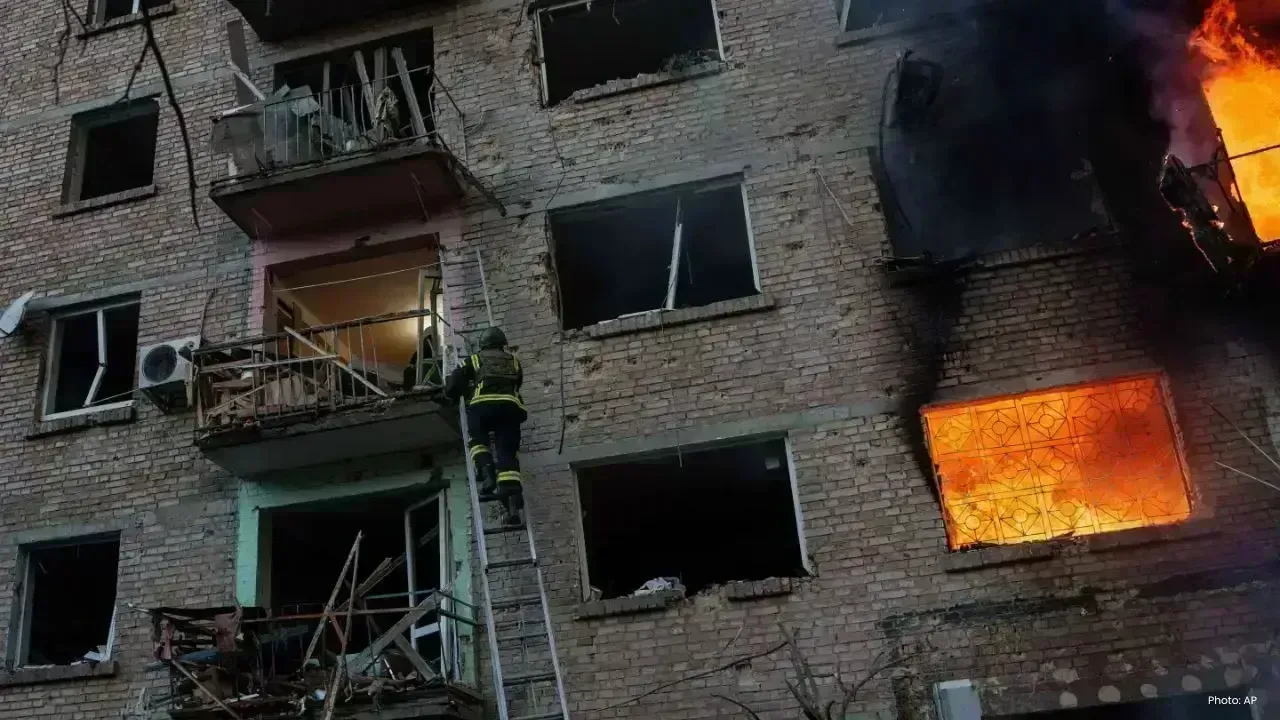
Heavy combat persists along the 1,250-kilometer frontline in eastern and southern Ukraine. European Union foreign policy chief Kaja Kallas condemned Russia for targeting civilian infrastructure after several buildings in Kyiv were damaged during the recent missile onslaught.
Compounding challenges for Ukraine is an increasing scarcity of U.S.-made air defense missiles, with reports indicating that supply constraints due to global military demands hamper Ukraine's ability to intercept Russian strikes.
In a noteworthy diplomatic interaction, French President Emmanuel Macron held a telephone discussion with Belarusian President Alexander Lukashenko on Sunday, marking their first communication since Russia initiated its invasion of Ukraine in 2022.
French representatives stated that Macron cautioned Lukashenko about the potential repercussions of deepening ties with Russia in the context of the conflict. While Belarusian officials confirmed the discussion, they framed it as focused on regional matters and Belarus's European relationships.
During her discussions in Kyiv, Tsikhanouskaya condemned Lukashenko's administration, alleging it boosts Russian hostility and fosters regional instability through threats and “nuclear intimidation.”
Following her meetings with Ukrainian officials, she acknowledged that Ukraine's struggle is not just for its own sovereignty but also for the future of Belarus and its neighboring nations.
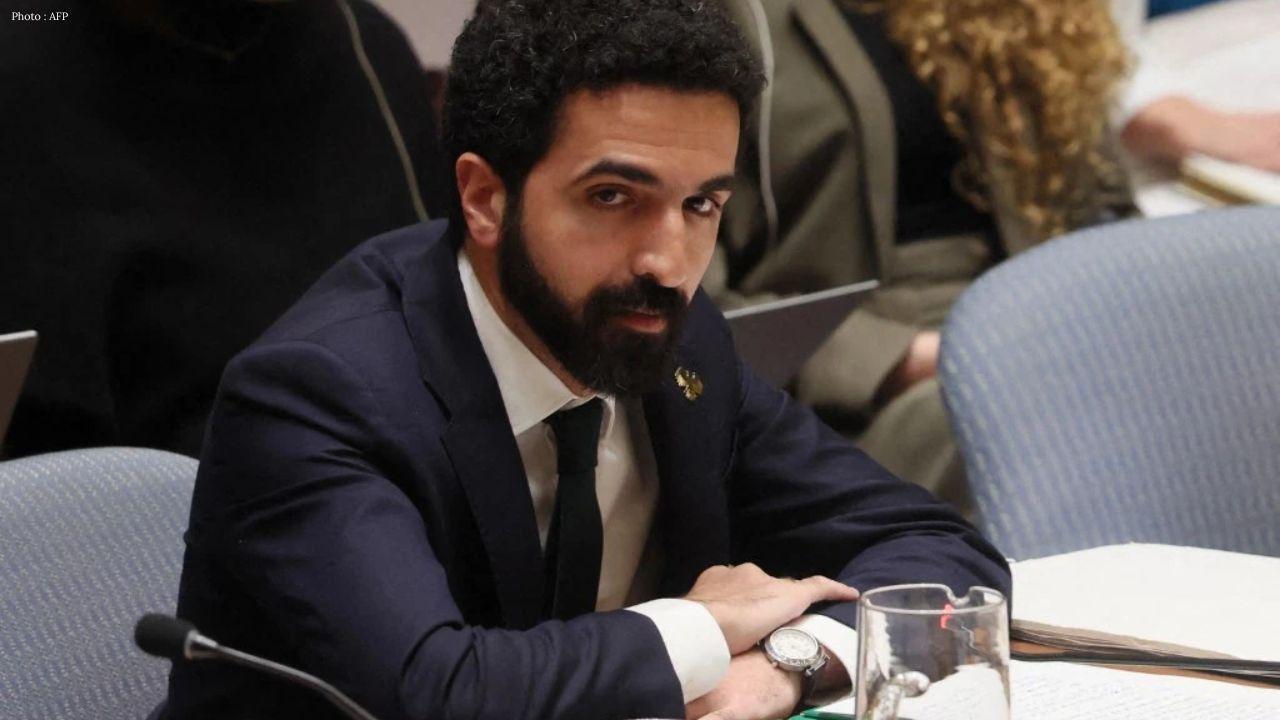
Andrii Sybiha, Ukraine's Foreign Minister, emphasized the distinction between the Belarusian populace and Lukashenko's leadership, commending volunteers, activists, and journalists from Belarus who have supported Ukraine amid the conflict.
Lukashenko has been in power for over 30 years and maintains a strong alliance with Russian President Vladimir Putin. Belarus heavily depends on Russia for energy, financial aid, and economic stability. The West has imposed numerous sanctions against Belarus for human rights abuses and for allowing Russian operations to use its territory during the invasion.
Recently, Lukashenko has sought to mend relationships with Western nations, with reports of Belarus releasing hundreds of political prisoners as part of agreements aimed at easing certain U.S. sanctions since Trump’s return to the White House.
Amid these tensions, Russia has employed the hypersonic Oreshnik missile in the latest barrage on Ukraine. Putin has claimed that this missile can reach speeds up to ten times that of sound, making it challenging for air defense systems to intercept.
Zelenskyy mentioned that Ukrainian intelligence received alerts from the U.S. and European allies regarding Russia's preparations to deploy this missile.
As per Kyiv officials, recent missile strikes in Ukraine have resulted in two fatalities and injuries to at least 91 individuals, damaging areas close to government buildings, schools, residential neighborhoods, and markets.
Ukraine has invited ambassadors from over 70 countries to assess the strike sites, with Foreign Minister Sybiha urging the international community to heighten pressure on Moscow and enhance support with air defense systems.
In another incident, Russia’s Federal Security Service reported the discovery of magnetic mines on a gas tanker in Ust-Luga's Baltic port, alleging production in a NATO member state, though Ukraine has not commented on this claim.
Separately, a missile strike targeting a commercial facility in the northeastern Ukraine city of Derhachi resulted in two fatalities and 19 injuries, as confirmed by regional officials.


 English