Post by : Vansh
Kumar
Beyond Borders: How Culture Bridges Communities Worldwide
In an increasingly interconnected world, culture serves as a bridge that links communities across continents. It transcends geographic, political, and social boundaries, offering a shared sense of identity and belonging. From language and traditions to art and social practices, culture plays a vital role in fostering understanding, collaboration, and unity among diverse populations. Exploring how culture connects communities worldwide helps us appreciate diversity, build empathy, and navigate the complexities of globalization.
The Role of Culture in Building Global Connections
Culture is the collective expression of human experience, encompassing beliefs, values, customs, language, art, and social norms. It shapes how people perceive the world and interact with one another. Across borders, shared cultural elements can foster connections even among communities with distinct histories and lifestyles.
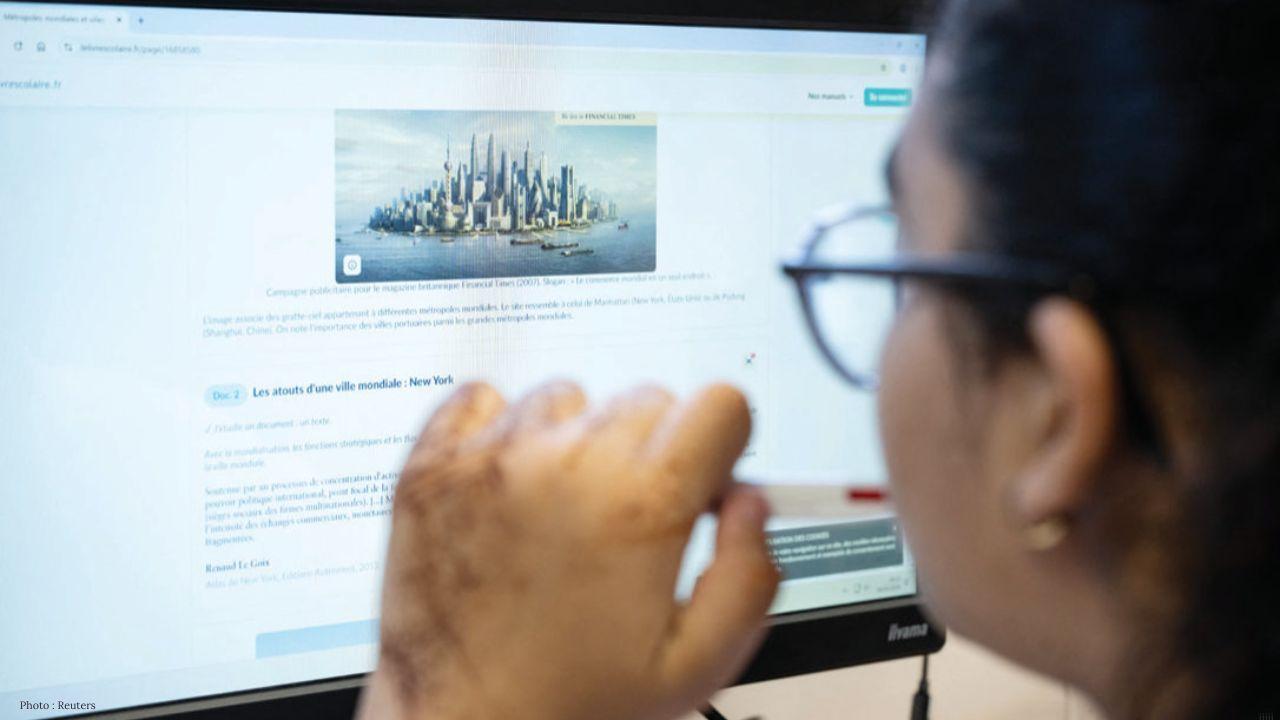
Language is a primary vehicle through which culture connects people. Multilingualism and cross-cultural communication allow individuals to exchange ideas, collaborate professionally, and develop interpersonal relationships globally. For example, the widespread adoption of English, Spanish, and Mandarin as lingua francas has facilitated international business, education, and diplomacy while respecting local cultural nuances.
Traditions and Shared Practices Across Borders
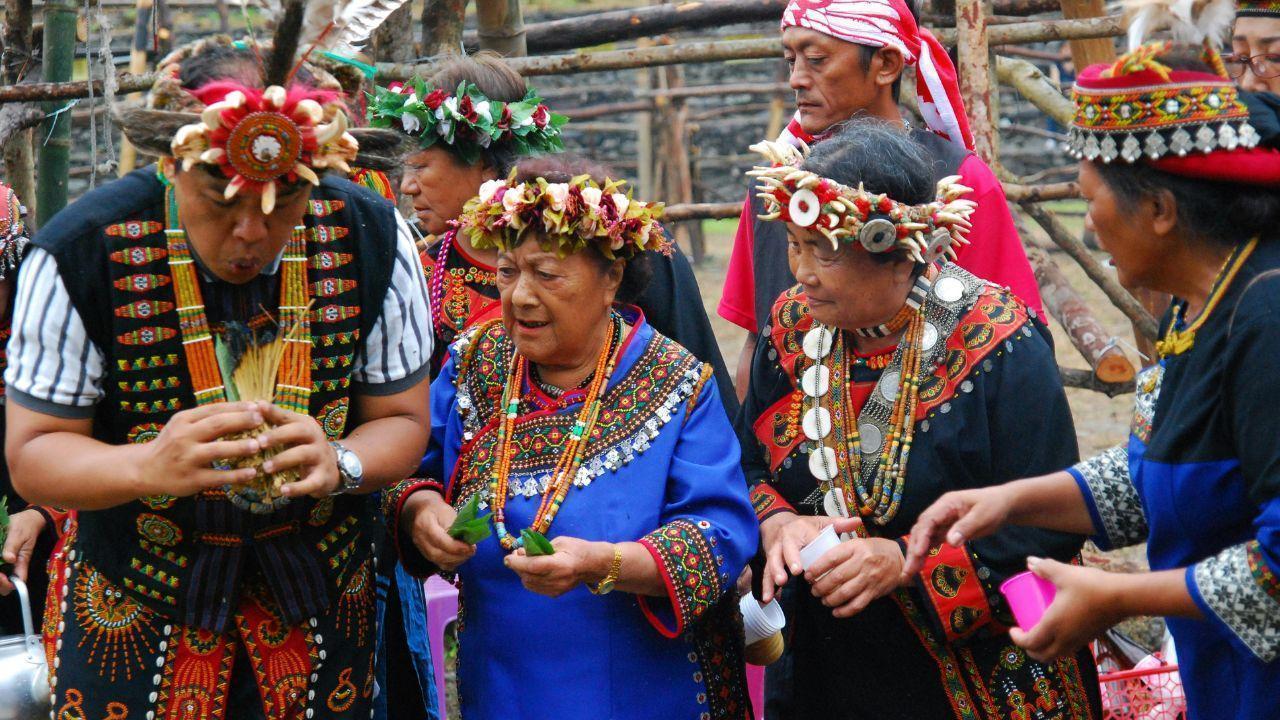
Traditions are a vital part of cultural heritage that transcend local communities. Festivals, rituals, and social practices often inspire admiration and participation beyond their region of origin. Celebrations like Chinese New Year, Diwali, and Carnival attract global audiences, fostering cross-cultural exchange and mutual appreciation.
Cultural practices, such as culinary traditions, music, and dance, also transcend borders. Fusion cuisine combines ingredients and techniques from multiple cultures, creating culinary experiences that reflect both diversity and unity. Similarly, global music genres often incorporate traditional instruments and melodies from different regions, demonstrating how cultural heritage influences contemporary global trends.
Art and Media: Bridging Communities
Art, literature, and media are powerful tools that connect communities across borders. Films, books, and digital content allow audiences worldwide to experience other cultures, fostering empathy and understanding. For instance, world cinema and literature often explore universal themes, such as love, resilience, and social justice, that resonate with diverse audiences while introducing them to unique cultural perspectives.
Art exhibitions, international music festivals, and online creative platforms also enable cultural exchange, allowing artists to showcase traditional and contemporary works to a global audience. These shared experiences strengthen cross-cultural connections, encouraging collaboration and dialogue across communities.
Disclaimer:
This article is intended for informational and educational purposes only. Readers should verify facts and consult experts or primary sources for specific guidance. Content provided by GCC news network.


 English