Post by : Meena
Hassan
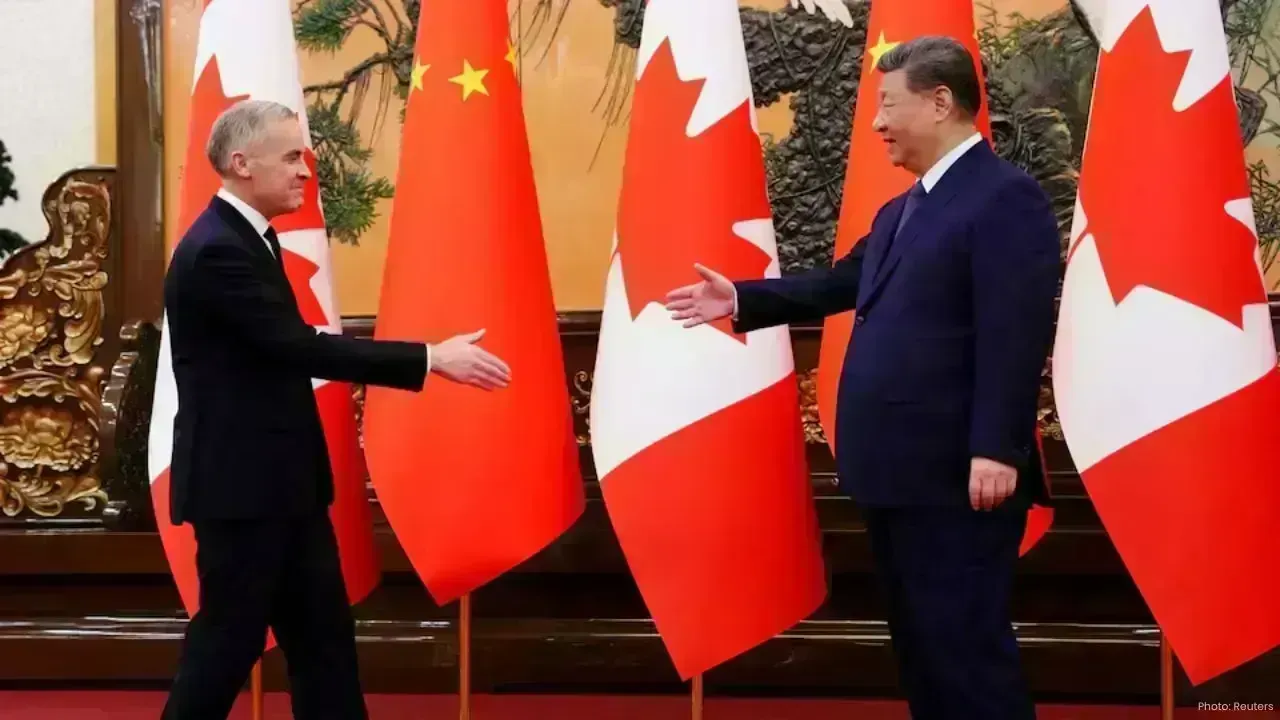
Canada and China have embarked on a significant journey to mend their relationship, marked by Prime Minister Mark Carney's high-level discussions with Chinese President Xi Jinping. The objective: establishing a robust strategic partnership. Carney expressed that working together could yield "historic" advantages, leveraging each country’s unique capabilities.
This visit represents a pivotal moment in Canada–China relations, as Carney stands as the first Canadian prime minister to set foot in China since 2017. This indicates a deliberate move to reset ties after a period of tension. China ranks as Canada's second-largest trading partner, following the United States, and both nations acknowledge the necessity of rebuilding trust and ensuring reliable communication.
During the discussions, Carney underscored the mutual benefits of enhanced cooperation for both Canada and China in a more balanced and pragmatic manner. He highlighted how Canada’s strengths in clean energy, agriculture, natural resources, education, and advanced tech could synergize with China’s vast market and manufacturing capabilities. A renewed collaboration could pave the way for sustainable economic growth, broaden trade avenues, and foster innovation in both realms.
President Xi welcomed Carney's visit, affirming China’s openness to improving relations grounded in mutual respect and common interests. He stressed the importance of maintaining stable ties, particularly amid ongoing global economic uncertainties and geopolitical tensions affecting trade relations. Xi remarked that collaboration between key economies like China and Canada could bolster global growth and stability.
These talks follow months of discreet diplomatic maneuvers by both nations to alleviate prior tensions, with relations having cooled due to political disputes, trade conflicts, and national security concerns. Carney's visit reflects an unmistakable intention to bypass past challenges and prioritize practical engagement.
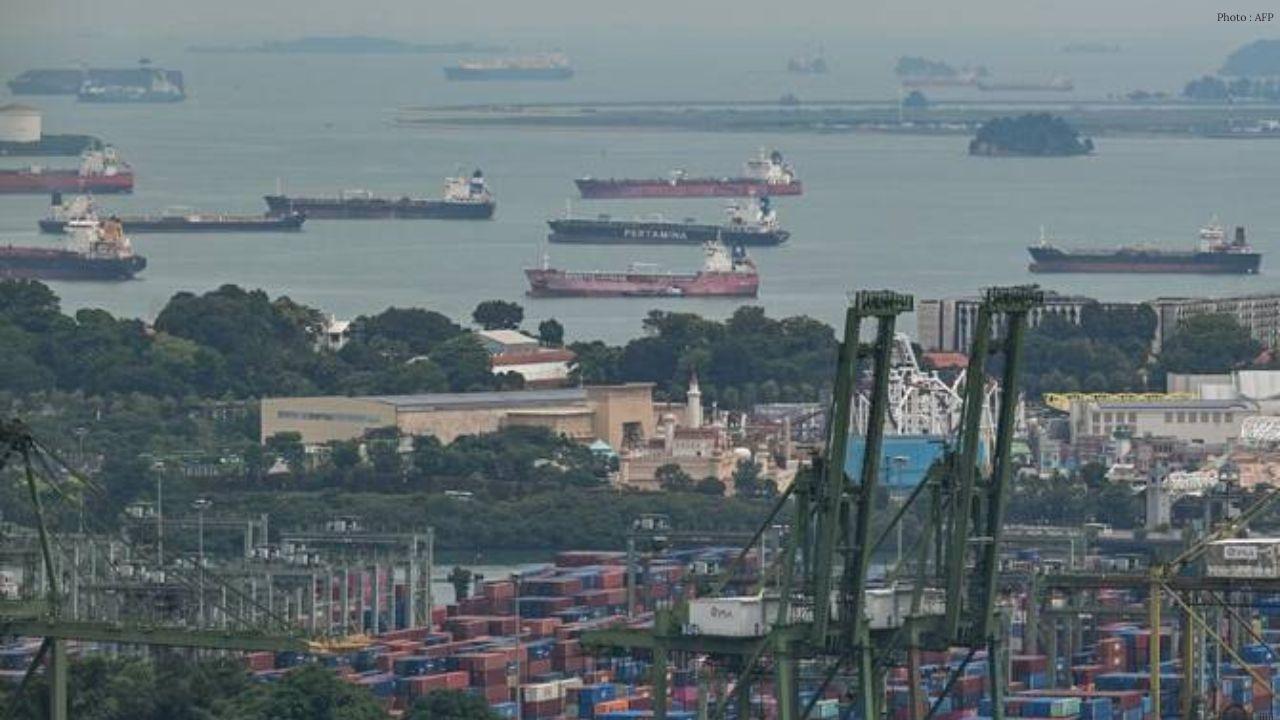
Trade emerged as a crucial theme in the discussions, with Canadian officials optimistic about boosting exports of agricultural commodities, energy resources, and premium goods to China. Concurrently, Canada is eager to draw more Chinese investments in sectors like clean technology, infrastructure, and research. Both sides concurred on the necessity of transparent and fair guidelines to foster business trust.
In addition to trade, both leaders deliberated on collaborative efforts in education, climate initiatives, and global challenges. Canada expressed a desire to enhance student exchanges and educational collaborations, while China showed interest in deeper environmental cooperation and emissions reduction. These exchanges are deemed less politically fraught and are instrumental in gradually rebuilding trust.
Carney emphasized that fostering better relations with China should not come at the expense of Canada’s core values or alliances. He reiterated Canada’s commitment to defend its national interests, maintaining strong ties with traditional partners, especially the United States. However, he also indicated that constructive engagement with China is imperative in a world where economic power is distributed among numerous nations.
Analysts suggest that this visit illustrates a more pragmatic stance from Canada, centered on dialogue instead of confrontation. While there remain significant challenges, including differences in human rights and security issues, both governments seem prepared to handle disagreements through communication rather than isolation.
As the discussions wrapped up, officials characterized the engagement as positive and optimistic for the future. While no significant agreements surfaced immediately, both parties committed to maintaining ongoing discussions through established diplomatic channels. Working groups are anticipated to look into various sectors where cooperation could proceed expeditiously.
Carney's visit might not address every lingering issue, yet it has reopened avenues that had largely been neglected for years. By prioritizing engagement over estrangement, Canada and China have indicated a mutual interest in reconstructing a functional relationship that could influence trade, diplomacy, and collaboration in the foreseeable future.


 English