Post by : Bianca
Haleem
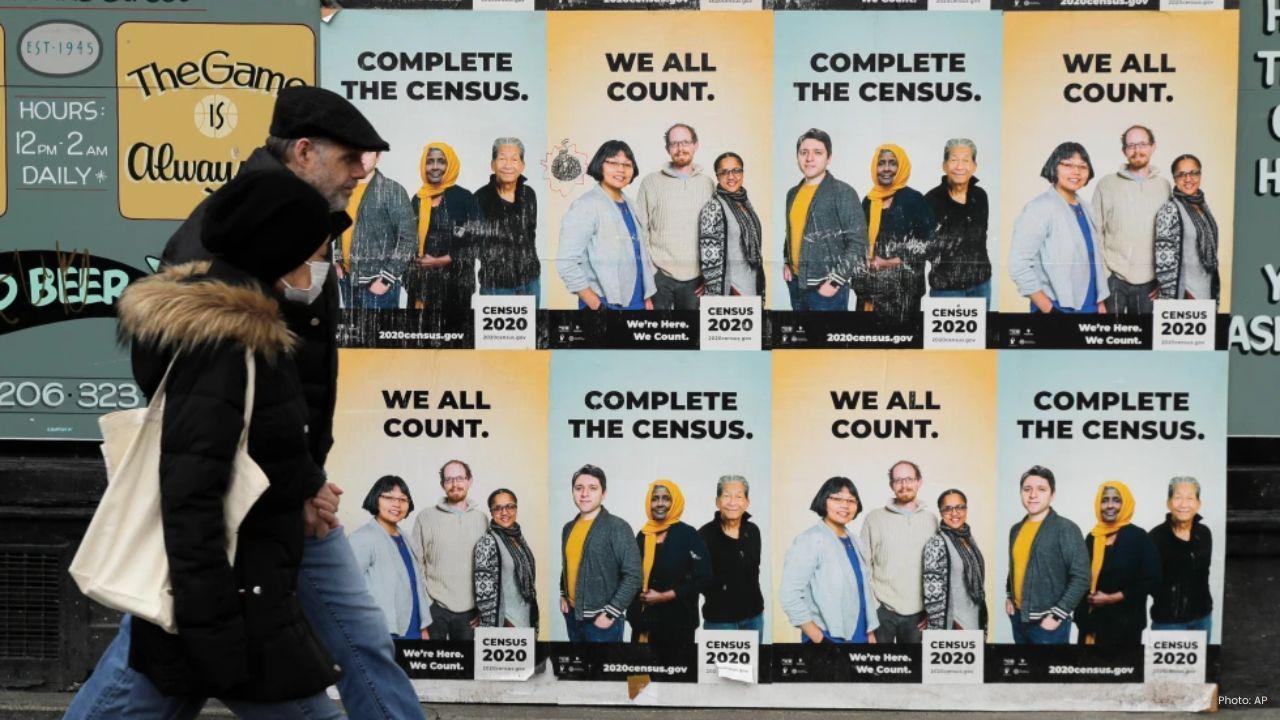
The Trump administration has significantly scaled back plans for a major test aimed at preparing for the 2030 U.S. Census, triggering concerns among population experts about the accuracy of future population counts.
According to a notice submitted by the U.S. Commerce Department, the Census Bureau will now conduct its census methods test in only two locations — Huntsville, Alabama, and Spartanburg, South Carolina. The test began on Monday and the notice is set to be formally published on Tuesday. The Commerce Department oversees the Census Bureau.
Originally, the Census Bureau had announced six test locations in 2024, which included Colorado Springs, Colorado; tribal lands in Arizona; western North Carolina; and western Texas. These areas were selected to represent communities that are traditionally harder to count due to factors such as limited internet access, rural settings, fast population growth, or nontraditional housing.
The Census Bureau did not respond to requests seeking clarification on why four sites were removed. However, a statement on its website said the agency “remains committed to conducting the most accurate count in history for the 2030 Census” and emphasized continued collaboration with local communities.
Experts say limiting the test to just two southern metro areas could weaken preparations for the nationwide head count.
Mark Mather, associate vice president at the Population Reference Bureau, described the move as “a step backward.” He warned that the Census Bureau may miss critical insights into undercounted populations.
“The Census Bureau would be flying blind into communities that need testing the most — including tribal lands, rural areas with poor connectivity, and regions with historically low response rates,” Mather said.
Terri Ann Lowenthal, a former congressional staffer and census policy consultant, called the site reductions “an ominous sign” for the 2030 Census. She added that the agency’s broader testing strategy for 2026 remains unclear.
The census test is designed to improve counting methods for populations that were undercounted in 2020. It also allows the bureau to test messaging strategies, data processing systems, and new operational models — including a proposal to use U.S. Postal Service workers for duties traditionally handled by census staff.
The once-a-decade census plays a critical role in determining congressional representation, Electoral College votes, and the allocation of nearly $2.8 trillion in federal funding each year.
Ahead of the 2020 Census, the only full-scale test was conducted in Providence, Rhode Island, in 2018, after other planned tests were canceled due to funding shortages.
With fewer testing locations this time, experts warn that the Census Bureau may face challenges ensuring an accurate and inclusive count in 2030.


 English