Post by : Meena
Hassan
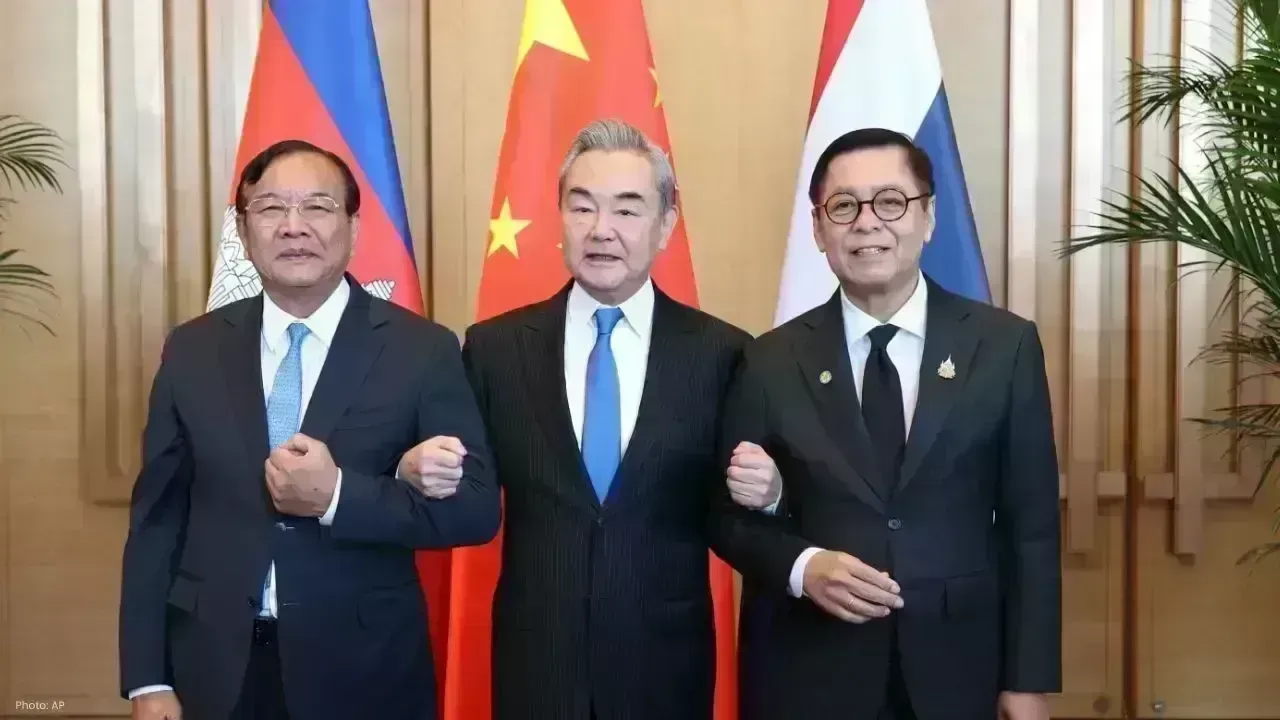
China has increased its diplomatic footprint in Southeast Asia by hosting a crucial bilateral meeting involving the foreign ministers of Cambodia and Thailand. This strategic gathering, held in Yunnan province, emphasizes China's ambition as a regional mediator, particularly close to the contentious Cambodia–Thailand frontier.
These discussions came right after both nations finalized a new ceasefire agreement just two days prior, designed to end weeks of intense skirmishes that claimed over 100 lives and prompted the evacuation of numerous civilians situated along the border. The violence signified a notable escalation in tensions, raising concerns about a potential long-term conflict.
During the meeting, Chinese Foreign Minister Wang Yi urged Cambodia and Thailand to act with restraint and collaboratively ensure peace, stability, and development. He pointed out that a relapse into violence would not align with the aspirations of both populations and would be harmful to regional growth. Wang depicted China as a supportive ally to both nations, stressing the importance of dialogue over confrontation.
Cambodian Foreign Minister Prak Sokhonn expressed hope that the latest ceasefire would remain intact, suggesting it could cultivate a productive atmosphere for bilateral relations. He highlighted the importance of reverting to prior agreements aimed at peacefully resolving disputes through diplomatic channels. Thai Foreign Minister Sihasak Phuangketkeow shared similar preferences, voicing hopes for a return to tranquility and improved relations with neighboring countries.
Thailand later affirmed that China has proposed serving as a neutral mediator to facilitate peace efforts between the two nations. Thailand indicated potential consideration for the release of 18 Cambodian soldiers captured in earlier skirmishes, contingent upon the completion of a 72-hour ceasefire monitoring phase. Additionally, Thailand sought Cambodia's assistance to ensure the safe repatriation of Thai civilians displaced by recent conflicts.
Previous ceasefire attempts between the two countries were made in July and October, but underlying tensions continued due to hostile rhetoric and sporadic cross-border incidents. These longtime unresolved issues culminated in severe fighting in December. The latest arrangement also commits both nations to abide by international laws against landmine usage, addressing a significant concern in the historically volatile border area.
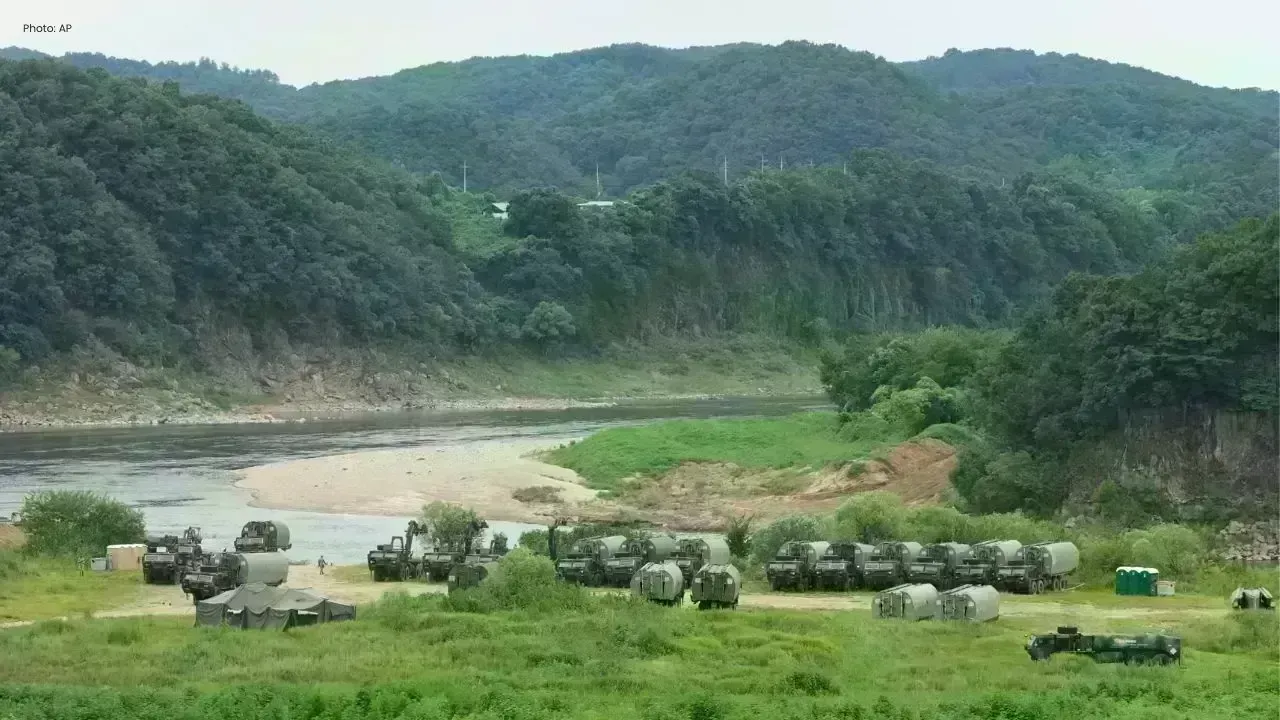
Cambodian Prime Minister Hun Manet remarked to military forces stationed at the border that while the country is prepared to defend itself, prolonging conflict would yield no advantages. His comments shared a common understanding that ongoing hostilities would exacerbate humanitarian crises and strain diplomatic ties.
China's proactive role in these discussions accentuates its growing influence as a dominant power in the region and reflects a broader strategy to establish itself as a pivotal mediator in Asian security matters. By fostering dialogue between Cambodia and Thailand, Beijing hopes to not only stabilize Southeast Asia but also reinforce its diplomatic presence and strategic engagements throughout the region.


 English