Post by : Raina
Al-Fahim
China has declared a halt to Japanese seafood imports, escalating a diplomatic confrontation stemming from recent statements regarding Taiwan, as reported by Japanese media on Wednesday. This decision intensifies the already tense relations between Tokyo and Beijing, carrying significant economic and geopolitical ramifications.
The suspension reportedly followed remarks by Japan's new Prime Minister, Sanae Takaichi, who indicated on November 7 that Japan might militarily intervene if Taiwan were threatened. In response, China, viewing Taiwan as an integral part of its territory, expressed strong dissatisfaction by summoning Tokyo's ambassador and advising its citizens about travel risks in Japan.
Japanese outlets, including NHK, have noted that China framed the suspension of seafood imports as a precautionary step to examine treated wastewater from the Fukushima nuclear facility, despite reassurances from global observers. The United Nations atomic agency has supported Japan's release of treated water, and TEPCO, the plant's operator, affirmed that radioactive contaminants had been effectively filtered out, leaving only safe levels of tritium.
This move marks a notable pivot from earlier in 2025, when China resumed purchasing Japanese seafood following a prior ban that was enacted amid the 2023 discharge of treated water from Fukushima. Following China's lead, Russia has also ceased imports of Japanese seafood.
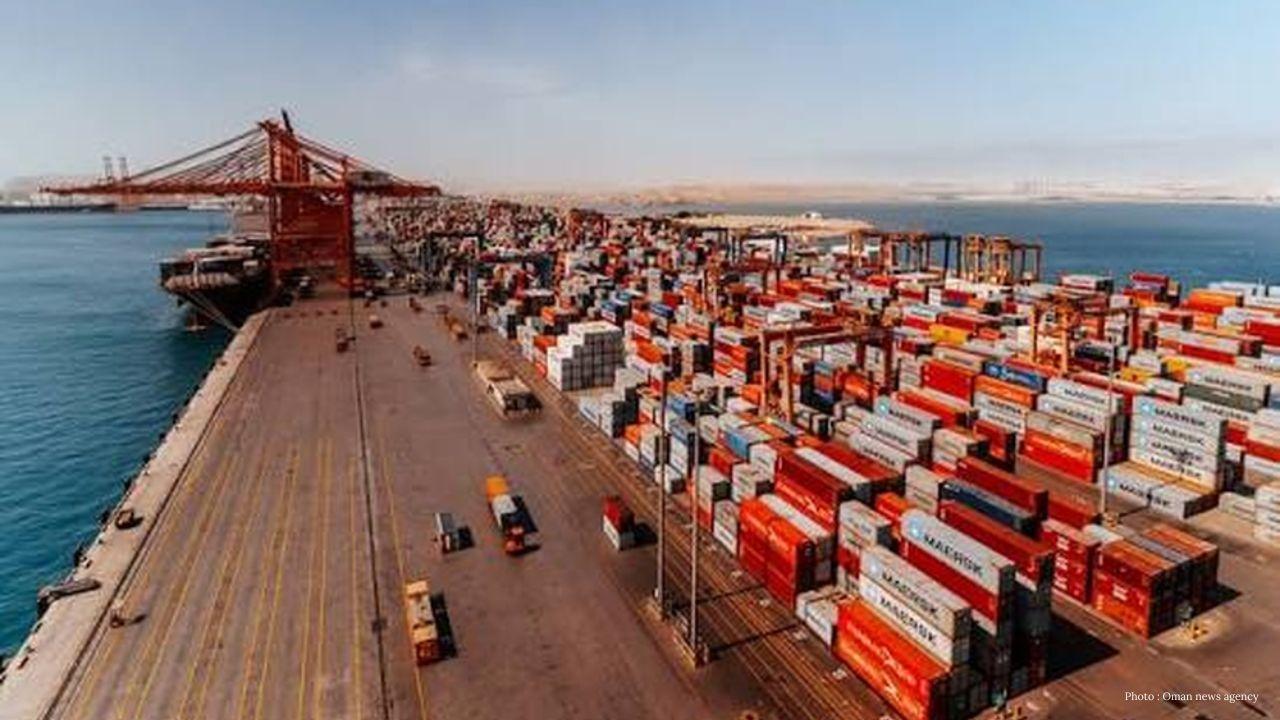
China's imports represent a critical portion of Japan's seafood exports. In 2023, approximately 15.6% of Japan's seafood exports, translating to roughly ¥390 billion ($2.5 billion), were sent to mainland China, with Hong Kong adding 26.1% and the United States comprising 15.7%. Analysts express concerns that this new ban could severely disrupt trade dynamics and affect Japan's fishing sector.
China's foreign ministry reiterated its firm disapproval of Takaichi's statements. Spokeswoman Mao Ning stated that the prime minister's comments “seriously violate international law and the fundamental norms that govern international relations,” damaging the political groundwork between China and Japan. In light of these developments, Japan has advised its citizens in China to remain vigilant and avoid large gatherings.
Efforts to ease tensions are ongoing. Masaaki Kanai, Japan’s senior Asia-Pacific official, held discussions in Beijing with Chinese counterpart Liu Jinsong on Tuesday. During these talks, China expressed strong objections to Takaichi's “erroneous remarks,” emphasizing the intricate political and economic factors involved in this dispute.
Moreover, this recent conflict underscores how quickly geopolitical tensions can influence trade relations, as both nations manage the delicate balance between national security concerns and economic interests. Analysts caution that the repercussions may extend throughout the Asia-Pacific seafood market, further straining the already fragile ties between China and Japan, which are plagued by territorial disputes and military tensions.
The import ban, alongside the deferral of Japanese film releases in China, hints at a larger diplomatic rift that could persist if issues regarding Taiwan are not resolved. Observers are keenly watching how both countries will navigate the interplay of political rhetoric and economic realities in the weeks ahead.


 English