Post by : Bianca
Haleem
Global security is on edge as the United States and Russia indicate a possible resurgence of nuclear testing, reigniting fears of an arms race. Recent announcements have sparked significant alarm within the international community, emphasizing the precarious state of global nonproliferation initiatives.
U.S. President Donald Trump announced via social media that the Department of War has been directed to initiate nuclear weapons tests in line with other nations, potentially marking the first American tests in over thirty years. In response, President Vladimir Putin of Russia cautioned that any such nuclear tests by the U.S. or other nations party to the Comprehensive Nuclear-Test-Ban Treaty (CTBT) would force Russia to implement retaliatory actions.
The CTBT, a product of lengthy negotiations adopted by the U.N. General Assembly in 1996, aims to ban nuclear explosions, establishing a widely accepted standard against such testing. While 187 countries have signed the treaty and 178 have ratified it, it has yet to come into force due to the need for ratification by 44 critical states. Among these, countries like China, Egypt, Iran, Israel, and the U.S. have signed but not ratified, whereas India, Pakistan, and North Korea have neither signed nor ratified. Notably, Russia revoked its ratification in 2023, citing disparities in global adherence.
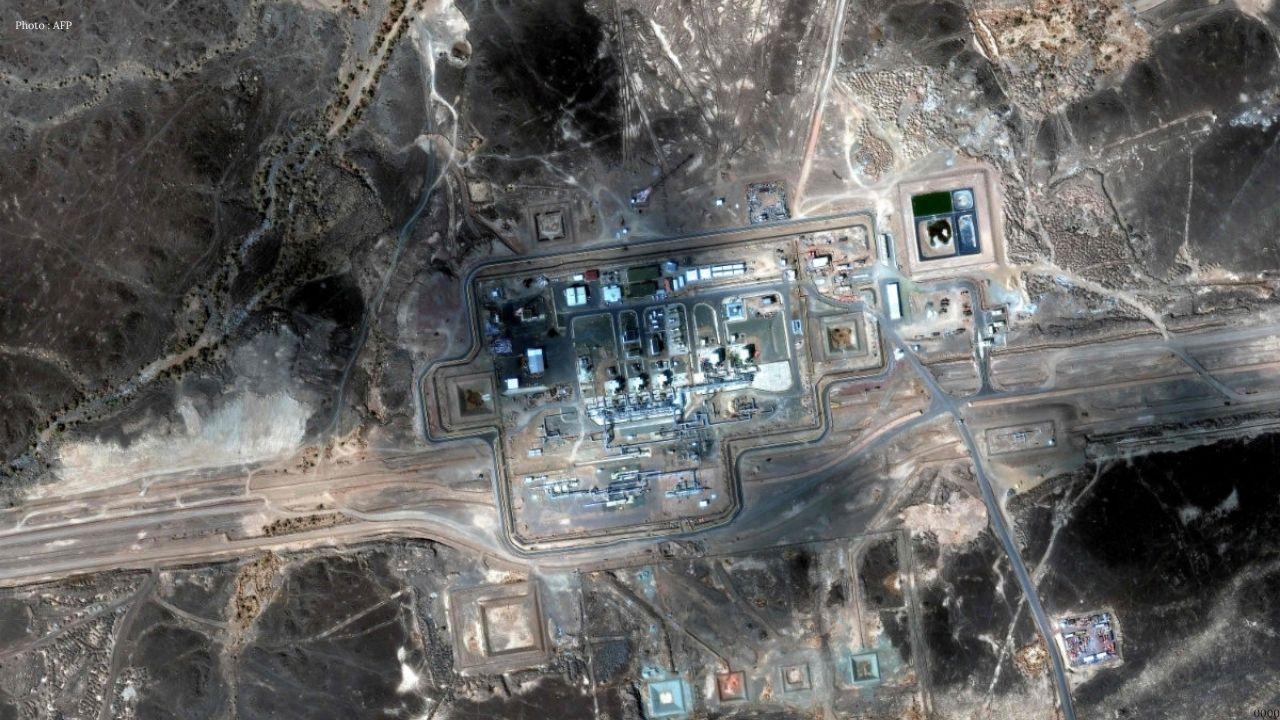
The treaty also established the Comprehensive Nuclear-Test-Ban Treaty Organization (CTBTO), which manages 307 monitoring facilities globally. These stations utilize seismic, hydroacoustic, infrasound, and radionuclide technologies to detect nuclear tests and supply essential verification data. The network successfully identified all six of North Korea's nuclear tests from 2006 to 2017.
Experts caution that resuming nuclear testing could lead to significant repercussions. “It provides an opportunity for less experienced nuclear states to conduct comprehensive tests, potentially enhancing their warhead designs,” noted Daryl Kimball of the Arms Control Association. Nations like China and India might also feel compelled to consider testing, as the U.S. and Russia have historically dominated this area.
Importantly, not all tests result in explosions. U.S. officials clarified that planned experiments would refrain from nuclear detonations, focusing instead on subcritical tests that utilize fissile material without triggering a self-sustaining chain reaction. Such tests are subject to international monitoring parameters, though hydronuclear tests with extremely low yields might remain undetected, producing a “verification gap.”
As global tensions continue to rise, the CTBTO plays a vital role in the nuclear monitoring framework, ensuring nations can detect any nuclear explosions and trust in compliance, even amidst the resurgence of atomic ambitions.


 English