Post by : Bianca
Haleem
On Thursday, tensions flared as the United States and Iran exchanged fire near the Strait of Hormuz, marking the most significant challenge to their month-long ceasefire. Both nations have signaled a reluctance to see the situation escalate further.
Iran's military reported that US forces targeted two vessels entering the strait and executed airstrikes within Iranian borders, claiming these attacks affected civilians in areas such as Qeshm Island and the coastal towns of Bandar Khamir and Sirik.
In retaliation, Iran stated its forces struck US naval assets positioned east of the Strait of Hormuz and south of Chabahar port, with the Khatam al-Anbiya Central Headquarters asserting considerable damage was inflicted on US forces.
However, US Central Command (CENTCOM) refuted these claims, asserting that no damage occurred to its military vessels, while confirming that Iran had launched missiles, drones, and small boats targeting three US Navy destroyers.
In response, CENTCOM mentioned that American forces targeted Iranian missile and drone sites and other military infrastructures. It reiterated that the US does not seek to escalate tensions, while remaining prepared to ensure the safety of its personnel in the region.
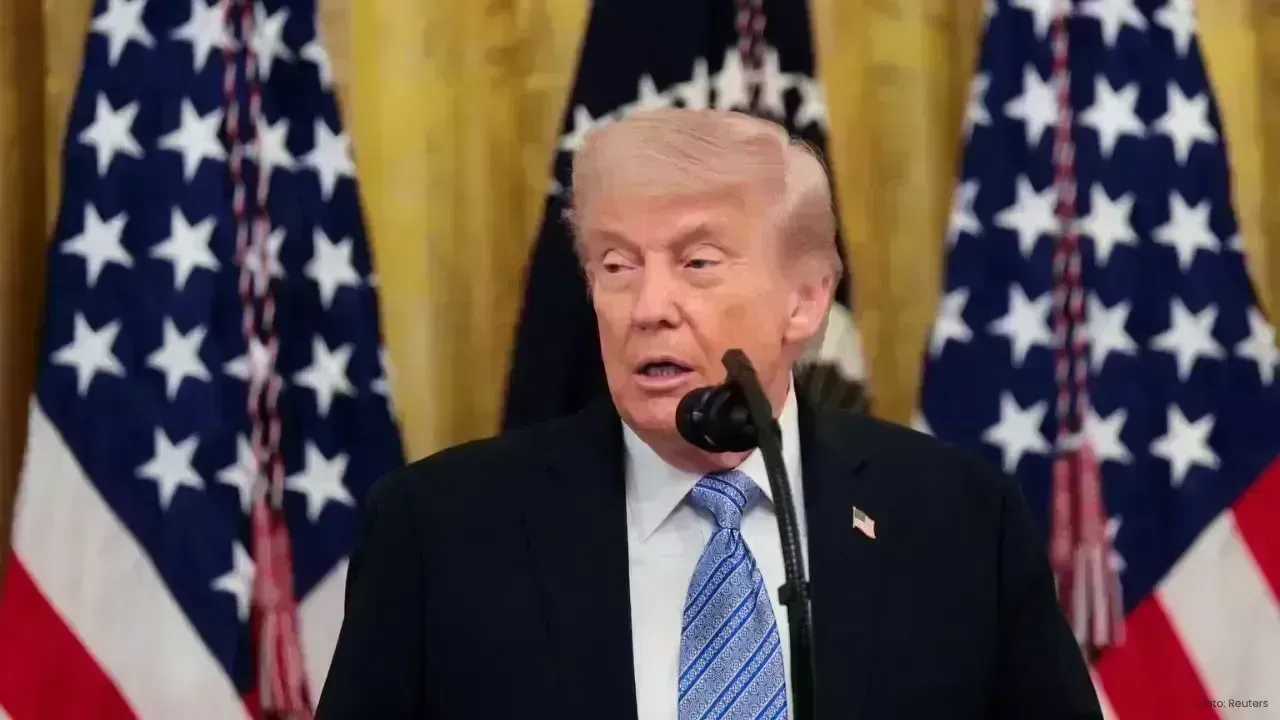
President Trump minimized the incidents, affirming that the ceasefire remains intact. Upon reflection, he remarked, "They trifled with us today. We blew them away," during a visit to the Lincoln Memorial.
After several hours of exchanges, Iran later declared the situation had returned to normal, with state media reporting tranquility on islands and coastlines adjacent to the Strait of Hormuz.
This confrontation unfolds as Washington awaits an official response from Tehran concerning a US proposal focused on formally concluding the conflict. Major unresolved issues include Iran's nuclear ambitions and reopening the Strait of Hormuz.
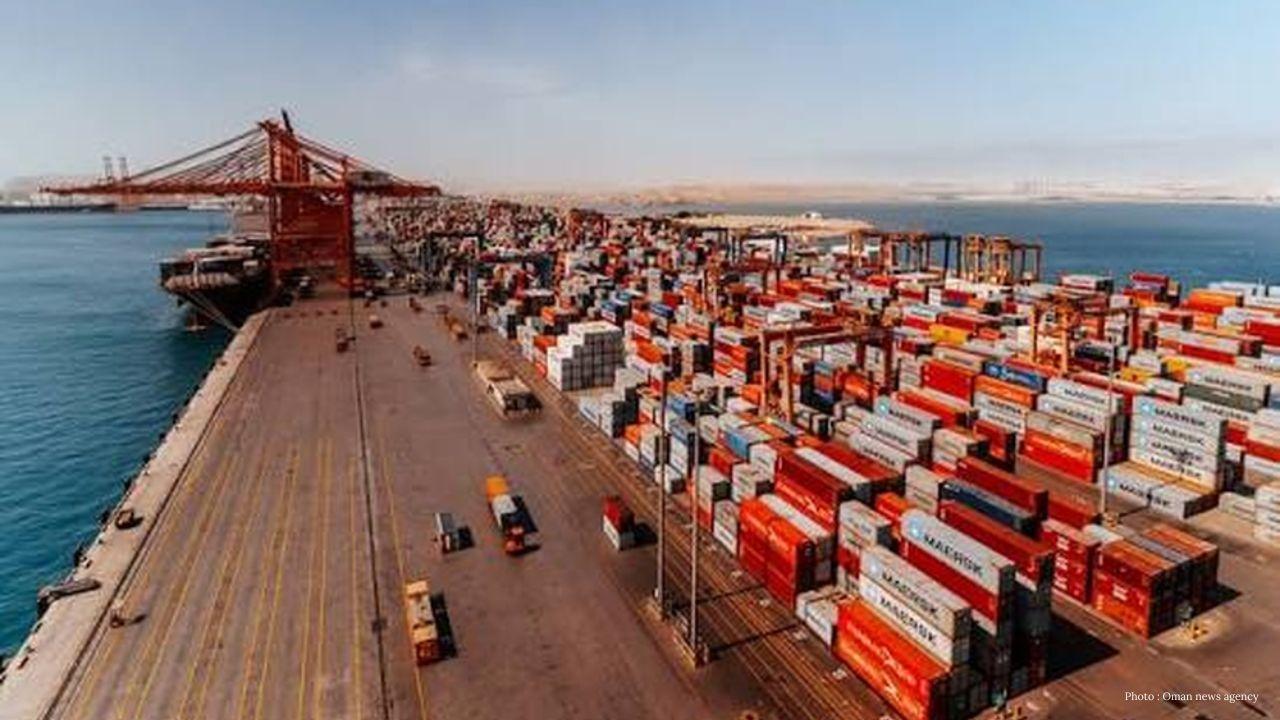
Prior to the unrest, nearly one-fifth of the world's oil and gas supply traversed the Strait of Hormuz, solidifying its status as a pivotal shipping artery.
Trump emphasized that negotiations are ongoing and claimed that Iran recognizes it will not be permitted to develop nuclear arms. He stated, "There’s zero chance. And they know that, and they’ve agreed to that," regarding the proposed accord.
Despite the renewed hostilities, both parties appear willing to engage in diplomatic discussions, although uncertainty lingers about the likelihood of reaching a comprehensive agreement.


 English