Post by : Raina
Al-Fahim
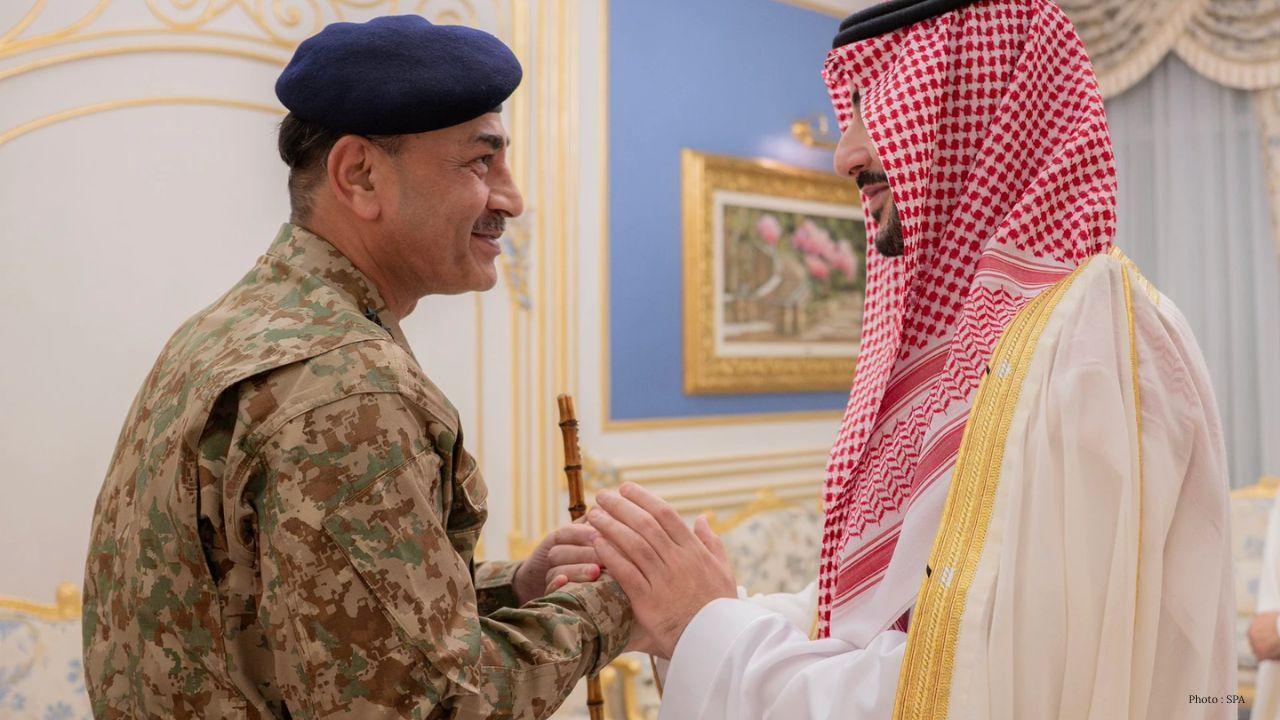
Washington, D.C. – Crown Prince Mohammed bin Salman of Saudi Arabia is scheduled to meet with U.S. President Donald Trump at the White House on Tuesday for critical discussions aimed at enhancing cooperation in oil, security, and technology, including nuclear energy.
This visit marks MBS’s first trip to the United States since the controversial 2018 incident involving journalist Jamal Khashoggi, which resulted in widespread condemnation. U.S. intelligence assessments linked the Crown Prince to the order, though he has denied any wrongdoing, taking on responsibility as the Kingdom’s leading figure.
Despite previous strains, both nations are keen to strengthen their relationship. Trump is eager to leverage a significant $600 billion investment commitment from Saudi Arabia that was announced during his May visit, prioritizing economic and strategic partnerships over human rights concerns.
Key Focus on Defence Agreements
A main agenda item is a potential defence pact. Saudi Arabia has consistently depended on U.S. security assurances in exchange for advantageous oil arrangements. Recent conflicts in the region, particularly Iran’s 2019 attacks on Saudi oil facilities and an Israeli strike in Qatar, have prompted Riyadh to seek enhanced security guarantees.
While Washington is contemplating an executive order akin to the defence agreement with Qatar, Saudi Arabia is aiming for a broader security deal. Analysts suggest that the U.S. may propose various levels of support including consultations and defensive equipment, but might refrain from committing to an all-encompassing defence treaty.
Technological and Nuclear Growth
Aside from defence talks, MBS is pursuing advanced technology and nuclear collaborations as part of Saudi Arabia’s Vision 2030 initiative. Gaining access to cutting-edge AI and civilian nuclear technology could enable the Kingdom to diversify its economy while enhancing its regional influence against competitors like Iran and the UAE.
Saudi Arabia has dismissed U.S. stipulations regarding uranium enrichment and spent fuel management, emphasizing its resolve to develop a nuclear program that guarantees energy independence and technological equity in the Gulf region.
Navigating Regional Diplomacy
These discussions are set against a backdrop of intricate geopolitical relations between the U.S., Israel, and Saudi Arabia, intertwined with the Palestinian statehood dispute. Riyadh is linking defense collaboration to Israel's position on Palestine, adding complexity to the negotiations.
Experts predict a mutual compromise: the U.S. may extend targeted defence assistance and economic cooperation, while Saudi Arabia could obtain benefits in technology and civil nuclear efforts. A Western diplomat noted, “This showcases diplomacy in progress; both parties will advance carefully while negotiating their aspirations against geopolitical constraints.”
The conclusions reached during MBS’s visit could redefine U.S.-Saudi relations and influence broader security and economic frameworks across the Middle East. With $600 billion in investments and discussions on advanced AI and nuclear partnerships, this meeting could serve as a crucial juncture in ties between Washington and Riyadh.


 English