Post by : Shweta
The confrontation between Iran and the United States has intensified following military strikes exchanged near the strategic Strait of Hormuz. This escalation coincides with U.S. President Donald Trump’s denial of reports suggesting a potential agreement regarding this vital waterway. The recent hostilities have sparked concerns over increasing instability in the Middle East and potential disruptions to global oil supplies.
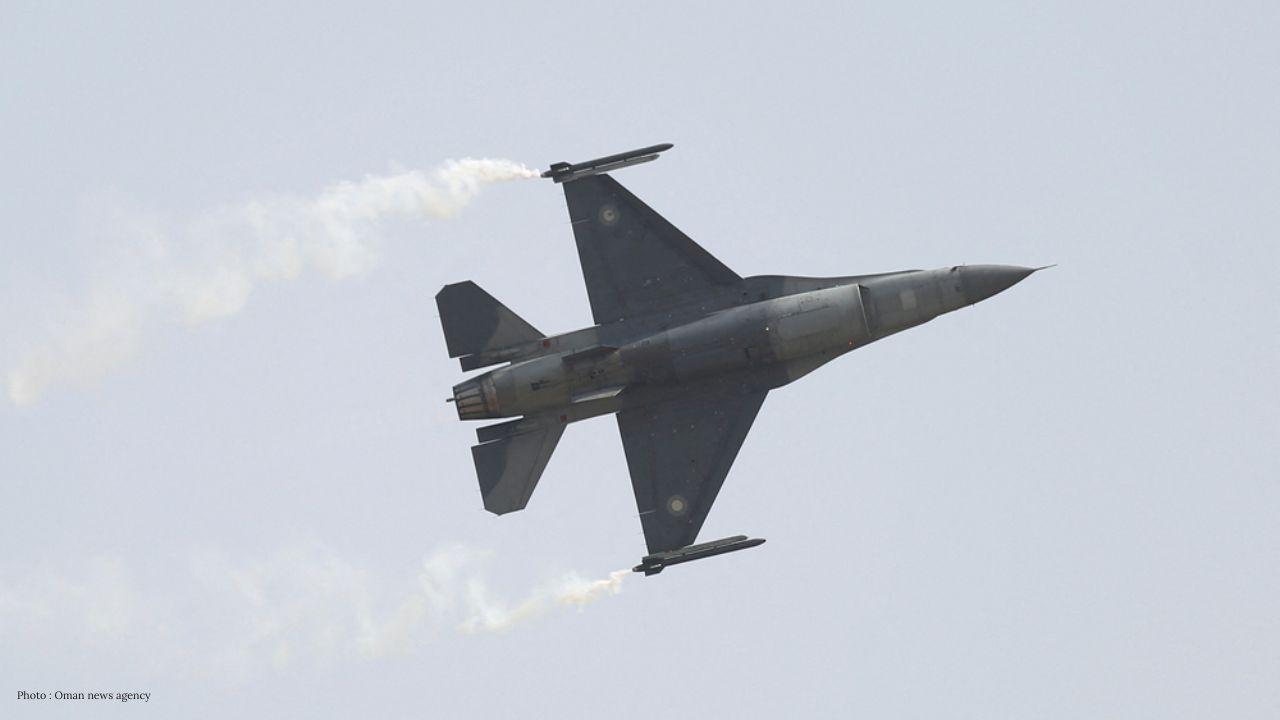
Reports indicate that U.S. forces conducted strikes aimed at Iranian drone operations and military facilities near Bandar Abbas, a key port city adjacent to the Strait of Hormuz. According to American officials, these operations were initiated based on intelligence indicating that Iranian drones posed a threat to U.S. military forces and civilian shipping in the area.
In retaliation, Iran’s Revolutionary Guard launched strikes against what it termed a U.S. military base. Iranian authorities characterized these actions as defensive, accusing Washington of breaching previous ceasefire agreements amid the ongoing regional tensions.
The situation escalated further when Iranian state-linked media reported ongoing discussions that could potentially involve arrangements concerning the Strait of Hormuz and Oman’s mediation efforts. These reports hinted at progress toward resuming commercial shipping through the critical waterway. However, President Trump publicly refuted these assertions and dismissed any claims of a concluded agreement.
Trump emphasized that no nation should control the Strait of Hormuz, labeling it an essential route for international trade and energy sectors, while cautioning against attempts to restrict navigation in this key area, which accounts for a significant share of global oil shipments.
The Strait of Hormuz remains a crucial maritime corridor, with a substantial portion of global crude oil and liquefied natural gas exports passing through it daily. The heightened military activity in the region has raised alarms among energy traders and financial markets, prompting a rise in oil prices following reports of the recent confrontations.
Experts indicate that the renewed military actions highlight the delicacy of the current geopolitical climate, despite prior diplomatic overtures and ceasefire talks. In recent months, both Iran and the U.S. have accused one another of breaching informal agreements related to shipping access, sanctions, and military movements in the Persian Gulf.
International analysts express concerns that further escalations could disrupt global energy markets, compromise regional stability, and impact international shipping. Several countries have reportedly stepped up surveillance of commercial vessels navigating the Gulf due to fears of potential attacks or military interferences.
Political analysts suggest that while diplomatic conversations may still be occurring behind the scenes, the recent cycle of attacks complicates any immediate resolutions. The U.S. continues to press for stricter limitations on Iran's military and nuclear ambitions, while Iranian officials demand alleviations of sanctions and safeguards for their regional interests prior to considering significant compromises.
As global tensions persist, international leaders are expected to monitor developments closely, as any sustained conflict in and around the Strait of Hormuz could have far-reaching economic and geopolitical impacts.


 English