Post by : Mariam
Al-Faris
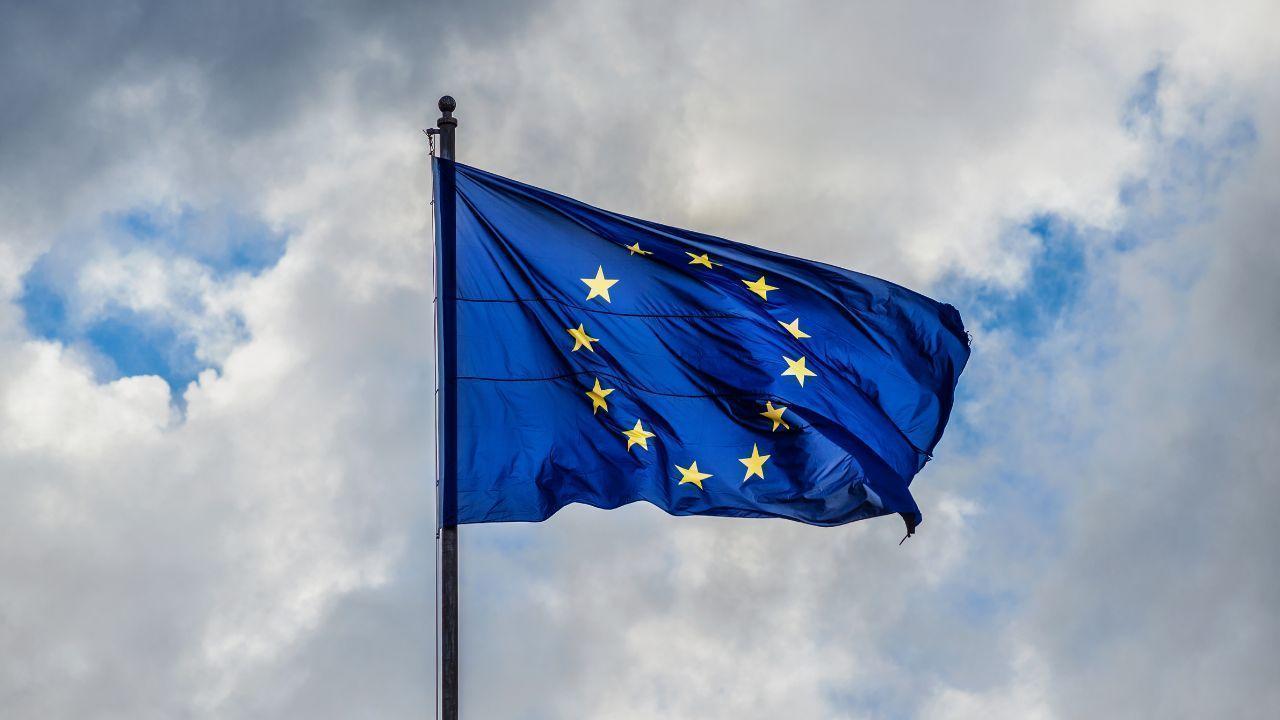
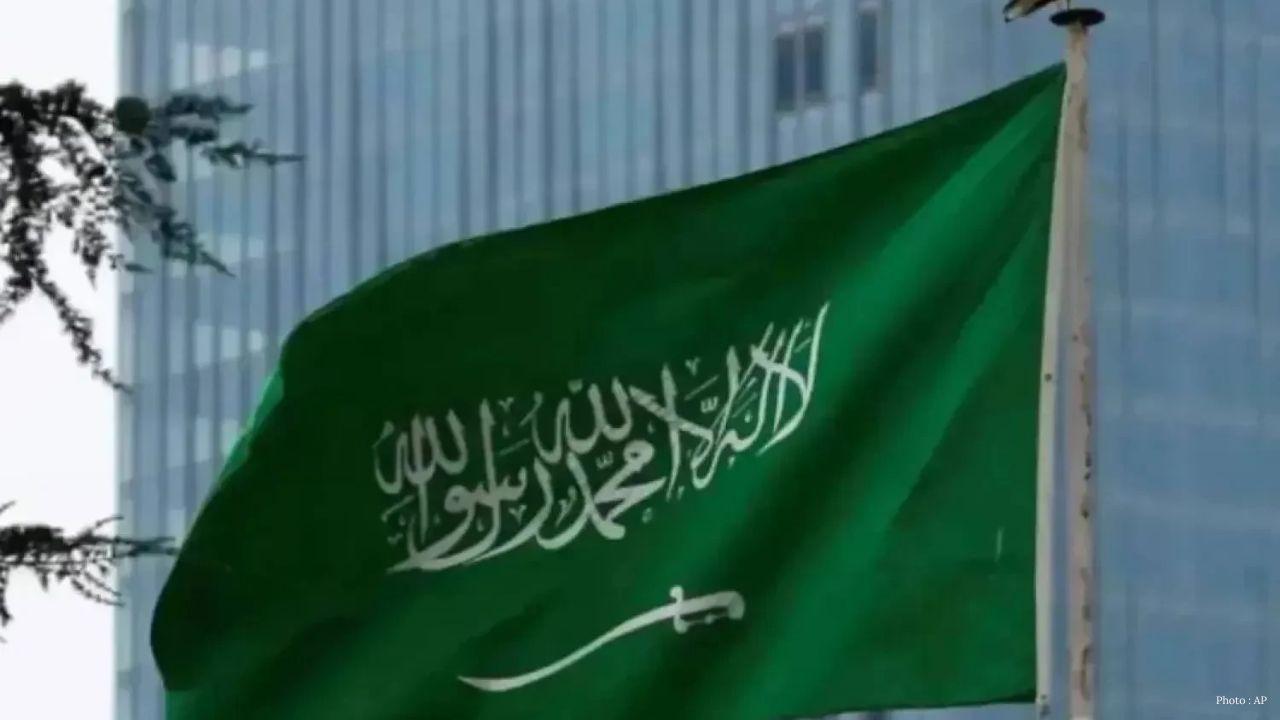
The European Union (EU) has taken a big step toward building stronger and more friendly ties with the Gulf Cooperation Council (GCC) countries. These Gulf countries include Saudi Arabia, the United Arab Emirates, Qatar, Kuwait, Bahrain, and Oman.
On Friday, European ministers met in Brussels, Belgium, and gave the green signal to start new talks with these Gulf nations. These talks are about creating Strategic Partnership Agreements, which are special agreements between two sides to work together on important issues like security, trade, and energy.
This news was shared by Bloomberg, a major global news outlet, and it shows how serious the EU is about making new friends and stronger partnerships outside of Europe.
Why Is This Happening Now?
The world is changing fast. There are new challenges in global politics, energy needs, and economic stability. Because of this, the European Union wants to be more flexible and prepared. That means looking beyond their usual partners and finding new ways to cooperate with other countries.
The Gulf countries are very important for several reasons:
-
They have a strong role in global energy markets, especially oil and gas.
-
They are becoming more involved in international trade and finance.
-
They are located in a strategic region, between Europe, Asia, and Africa.
-
They are also trying to modernize and grow their economies.
So, it makes sense that the EU wants to build a closer relationship with these countries.
What Is a Strategic Partnership Agreement?
A Strategic Partnership Agreement is a formal deal between two groups — like the EU and the Gulf countries — where both sides agree to work together on big topics. These topics can include:
-
Security: Working together to fight terrorism, improve safety, and share information.
-
Energy: Making deals about oil, gas, and clean energy sources.
-
Trade: Making it easier to buy and sell goods and services between the countries.
-
Climate Change: Taking steps together to protect the environment.
-
Education and Technology: Sharing knowledge and building projects together.
These types of agreements help both sides understand each other better, make smarter decisions, and grow together.
What Was Said at the Meeting?
At the meeting held in Brussels, European affairs ministers agreed to begin these talks as soon as possible. Everyone understands how urgent it is to form new partnerships, especially after recent global events like the COVID-19 pandemic, the Ukraine war, and changing energy markets.
Speaking about the new plan, Dubravka Šuica, who is a top EU official for Mediterranean and foreign partnerships, told Bloomberg:
“Through the Strategic Partnership Agreements, we aim to take our cooperation to the next level.”
This means the EU wants deeper, more active involvement with the Gulf countries — not just as trade partners, but also as partners in security, climate action, and future planning.
What Will Be Discussed in These Talks?
The negotiations will cover a wide range of subjects, including:
1. Energy Cooperation
Energy is one of the most important topics. The EU is looking for new energy sources so it doesn’t have to depend too much on countries like Russia. The Gulf countries, rich in oil and gas, can be key energy partners. At the same time, both sides want to move toward cleaner energy in the future.
2. Security and Peace
The Gulf region has faced many conflicts and threats over the years. The EU wants to work with these countries to promote peace and stability. This includes sharing intelligence, fighting terrorism, and improving border safety.
3. Trade and Investment
Both sides want to boost trade. That means making it easier to buy and sell products, opening up new markets, and encouraging investments from both regions. This could help create more jobs and economic growth.
4. Education and Culture
The EU and Gulf countries also want to work on student exchange programs, research, and technology cooperation. Learning from each other will help build trust and mutual understanding.
5. Climate Change
Both regions are also feeling the effects of climate change — whether it’s heat waves, water shortages, or rising sea levels. That’s why climate cooperation is expected to be a big part of the talks. The EU might help Gulf countries adopt green technologies and reduce carbon emissions.
Why Is This a Big Deal?
This move shows that the European Union is serious about becoming a global player, not just a regional one. By working more closely with Gulf countries, the EU can:
-
Strengthen its position in global politics
-
Secure new energy supplies
-
Open new business opportunities for European companies
-
Promote peace and stability in the Middle East
At the same time, the Gulf countries also benefit. These talks give them a chance to:
-
Modernize their economies
-
Get access to European markets and technology
-
Strengthen their global relationships
-
Work on shared security goals
What Happens Next?
Now that the EU has agreed to begin the talks, the negotiations will likely start soon. These talks can take months or even years to complete because they include complex topics and many legal details.
However, the most important thing is that both sides have shown a strong interest in working together. They know that the world is changing, and they want to face the future together.
This new move by the European Union is a clear sign that global cooperation is more important than ever. By building closer ties with the Gulf countries, the EU is not only thinking about today — but also preparing for tomorrow.
These talks could shape the next generation of partnerships between Europe and the Middle East. And if done right, it could bring peace, growth, and stability to both regions.


 English