Post by : Anis
Al-Rashid
Why DIY Wellness Is Gaining Popularity
In recent years, wellness has expanded from traditional venues into daily routines at home. Search data indicates a marked shift towards accessible and personalized health solutions. Rather than depending solely on experts or prescriptive programs, individuals are actively seeking methods to alleviate stress, enhance fitness, and manage their health using the resources they have at hand.
This increase in DIY wellness queries isn't merely a casual fad. Factors such as rising healthcare expenses, busy schedules, digital access to information, and a heightened awareness of preventative health are driving this trend. People are keen on taking charge of their wellness journeys, often rejecting universal solutions in favor of tailored approaches. The search patterns confirm that wellness today emphasizes sustainability, adaptability, and self-directed education rather than quick fixes.
Mental Wellness Initiatives at Home
Breathing Techniques and Guided Relaxation
Interest in breathwork has increased, especially among those seeking methods for anxiety relief, emotional balance, and improved sleep. Many are searching for breathing practices that require no special equipment or memberships.
This trend highlights a shift towards managing the nervous system. Breathwork’s appeal lies in its simplicity and immediacy. Users often prefer techniques that can foster calmness quickly, especially during busy workdays or in the evening before sleep. The demand for structured guided sessions suggests a wish for simplicity without long-term obligations.
Journaling Techniques for Mental Clarity
The rise in searches for journaling prompts and emotional reflection highlights that writing has become a widely used self-help tool. Users are increasingly seeking particular frameworks aimed at managing stress, burnout, gratitude, and self-examination.
This growth indicates a desire for individuals to explore their emotions independently rather than through formal therapy. Journaling is regarded as a safe and personal practice, with many seeing it as part of their everyday mental hygiene rather than a sporadic endeavor.
Sleep Improvement Practices at Home
Natural Methods for Better Sleep
Interest in natural sleep solutions, including herbal teas, magnesium routines, and bedtime habits, has surged. Users are keen to find non-medical alternatives that promote long-term sleep health.
This growing trend signifies an understanding that sleep is foundational to wellness. Users are shifting from quick solutions to sustainable improvements in sleep quality. Engaging in DIY sleep optimization is seen as a method of self-care that merges scientific understanding with personal experimentation.
Sleep Hygiene and Night Routines
Inquiries about bedtime routines and sleep hygiene practices have seen significant growth. Users are eager to understand how variables like lighting and temperature affect their sleep, demonstrating a shift towards preemptive measures than just reactive solutions.
This trend suggests that wellness seekers are beginning to view sleep as a skill to be mastered, rather than a simple state of rest. DIY sleep routines are allowing individuals to discover what works best for their bodies without needing external guidance.
Home Fitness Without Equipment
Beginner-Friendly Low-Impact Workouts
Demand for bodyweight exercises and beginner-friendly options is on the rise, as people search for ways to maintain fitness without costly gym memberships or equipment.
This trend points to a more inclusive view of wellness. Many are searching for sustainable practices that support flexibility, joint health, and consistent movement rather than just high-intensity sessions. DIY fitness is becoming focused on comfort, health, and longevity.
Concise and Adaptable Movement Sessions
Interest in short workouts and quick desk-friendly exercises highlights that time efficiency is crucial. Individuals are looking for movement routines that embrace their busy lifestyles, instead of confining them to fixed workout schedules.
This behavior reflects a significant shift toward weaving physical activity into everyday life rather than isolating it to set fitness sessions, making DIY fitness adaptable to all hours of the day.
Natural Beauty and Dermatological Practices
Homemade Skincare Solutions
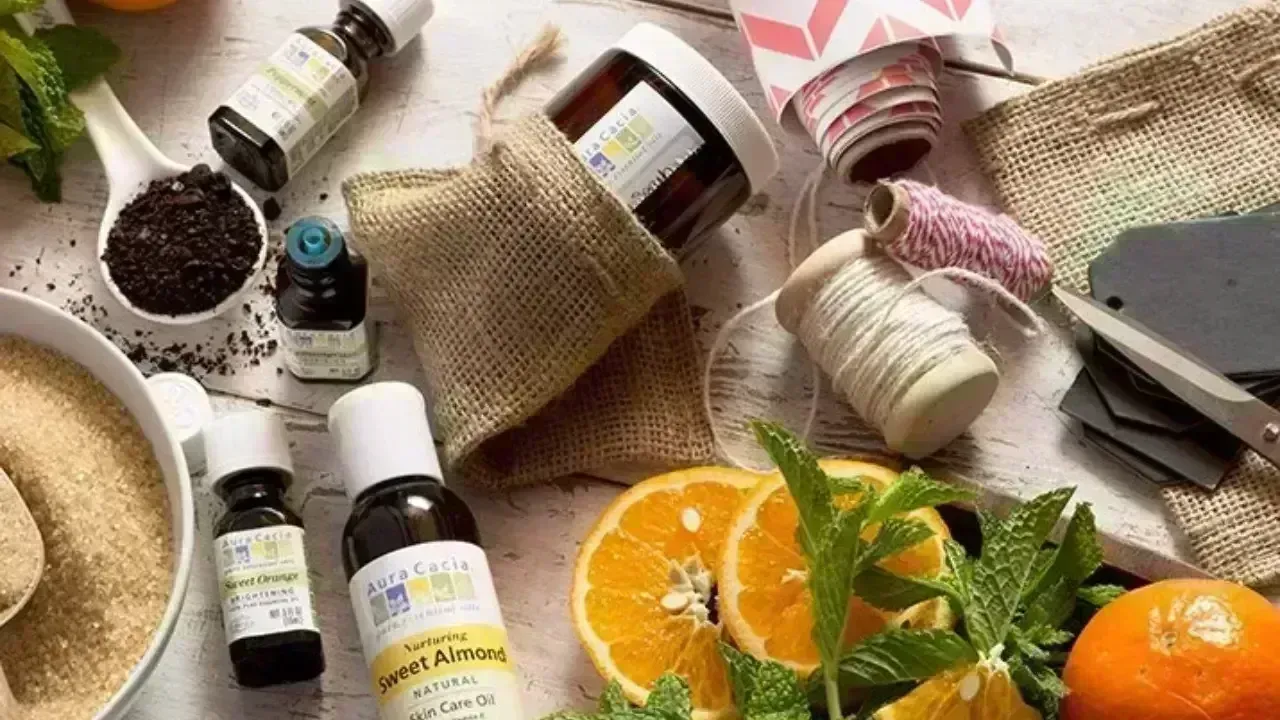
Interest in DIY skincare recipes, including homemade face masks and natural scrubs, continues to grow. Users are exploring ingredients like honey and aloe vera, motivated by concerns over chemicals and cost.
This trend shows a preference for transparency in what users apply to their skin. DIY skincare offers opportunities for personal experimentation, particularly for those with unique skin needs.
Simplified Beauty Routines
Inquiries for straightforward skincare and minimalist beauty rituals reveal fatigue with complex routines. Consumers prefer fewer products that provide multiple benefits.
This aligns with a greater emphasis on simplicity and sustainability. DIY beauty methods often prioritize consistent care over frequent changes in product selection.
Digestive and Gut Health Strategies
Home Remedies for Digestive Issues
Interest in gut health has intensified, particularly regarding natural solutions like fermented foods and herbal remedies. There's a burgeoning curiosity about digestion as fundamental to overall well-being.
This trend suggests increased awareness of the gut-brain connection. DIY gut wellness searches frequently incorporate nutrition and self-care routines, reflecting a holistic perspective rather than merely searching for quick fixes.
Homemade Fermented Foods
Interest in crafting probiotic foods indicates a resurgence in traditional practices. This trend reconnects modern lifestyles with ancestral wisdom on wellness.
DIY fermentation is appealing as it merges health benefits with creativity. Users enjoy both the process and the anticipated health advantages.
At-Home Cold and Heat Therapy
Practices for Cold Exposure
Interest in cold showers and exposure techniques is on the rise as users seek benefits related to mood and resilience. This trend suggests a willingness to face discomfort for perceived long-term benefits.
DIY cold therapy is appealing due to its low cost and ease of implementation. Search patterns indicate that individuals are engaging in cautious experiments rather than diving into extreme practices.
Heat Therapy Techniques
Searches for warm baths and muscle recovery methods indicate an parallel growing interest in comfort-based wellness. Heat treatments are commonly linked to recovery and relaxation.
The simultaneous popularity of cold and heat trends underscores the importance of personalization. DIY wellness emphasizes finding what methods work best for individuals rather than adhering to universal guidelines.
Digital Detox and Attention Restoration
Cutting Down on Screen Time
Rising concerns about screen time and mental focus are evident in search behaviors. Individuals are actively seeking ways to disconnect while still maintaining some connection to technology.
DIY digital detox strategies include scheduled breaks and mindfulness practices. This reflects a recognition that mental well-being is closely related to attention management.
Mindful Media Consumption
Searches for intentional media consumption indicate that users prefer to regulate quality rather than merely reducing quantity. DIY attention wellness focuses on substantive engagement.
This trend demonstrates a growing comprehension of how daily inputs shape mental health and not solely personal emotions.
Meal Planning for Balanced Nutrition
Flexible and Balanced Dietary Approaches
Search patterns reveal a shift away from strict diets towards more flexible, balanced meal strategies. People are eager for manageable eating patterns rather than harsh dietary rules.
DIY nutrition emphasizes adaptability, with individuals seeking guidelines that accommodate their busy lifestyles and cultural preferences.
Meal Prep for Enhanced Focus and Energy
Interest in meal prep linked to energy and productivity suggests that food is increasingly seen as vital fuel. DIY wellness advocates are connecting nutrition to mental performance and emotional balance.
This reflects a holistic approach to health where food contributes to daily functioning beyond just physical appearance.
The Implications of Search Insights
Search behavior provides authentic insights into what truly matters to people. Unlike filtered social media trends, search patterns often reveal private anxieties and practical needs. The rise of DIY wellness inquiries indicates a yearning for autonomy, a belief in personal learning, and skepticism towards over-commercialized solutions.
People aren't completely dismissing professional assistance; they are instead finding supplementary options. DIY wellness addresses the gaps caused by accessibility, cost, or time, allowing individuals to implement small, ongoing changes that resonate with their personal lives.
The Outlook for DIY Wellness
The landscape of DIY wellness is set to further shift toward customization and scientifically-backed simplicity. As individuals become better informed, their searches will evolve from basic queries towards refinement and enhanced techniques.
The future of wellness appears to be hybrid, shaped by scientific insights, informed by data, and tailored to personal experiences. DIY practices will remain vital due to their adaptability, cost-effectiveness, and the sense of ownership they confer over health.
Disclaimer:
This article reflects observed search behaviors and prevalent wellness trends. It is not a substitute for professional medical counsel. Individuals should seek personalized advice from qualified healthcare providers for specific health concerns.


 English