Post by : Sami
Al-Rahmani
Factors Influencing the Ease or Stress of Urban Living
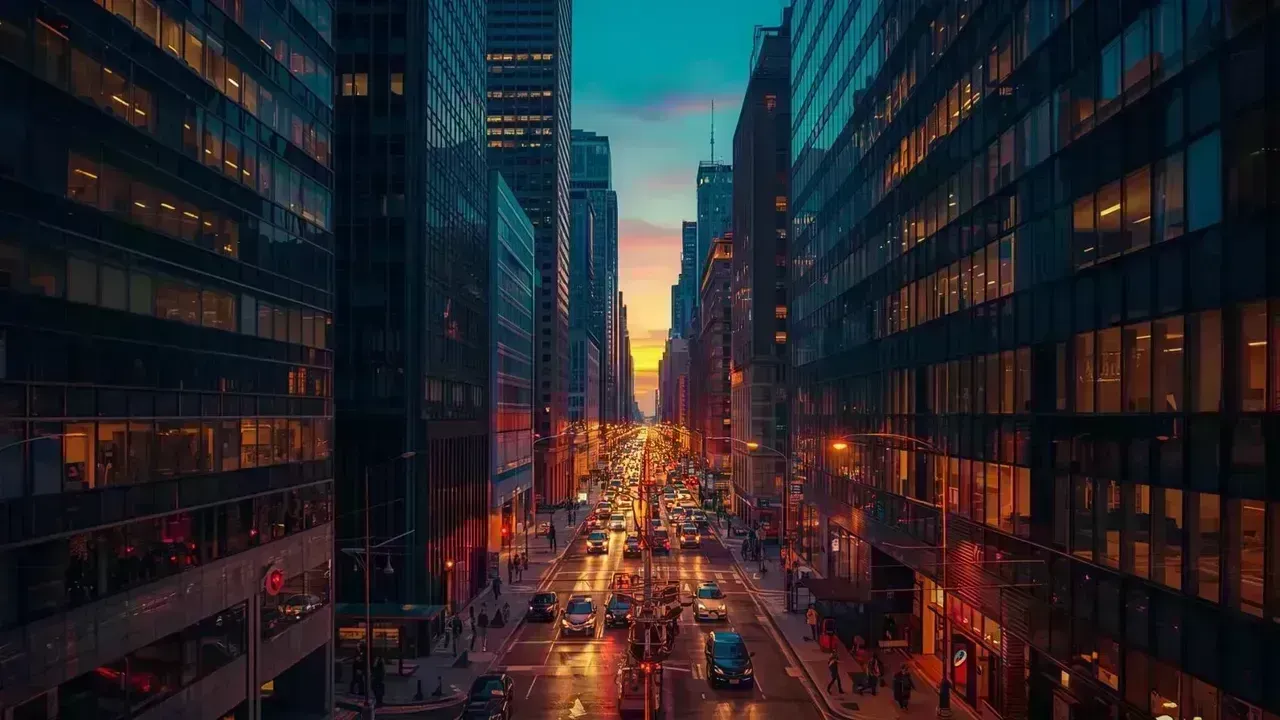
Many cities may offer similar advantages, such as salaries and infrastructure, yet one might feel more livable than another. This distinction isn't random; it arises from a combination of practical systems, daily challenges, and mental factors that fundamentally shape urban life.
People often misplace blame on themselves for feelings of fatigue or dissatisfaction, presuming they merely need to “adapt.” However, the truth is that some urban environments are inherently challenging while others strive to minimize mental and physical burdens. Recognizing these distinctions can help individuals make informed choices about where to live and assist policymakers in improving urban planning.
The Daily Struggles of Urban Living
At the core of whether a city feels comfortable lies the effort needed for daily tasks.
Time Spent on Essentials
Cities become exhausting when mundane activities demand excessive time. Long waits, slow services, and disorganized infrastructures add to the mental load. In contrast, easy cities enable residents to:
-
Swiftly complete errands
-
Access services with clarity
-
Smoothly transition between tasks
A seamless daily routine preserves energy for family, work, and rest.
Friction Versus Flow
Poorly planned cities compel residents to tackle issues regularly. Traffic detours, unclear signs, and erratic services lead to frustration, causing decision fatigue and anxiety over time.
Commute Pressures and Transport Design
Transportation significantly influences how livable a city feels.
Commute Duration and Dependability
A predictable 30-minute commute feels less stressful than an uncertain 20-minute one, as unpredictability breeds anxiety and disrupts life. Exhausting cities typically feature:
-
Long, unreliable commutes
-
Crowded or inconsistent public transport
-
Poorly managed road networks
Easy cities excel with:
-
Shorter commute distances
-
Reliable public transportation
-
Accessible walking and cycling routes
Daily travel should feel manageable, not like a survival test.
The Cost of Living Versus Income
Simply earning a high income does not equate to a comfortable urban life.
Financial Strain
Cities become draining when:
-
Housing costs consume a large part of income
-
Living expenses rise faster than earnings
-
Emergency costs feel overwhelmingly high
Even those with high incomes can feel financial stress when margins are narrow.
Psychological Assurance of Affordability
Easy-feeling cities provide:
Quality of Housing and Living Conditions
The environment impacts daily well-being.
Overcrowding and Design Challenges
Compact, poorly designed homes can lead to increased fatigue. Persistent noise, insufficient sunlight, and restricted personal space affect mental well-being.
Neighborhood Convenience
Cities feel more manageable when neighborhoods include:
Access to Nature and Green Spaces
Urban settings shouldn't be completely concrete.
Mental Rejuvenation through Nature
Accessible parks, green belts, and tree-lined avenues allow for natural respites, cutting down on the need for planned retreats.
Cities feel taxing when:
Noise and Sensory Overload
Urban environments constantly trigger senses, and the degree of stimulation dictates comfort.
Always On Alert
Traffic noise, crowded streets, aggressive ads, and visual distraction keeps individuals on high alert, resulting in fatigue even without exertion.
Comfortable Environments
Cities that promote ease:
Work Culture and Lifestyle Pace
The prevailing work ethos in a city influences residents during and after work hours.
Hustle-Driven Environments
Cities that glorify excessive labor create relentless pressure. Prolonged working hours and competitive settings make downtime feel undeserved.
Balanced Workplaces
The urban landscape feels more manageable when:
-
Efficiency is valued over long working hours
-
Rest is socially accepted
-
Personal time is honored
Cultural norms significantly influence stress levels.
Social Frameworks and Community Interaction
Cities are social systems, not just clusters of buildings.
Connection Facilitation
Feeling lonely in a city can be exhausting, regardless of efficiency. When social interactions feel awkward or forced, emotional energy declines rapidly.
Welcoming cities encourage:
Administrative Processes and Complexity
How systems interact with residents profoundly affects overall experience.
Office-Related Strain
Complicated forms, ambiguous regulations, and erratic enforcement create exasperation. When simple tasks require multiple interactions and clarifications, it becomes disempowering.
Trust in Systems
Accessible cities usually feature:
Safety and Personal Security
Feeling vulnerable perpetuates stress.
Visible and Hidden Safety
Cities feel taxing when individuals:
-
Are perpetually vigilant
-
Avoid specific locations or times
-
Feel uncertain during emergencies
Comfortable cities typically provide:
-
Trustworthy public safety
-
Well-maintained public areas
-
Swift emergency responses
Safety promotes relaxation.
Climate and Environmental Ease
Weather significantly influences energy levels more than acknowledged.
Adapting to Climate
Extreme weather conditions, pollution, or intense cold result in additional strain. Cities failing to adapt facilities to climate challenges increase fatigue.
Ideal cities:
-
Provide climate-appropriate housing
-
Offer shaded public areas
-
Control pollution levels
Environmental comfort supports daily resilience.
Cultural Norms and Societal Pressure
Implicit expectations can be exhausting.
Performance Pressures
Cities that constantly evaluate success and appearances heighten mental strain.
Embracing Diversity
Life feels lighter in cities when:
-
Varied lifestyles are accepted
-
Individuals are not constantly judged
-
Personal rhythms are acknowledged
Psychological freedom diminishes exhaustion.
The Impact of Urban Design on Mental Health
City planning directly affects mood and behavior.
People-Oriented Design
Cities prioritizing vehicles and efficiency often overlook human needs. Expansive roads, isolated structures, and lack of gathering spots contribute to alienation.
Cities that foster ease emphasize:
Why Some Flourish While Others Feel Overwhelmed
Urban experiences differ by individual.
Personal Fit
A city seems easy when it aligns with:
Choosing Your Ideal City
Instead of determining the best city, consider:
-
What is the daily effort required here?
-
Do I find this environment energizing or draining?
-
Can I easily recuperate from stress?
The right city should support your well-being rather than constantly challenge it.
Final Thoughts on Easy Versus Exhausting Cities
Cities do more than accommodate life; they influence it. An easy city minimizes friction and promotes growth without perpetual struggles. Conversely, exhausting cities deplete time, focus, and emotional resources.
Understanding these elements can help individuals make better living choices and encourage leaders to adopt designs prioritizing human welfare over mere economic considerations.
Disclaimer
This article serves informational purposes only and reflects general urban living insights. Personal experiences may vary based on individual circumstances and local contexts. It should not be interpreted as expert advice on urban planning or personal relocation.


 English