Post by : Shweta
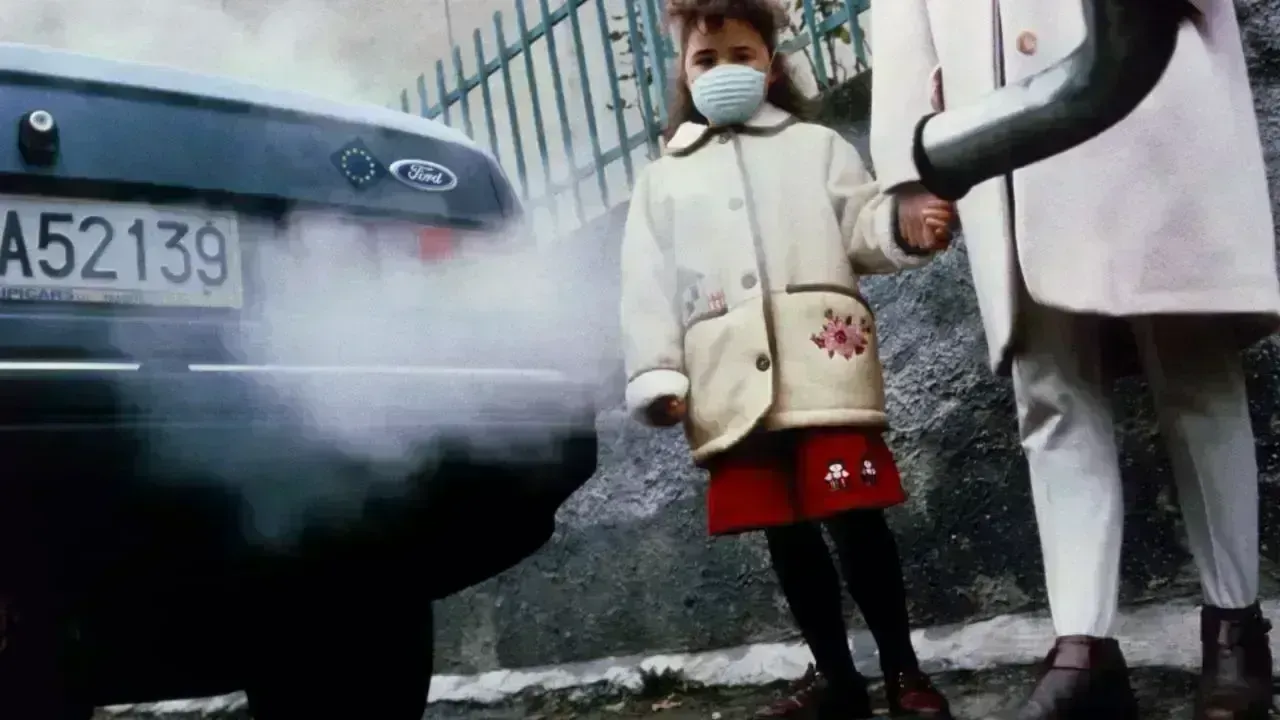
Air pollution is increasingly recognized as one of the foremost public health issues globally, resulting in millions of premature deaths each year and severely impacting the lives of billions in both wealthy and developing nations. Experts label pollution as a "silent killer" due to its gradual yet damaging effects on vital organs like the heart, lungs, and brain.
The World Health Organization (WHO) reports that air pollution contributes to nearly seven million premature fatalities yearly. Tiny, toxic particles from polluted air infiltrate deep within the body, heightening the risk of grave ailments, including asthma, lung cancer, heart attacks, and chronic respiratory diseases. Vulnerable groups, such as children, the elderly, and individuals with pre-existing health issues, are particularly at risk.
Numerous major urban areas across Asia, Africa, Europe, and Latin America continue to battle hazardous pollution levels driven by vehicle emissions, industrial output, construction activities, coal combustion, and wildfires. Rapid urbanization and industrialization have exacerbated air quality issues, particularly in densely populated cities where the population is continuously exposed to polluted air.
Research highlights the long-term impact of air pollution on not only physical health but also mental well-being, with studies linking poor air quality to increased rates of anxiety, depression, dementia, and developmental delays in children. Experts stress that pollution adversely affects nearly all bodily systems.
The negative effects of climate change have further compounded the air quality crisis in several regions. Escalating temperatures, droughts, and wildfires elevate the levels of smoke and airborne contaminants. Environmental specialists assert that pollution and climate change represent intertwined global challenges that demand urgent international collaboration and robust environmental policies.
In many low-income nations, indoor air pollution poses another serious challenge. Countless households continue to depend on harmful fuels like wood and coal for cooking, resulting in severe respiratory diseases and significantly higher mortality rates among women and young children due to indoor smoke.
Governments worldwide have begun implementing stricter environmental policies to mitigate pollution levels in recent years. Initiatives promoting electric vehicles, curtailing industrial emissions, investing in renewable energy, and enhancing public transit systems have led to some improvements in air quality. However, experts caution that advancements are too slow compared to the scale of the issue.
Environmental activists are pressing for stronger governmental action against industries responsible for high pollution outputs. Campaigners contend that profit often takes precedence over environmental and public health concerns. Human rights advocates increasingly argue that clean air should be recognized as a fundamental human right that must be safeguarded by governments.
Economically, air pollution incurs substantial global costs. It drives up healthcare expenses, decreases worker productivity, and places immense strain on healthcare systems and national economies. Researchers estimate that billions of dollars are lost each year due to health issues and fatalities linked to polluted air.
While awareness about air pollution is growing, many individuals still do not fully grasp its long-term risks. Experts recommend protective measures like wearing masks in polluted areas, using indoor air purifiers, minimizing vehicle use, and advocating for cleaner energy solutions to lower personal exposure.
International organizations are urging collaborative global efforts to combat air pollution through improved energy solutions, enhanced environmental regulations, and sustainable city planning. Health experts caution that without decisive action, pollution-related deaths could escalate in the coming decades as populations rise and climate challenges become more pronounced.
Analysts point out that air pollution has shifted from being merely an environmental issue to one of the most pressing health crises of our time. As nations strive to balance economic growth with environmental stewardship, experts advocate for immediate actions to avert millions of future deaths linked to air contamination.


 English