Post by : Bianca
Haleem
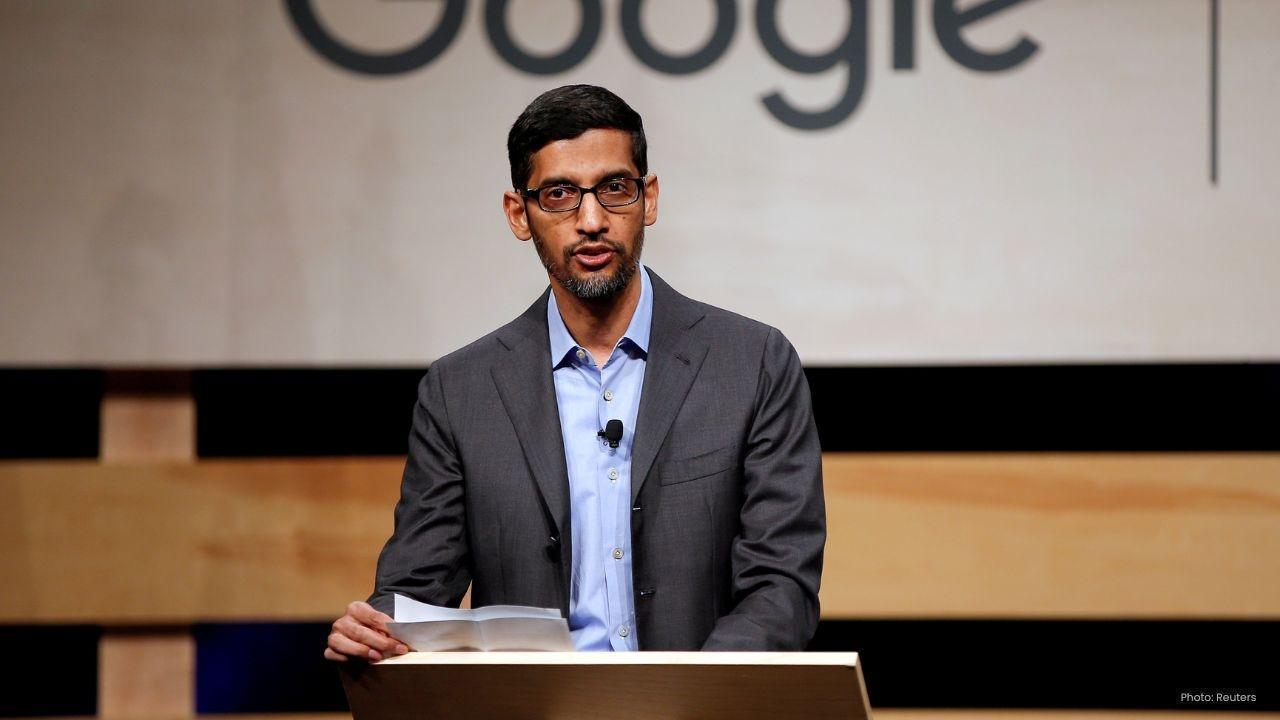
The rapid influx of investment in artificial intelligence (AI) is generating both enthusiasm and concern within the tech industry. Sundar Pichai, CEO of Alphabet, which is Google's parent company, recently evaluated the potential risks of an AI bubble bursting, emphatically stating that no corporation, including Google, is entirely safe from such an occurrence.
In recent months, the AI sector has seen a remarkable surge in both valuations and financial support. Alphabet's market capitalization has doubled to $3.5 trillion over just seven months, while Nvidia, a leader in AI chip manufacturing, has reached an impressive valuation of $5 trillion. This swift growth has left some experts wary, fearing that it stems from excessive optimism and inflated expectations.
Pichai characterized the ongoing AI expansion as an "extraordinary moment," recognizing signs of "irrationality" amid this excitement. He likened the current AI climate to the dotcom bubble of the late '90s, suggesting that investments may overshoot before stabilizing into sustainable growth trajectories. Regardless, he expresses confidence in AI’s long-term relevance and potential.
What differentiates Google, according to Pichai, is its holistic approach to technology. By managing everything from custom AI chip designs to data handling and advanced model development, Alphabet is better equipped to navigate market changes compared to those solely dependent on external suppliers.
Global Investments and UK Expansion
Alphabet is not limiting its focus to the U.S. alone. The company has announced a substantial £5 billion investment in the UK over the next two years to enhance AI research and infrastructure. This includes bolstering operations at DeepMind, Google's premier AI research facility based in London, and locally training AI models, a significant step toward establishing the UK as a leader in the global AI scene.
Energy Consumption Challenges and Environmental Goals
Despite the enthusiasm surrounding AI, Pichai underscored a rising concern: the industry’s considerable energy demands. Last year, AI technologies accounted for around 1.5% of global electricity consumption, a figure expected to grow. This rising demand is hindering Alphabet's efforts to meet its climate targets, yet the company remains dedicated to achieving net zero emissions by 2030 through innovative energy solutions.
Transformations in Employment and Society
The AI transformation is set to redefine work paradigms. Pichai referred to AI as “the most significant technology” humanity has created, acknowledging that its rise brings challenges. Some positions may evolve, necessitating that workers adapt to effectively utilizing AI tools. Those who embrace this evolution are predicted to flourish, while traditional occupations such as teaching and healthcare will continue to thrive but will require new AI-enhanced capabilities.


 English