Post by : Saif
Al-Najjar
India experienced an unexpected loss at home as New Zealand clinched the ODI series 2-1. This marked the first time in three years that India has lost an ODI series on home soil, amplifying the disappointment for both players and fans. Following impressive victories against teams like Australia and South Africa, hopes were high, but New Zealand's strategic play revealed multiple vulnerabilities in the Indian lineup.
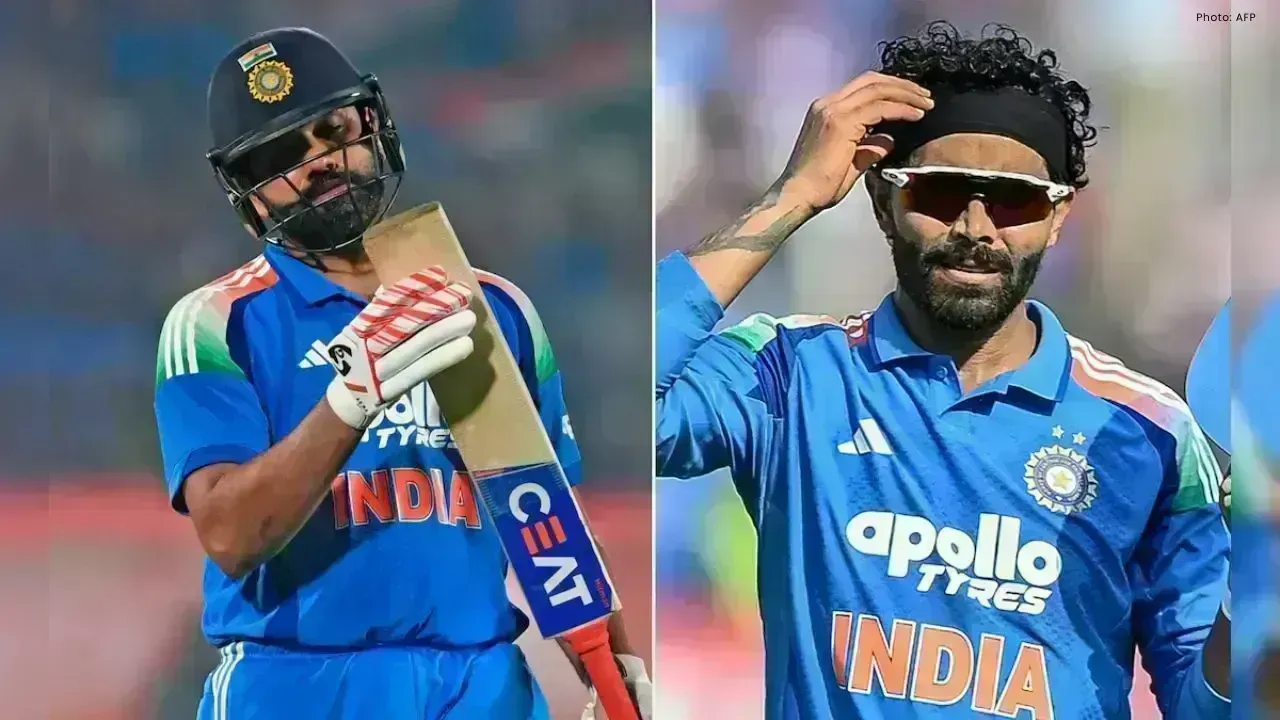
A significant issue was Rohit Sharma's inconsistency as the opening batsman. Renowned for his aggressive style and dominance during the powerplay, Rohit struggled to establish a rhythm throughout the series. Instead of providing quick starts, he appeared hesitant and cautious, compelling his teammates, especially Shubman Gill and Virat Kohli, to bear the burden of scoring runs early. Assistant coach Ryan ten Doeschate noted that Rohit seemed short of match practice, something evidently reflected in his overall performance.
Ravindra Jadeja’s lackluster performances further compounded India's troubles. Typically a dependable contributor with both bat and ball, Jadeja failed to make his mark in this series. His bowling during the middle overs lacked effectiveness, allowing New Zealand's batters to score freely. In the final ODI, he conceded 41 runs in six overs without taking a single wicket, highlighting his struggles. With the bat, he managed scores of just 4, 27, and 12, raising doubts about his current form and role within the team. India certainly missed the calming influence and consistency Jadeja usually brings to matches.
The collapse of the middle order was another pivotal factor in the series defeat. In the crucial third ODI, India plummeted from a solid 28 without loss to 71 for 4 in just nine overs. Shreyas Iyer and KL Rahul were unable to cope with New Zealand’s disciplined pace attack. Although Virat Kohli's 124 runs were impressive, he received minimal support from his teammates. Nitish Kumar Reddy showed resilience with a quick-fire 52, but the scarcity of partnerships meant that India ultimately came up short when it mattered most.
In summary, this series revealed distinct weaknesses in India’s ODI configuration. Poor start, ineffective all-round contributions, and recurring middle-order failures significantly hindered their performance against a meticulous New Zealand squad. While defeats are part of the sport, losing on home turf serves as a clear warning. The team management now faces critical choices to address these issues before future competitions.
This loss should act as a motivational lesson rather than a setback. With thoughtful reflection, improved strategies, and enhanced performance from veteran players, India has the potential to rebound stronger. The talent exists, but it is consistency and accountability that will define the team’s trajectory moving forward.


 English