Post by : Shakul
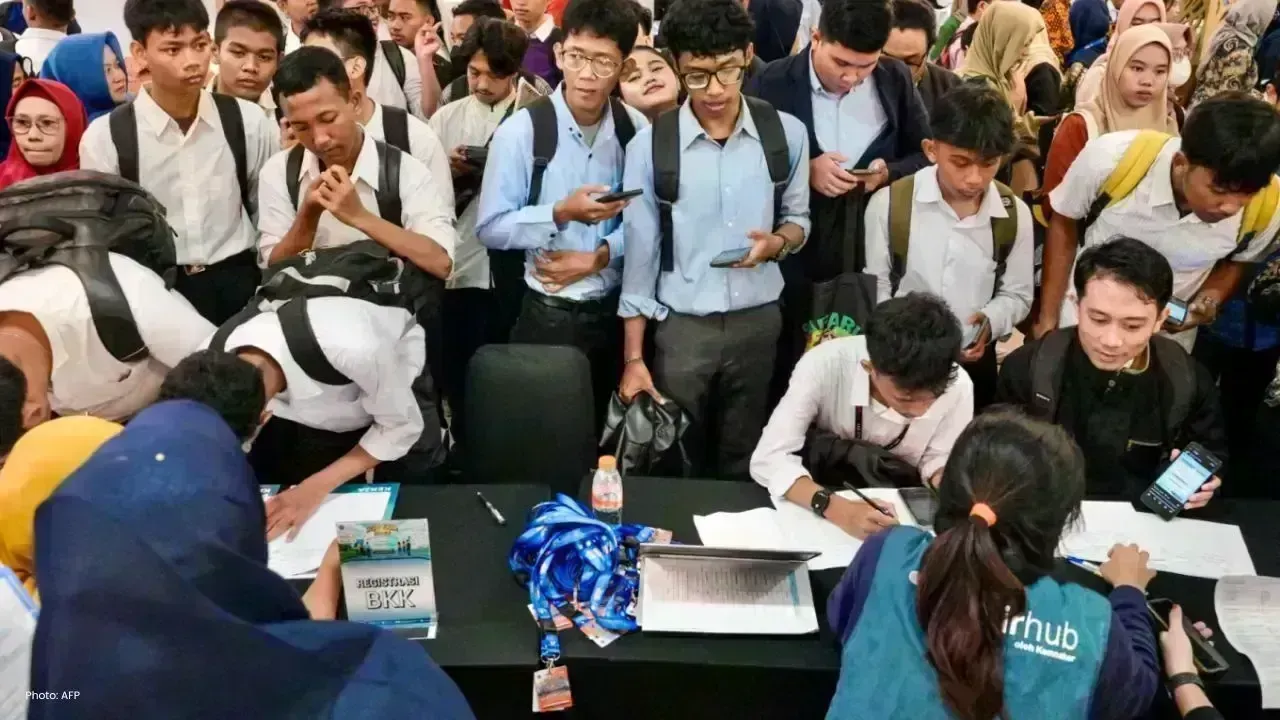
Recent reports indicate a drop in Indonesia's unemployment rates, suggesting a rebound in the nation's labor market and overall economic recovery. However, this positive trend also reveals a significant rise in the number of workers engaged in informal sector roles, raising alarms about job quality, income security, and protections for these individuals. Analysts assert that this shift points to persistent structural issues within Indonesia's economic framework.
Discussions surrounding labor markets show that an increasing number of individuals are opting for informal jobs instead of stable positions in the formal economy. Jobs in the informal sector include temporary roles, freelance opportunities, street vending, and small-scale trading—often devoid of legal contracts, social security, health insurance, and long-term financial assurance. Economists explain that this transition reflects the evolving job landscape in Indonesia, the largest economy in Southeast Asia.
The fall in unemployment rates is generally viewed as an encouraging sign of recovery for businesses and economic activities following prolonged global economic challenges. Government initiatives aimed at bolstering investment across sectors such as tourism, manufacturing, and digital industries have played a crucial role in fostering job creation. Nevertheless, experts emphasize that many of these new positions are primarily within lower-income and unstable job categories.
Concerns regarding the expansion of informal employment have come to the forefront among labor specialists and policymakers in Indonesia. Individuals in the informal economy often confront irregular pay, unpredictable working hours, and nil access to healthcare and retirement benefits. A significant portion of these workers remains outside the national labor protection framework, rendering them vulnerable during economic downturns or crises.
Economic analysts point to multiple factors fueling informal employment growth in Indonesia. Accelerated urbanization, population surges, technological advancements, and shifting business models have culminated in a labor market where flexible and short-term roles are proliferating faster than full-time positions. There has also been a notable rise in small-scale businesses and jobs offered through digital platforms.
Young individuals and first-time job seekers are particularly affected by the informal job growth. Many recent graduates find themselves unable to secure stable roles within the formal economy and are turning to freelance, gig economy work, or self-employment as income sources. Experts caution that this trend could hinder long-term income growth and career advancement prospects.
Despite these challenges, Indonesia's economy remains robust compared to many other regional markets. Increased domestic spending, infrastructure projects, and digital business growth continue to stimulate economic activity and job openings. Authorities maintain a hopeful outlook that more substantial industrial investment and economic reforms will yield further formal job options in the future.
Labor market scholars emphasize that improving job quality is now as critical as merely reducing unemployment rates. They highlight that economic growth can be superficial unless workers also gain access to fair wages, legal protection, healthcare, and social security. Additionally, enhancing vocational education and skills development is deemed crucial for equipping workers for better quality employment opportunities.
The latest employment dynamics in Indonesia reveal both advancements and ongoing hurdles in the country's labor market. Although lowering unemployment is seen as a gain for the economy, the increasing reliance on informal jobs underscores the pressing necessity for more robust labor policies and strategic economic planning. Policymakers are anticipated to keep prioritizing a balance between economic expansion and sustainable, secure job opportunities for millions of workers across Indonesia.


 English