Post by : Saif
Al-Najjar
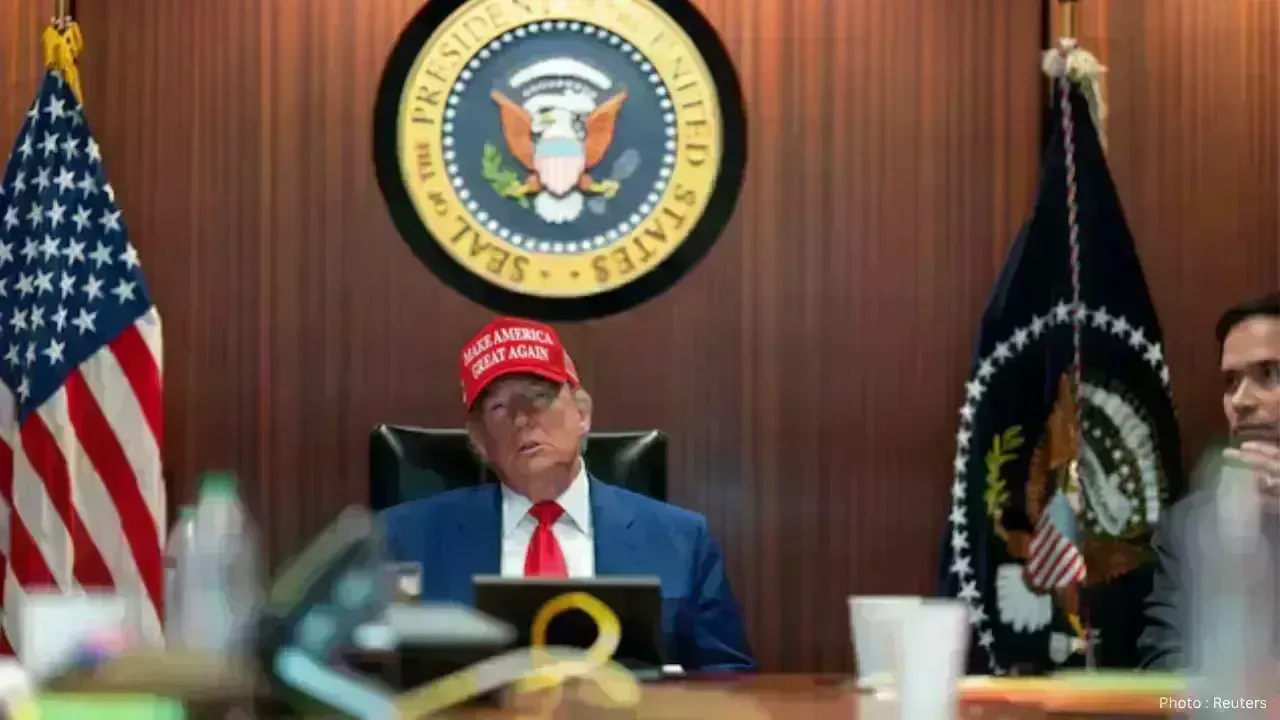
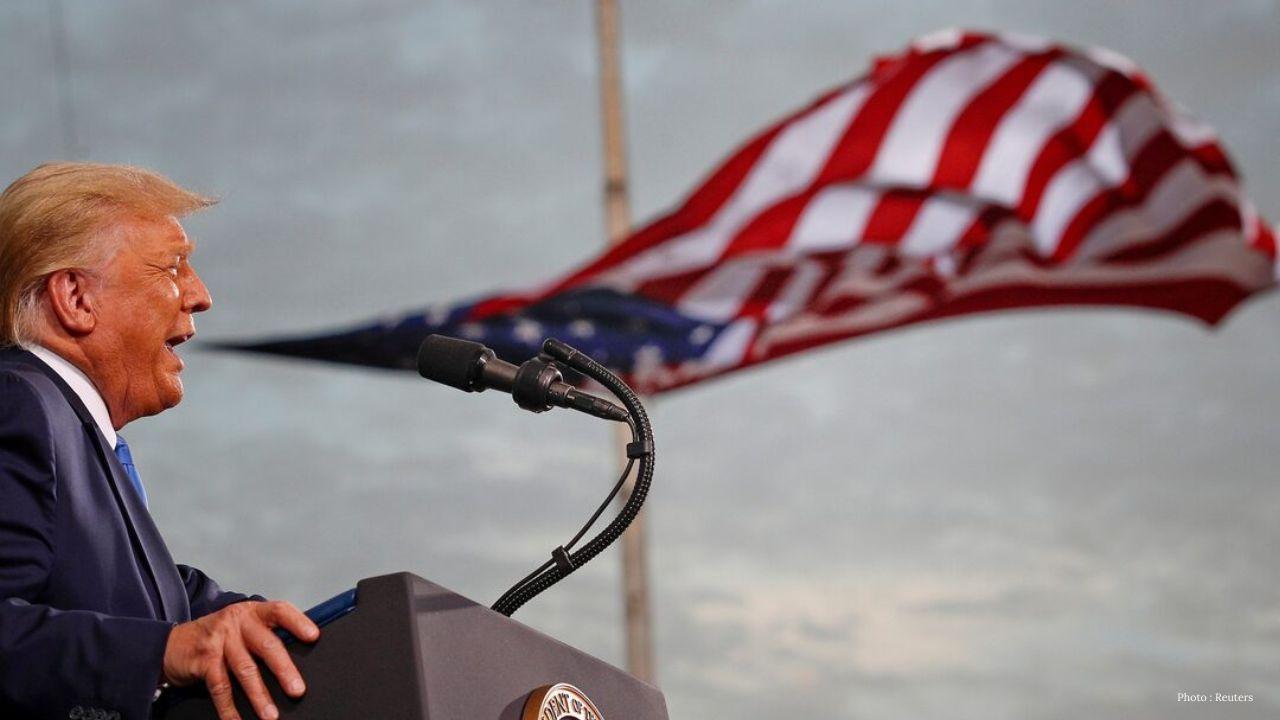
The 2026 crisis in the Strait of Hormuz has triggered significant global alarm, with U.S. President Donald Trump facing increasing pressure amid rising oil prices. Evolving tensions between the United States and Iran are affecting worldwide markets and political stability.
The conflict escalated in late February 2026 when the U.S. and Israel executed airstrikes on Iranian targets aimed at curbing Iran's nuclear development and regional influence. Despite the operation, clarity on its effectiveness remains elusive, as Iranian resistance continues and diplomatic positions remain polarized.
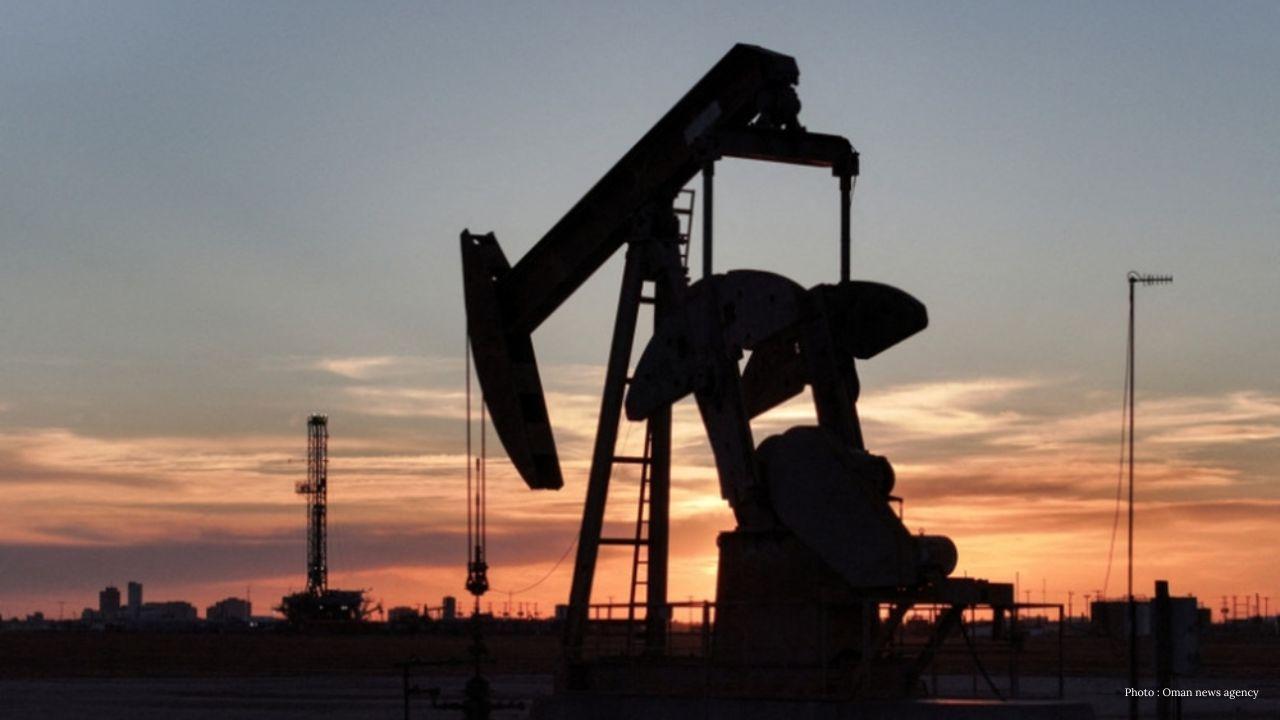
One of the crisis's most critical impacts has been on oil transport through the Strait of Hormuz, a crucial route for global energy supplies. Iran's strategic maneuvering within this area has sown uncertainty, severely curtailing oil movements and thereby driving prices upward—a trend with pervasive repercussions on global economies.
American consumers are palpably feeling the economic impact, as fuel prices rise, elevating living expenses significantly. Increased transportation and manufacturing costs are pressuring businesses, turning this economic turmoil into a pressing political challenge for President Trump.
Public sentiment towards the administration has waned recently, with growing skepticism regarding the motivations behind this conflict, especially in the absence of discernible outcomes. Critics contend that rather than resolving issues, the crisis has exacerbated domestic hardships and fostered global instability.
Mixed messages from the U.S. government regarding the conflict's status have compounded the confusion. Although claims arose about decreased hostilities following a temporary truce, military maneuvers have persisted, leaving ambiguity over whether the crisis is calming or escalating anew.
Furthermore, the situation has strained U.S. relations with allies, particularly in Europe, where concerns have surfaced regarding unilateral military actions without prior consultation. Discontent within international coalitions may hinder collaborative responses to the crisis.
Economically, the repercussions stretch globally as countries dependent on oil imports feel the pinch of surging prices. Experts caution that prolonged unrest could stifle economic growth and place additional financial burdens on developing nations.
Despite military setbacks, Iran has successfully maintained its strategic position by leveraging critical shipping lanes to exert pressure on global markets, thereby precluding easy resolution of the conflict.
There is a growing fear that this crisis could evolve into a drawn-out standoff, with neither side achieving a clear resolution, potentially resulting in ongoing economic turmoil and an elevated risk of sudden flare-ups.
The 2026 crisis in the Strait of Hormuz presents considerable global challenges. What began as a decisive military action has morphed into a complex, ongoing dilemma. For Donald Trump, the ramifications include mounting economic pressures, diminished public support, and heightened international uncertainty. The weeks ahead will be pivotal in determining whether a peaceful resolution emerges or further tensions ensue.


 English