Post by : Shweta
Tensions escalate between Iran and the United States as skirmishes near the Strait of Hormuz threaten the fragile ceasefire. Iranian officials scoffed at Washington's pressure tactics, while the U.S. anxiously awaits Tehran's response to a new peace proposal meant to conclude weeks of hostilities in the Gulf.
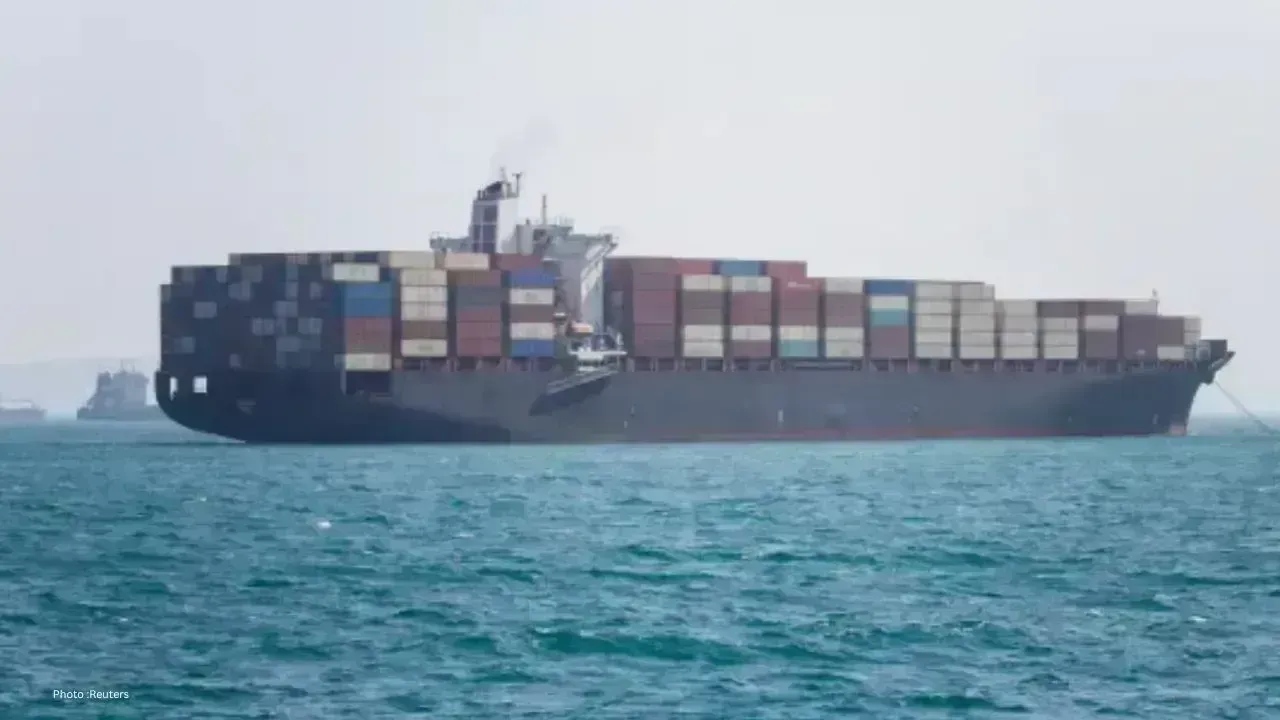
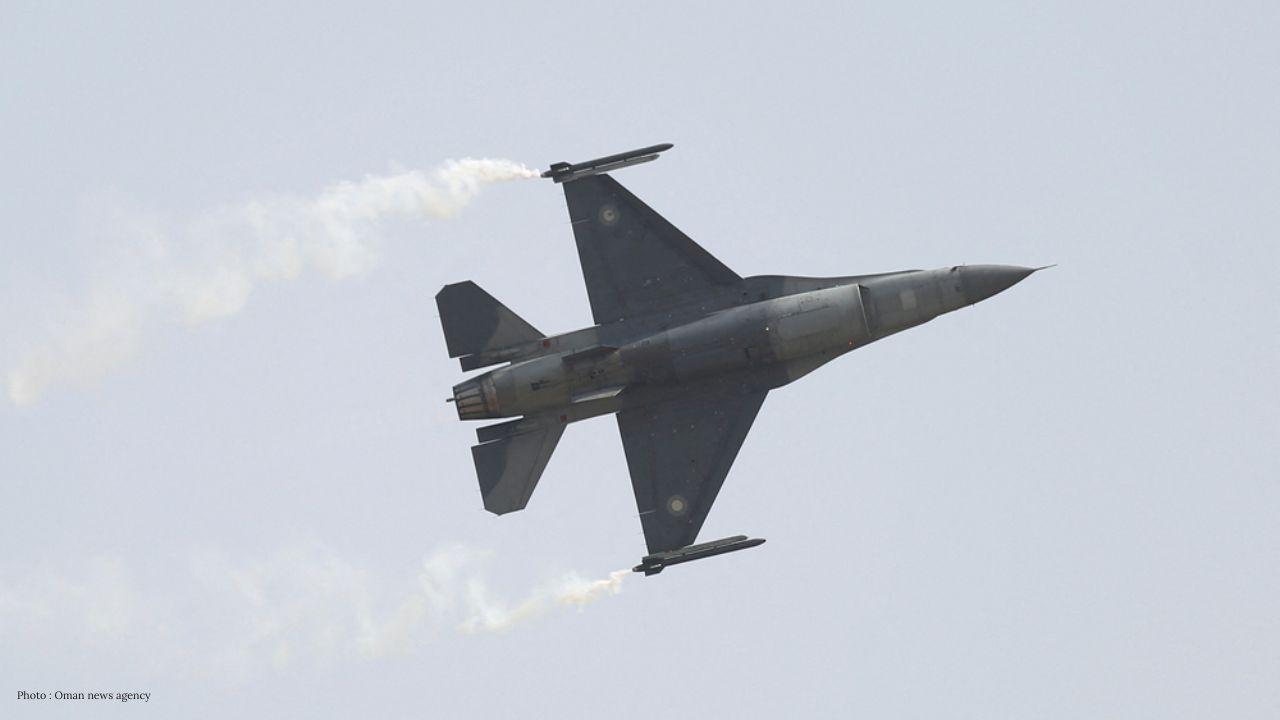
Recent military confrontations occurred in the strategic Strait of Hormuz, vital for global oil transport. U.S. authorities reported that Iranian drones, missiles, and fast boats targeted American naval destroyers in transit. The U.S. military claimed that it intercepted these attacks and retaliated against Iranian military sites linked to the incidents.
President Donald Trump confirmed that U.S. vessels faced fire but insisted the ceasefire was technically intact despite ongoing violence. He cautioned Iran that severe military consequences could follow if tensions escalate further. Additionally, Secretary of State Marco Rubio emphasized that U.S. forces would swiftly respond to any future threats against personnel or naval assets in the Gulf region.
Iranian officials condemned the U.S., accusing it of breaching the ceasefire first. They claimed recent U.S. airstrikes targeted civilian infrastructure, ships, and areas near the Strait of Hormuz. Iranian media characterized U.S. blockades as “piracy,” vowing to protect territorial and maritime interests.
This military flare-up coincides with Washington's anticipation of Iran's feedback concerning a proposed temporary truce and negotiation framework. Reports indicate the U.S. proposal includes a short-term ceasefire, reopening of shipping lanes, and initiation of broader diplomatic talks. However, Iranian leadership has yet to publicly accept these conditions, continuing to call for an end to U.S. military pressures and naval restrictions before any formal progress.
The uptick in military activity in the Gulf raises concerns over global energy supplies, given that the Strait of Hormuz is crucial for oil shipments worldwide. Disruptions to shipping and recent attacks have already strained international trade and caused oil prices to rise. Analysts caution that further escalation could severely impact the global economy if commercial shipping through the strait is entirely obstructed.
Iranian state media and political representatives publicly ridiculed U.S. threats, interpreting Washington's actions as signs of weakness. Some Iranian officials contend that the U.S. is struggling to force Tehran into unfavorable situations amidst ongoing military operations.
Despite the enduring conflict, diplomatic channels remain open. Various international mediators, including Qatar, Pakistan, Turkey, and several Gulf nations, are reportedly urging both nations to avert a broader regional conflict. The United States has expressed willingness to engage in negotiations if Iran reacts seriously to the recent proposal but cautioned that military preparedness in the region remains exceptionally high.


 English