Post by : Saif
Al-Najjar
Iran's foreign minister, Hossein Amir-Abdollahian, is in Pakistan as world focus shifts to escalating tensions between Iran and the US. His visit coincides with Donald Trump’s expectation for Iran to put forward an offer that meets American stipulations.
This scenario underscores a pivotal point in ongoing diplomatic negotiations. Despite rampant tensions, both sides appear to be leaving pathways for dialogue. By reaching out to Pakistan, Iran signals an interest in managing external pressures without directly confronting the United States.
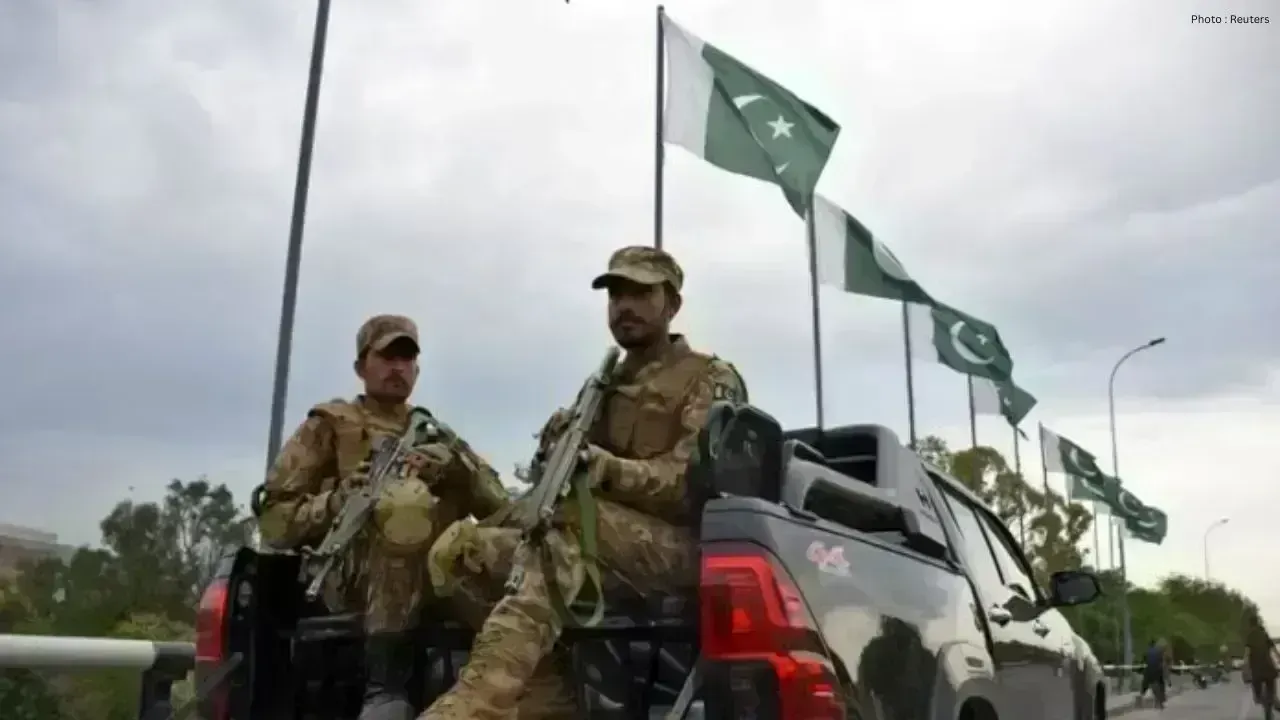
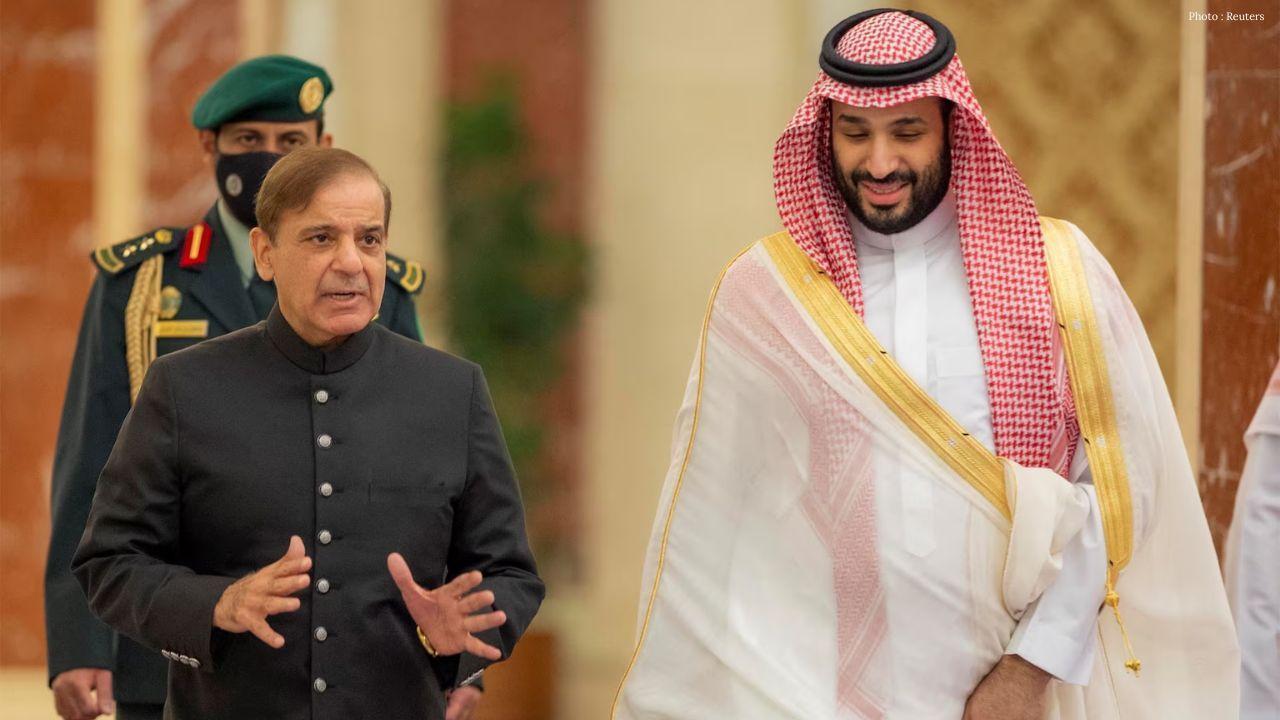
Pakistan's role in this landscape is significant. Sharing a border with Iran, it maintains working relationships with both Tehran and Washington, making it uniquely positioned to serve as an intermediary. Through hosting discussions and facilitating communication, Pakistan aims to mitigate tensions and avert escalation.
During this visit, Amir-Abdollahian is anticipated to converse with high-ranking Pakistani officials about security measures, trade partnerships, and regional stability. A key discussion point may revolve around border security, as both nations grapple with cross-border movements and militant threats. Enhanced collaboration in this realm is mutually beneficial.
Moreover, economic cooperation features prominently on the agenda. Iran seeks to bolster trade ties with its neighbors to alleviate the impact of US sanctions, while Pakistan, in need of energy and trade options, stands to gain from strengthened relations. However, international pressures often put constraints on such cooperation.
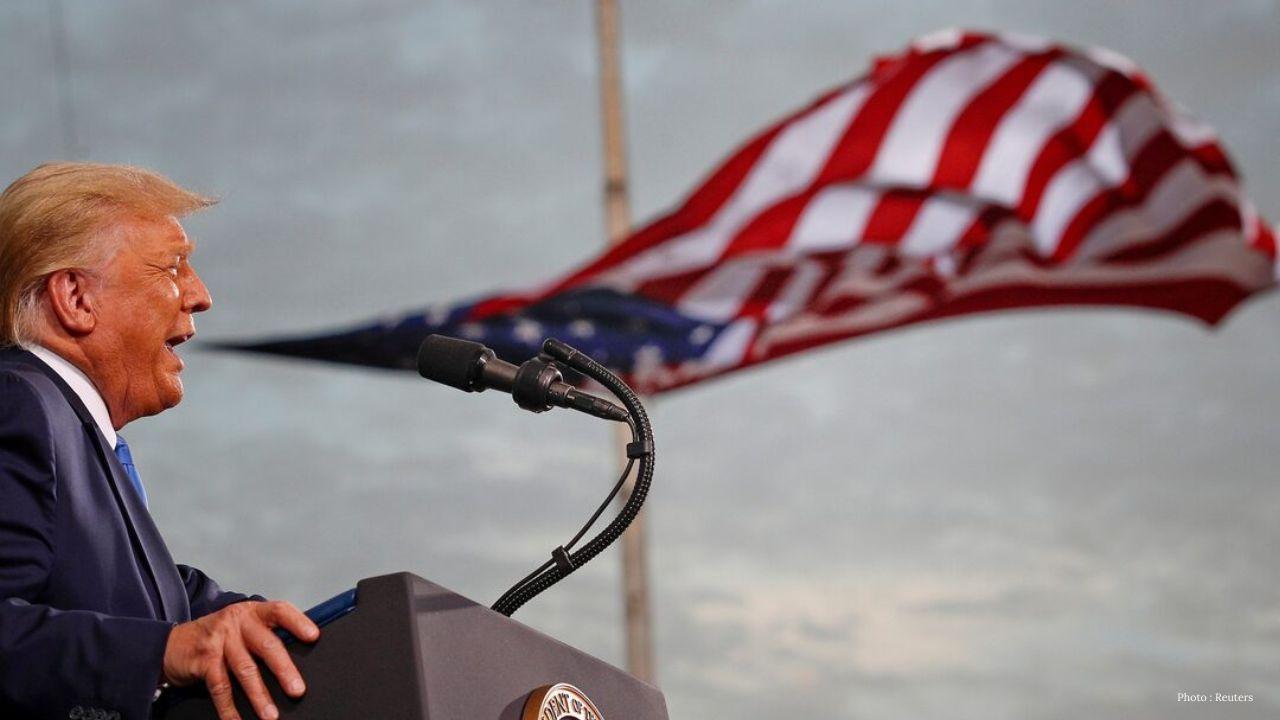
Under Donald Trump’s administration, the United States has sustained robust pressure on Iran through economic sanctions and political demands aimed at limiting its nuclear ambitions and regional sway. Trump’s recent remarks indicate that Washington is still on standby for a substantial offer from Tehran before considering any agreements.
This dynamic places Iran in a challenging position. On one hand, it desires relief from sanctions that have adversely affected its economy; on the other hand, it is wary of appearing subordinate by yielding to all US demands. Thus, Iran is likely to endeavor to bolster regional connections while deliberating its forthcoming actions carefully.
The complexity of the situation is compounded by wider regional tensions. Entities like Israel remain apprehensive regarding Iran's maneuvers, and unresolved conflicts involving groups such as Hezbollah complicate the search for straightforward solutions.
For Pakistan, the imperative is to sustain equilibrium. It must navigate its relationship with the US while simultaneously cooperating with Iran on regional matters. Any pivot in its stance could result in diplomatic and economic ramifications.
Public sentiment is also a critical factor. Globally, observers are keenly interested in whether diplomatic efforts will yield positive results or falter. A successful outcome could alleviate tensions and foster stability; conversely, a failure to progress may heighten the risk of conflict.
The coming days are poised to be significant. Should Iran present an offer satisfying US expectations, it could pave the way for substantial diplomatic negotiations. This could reduce tensions and lead to a new agreement. Yet, if both sides hold firm, uncertainty may linger.
Iran’s outreach efforts to Pakistan indicate that dialogue remains a viable option, even amidst a backdrop of heightened tensions, reflecting an initiative to maintain open lines of communication while addressing pressures from dominant global forces.


 English