Post by : Saif
Al-Najjar
Japan’s Prime Minister has raised alarms regarding the substantial effects of the ongoing conflict in Iran and the ensuing oil crisis on Asia-Pacific nations. This statement underscores increasing worries concerning energy supply, skyrocketing costs, and economic strain within this vital global region.
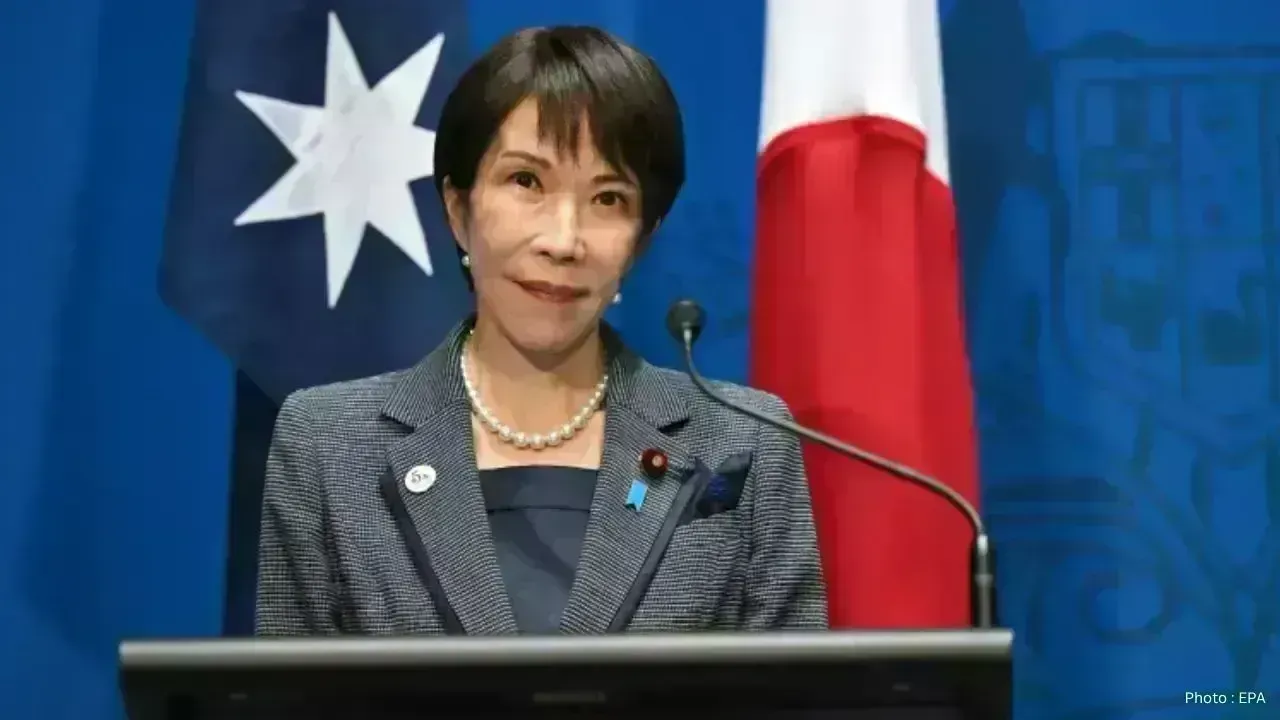
Sanae Takaichi made these observations during her trip to Australia, focusing on energy security and collaboration with neighboring countries. She mentioned that the current turmoil is having an “enormous impact” across the Asia-Pacific, largely due to the disruptions in oil supply chains worldwide.
A significant driving factor in this crisis is the reduced shipping activity through the Strait of Hormuz, a pivotal corridor for global oil transit. This narrow waterway usually sees about one-fifth of the world’s oil flowing through it, with nearly 80 percent directed towards Asian markets.
The ongoing conflict has led to diminished shipping traffic, resulting in an oil shortage. Consequently, fuel prices are rising, exerting additional economic pressure on nations that rely extensively on imported energy.
Countries in the Asia-Pacific are severely impacted due to their substantial reliance on Middle Eastern oil. Nations like Japan, India, China, and South Korea depend heavily on this channel for a significant portion of their energy requirements.
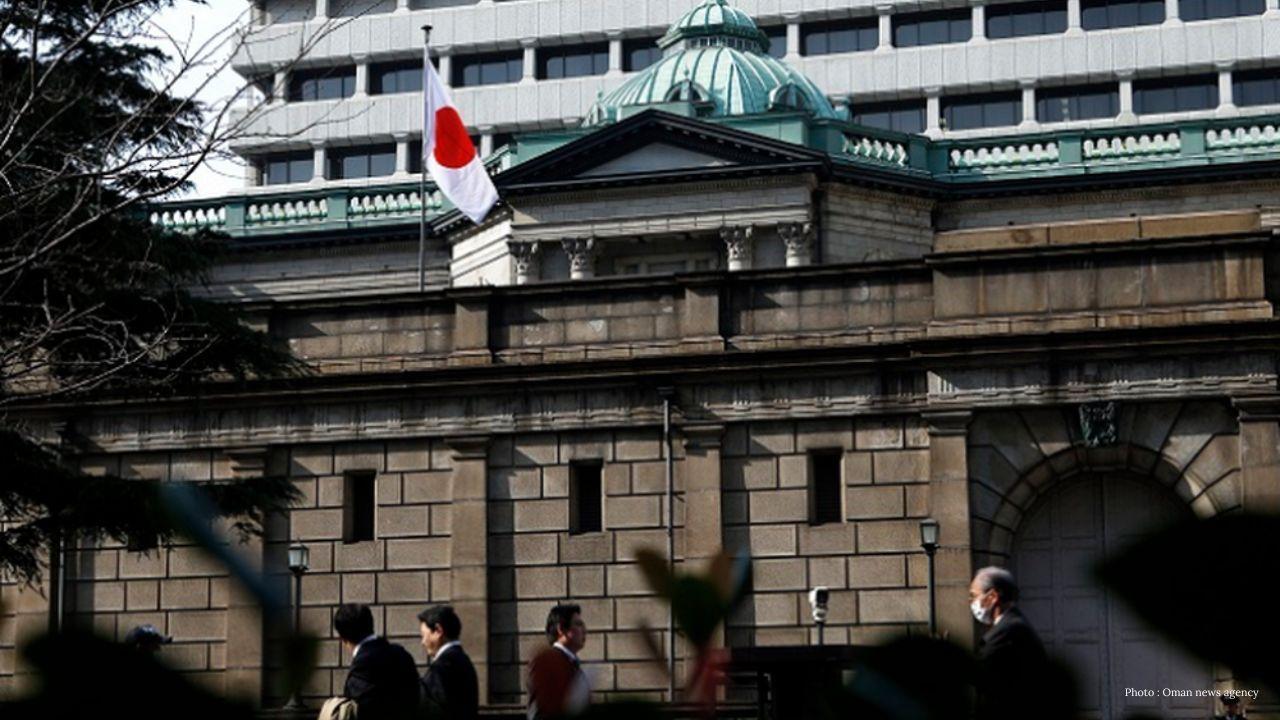
Japan, being highly reliant on oil imports – predominantly from the Middle East – finds itself particularly exposed during such disruptions. While Japan maintains considerable reserves, the persistent instability is still causing economic strain and uncertainty.
The repercussions extend beyond fuel costs. Increasing energy prices are influencing various aspects of everyday life, including transport, electricity, and manufacturing processes. Businesses face elevated production costs, potentially leading to higher consumer prices.
In response to these challenges, Japan and Australia have committed to enhancing their collaboration on energy security. Their strategy includes bolstering ties concerning fuel supply and essential minerals, with a view to lessen reliance on unstable regions.
This approach reflects a growing trend among nations to seek long-term solutions that avert similar disruptions in the future. A focus on diversifying energy sources and fostering robust partnerships is emerging as a vital strategy.
The crisis also brings to light a broader issue – many nations' overdependence on a singular region for energy. Conflicts affecting that region resonate globally, creating widespread ramifications.
From an editorial standpoint, the current situation serves as a cautionary tale for world leaders, highlighting the intricate links between energy, politics, and economic stability. A regional conflict can lead to significant repercussions far beyond its immediate locale.
This crisis poses new challenges for the Asia-Pacific, a region pivotal to global economic growth. Should the circumstances persist, they may impede economic advancement and increase fiscal burdens for both governments and their citizens.
Conversely, this crisis could catalyze countries to explore investments in alternative energy sources like solar, wind, and nuclear power, fostering long-term resilience.
For the time being, efforts are focused on managing the immediate fallout. Governments are striving to ensure steady supplies, stabilize prices, and shield their economies from further detriment.
The warning from Japan’s Prime Minister underscores the gravity of the situation. The ensuing weeks will be crucial in determining whether the crisis abates or continues to impact millions in the Asia-Pacific.


 English