Post by : Raina
Al-Fahim
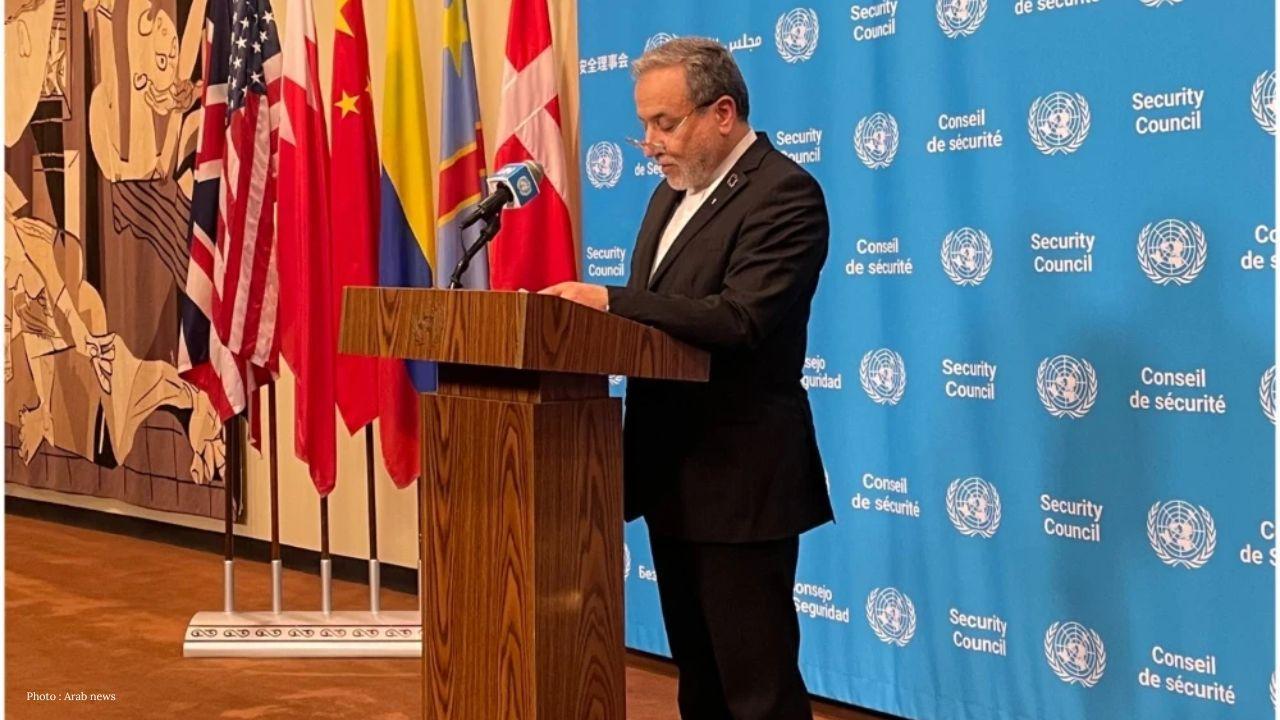
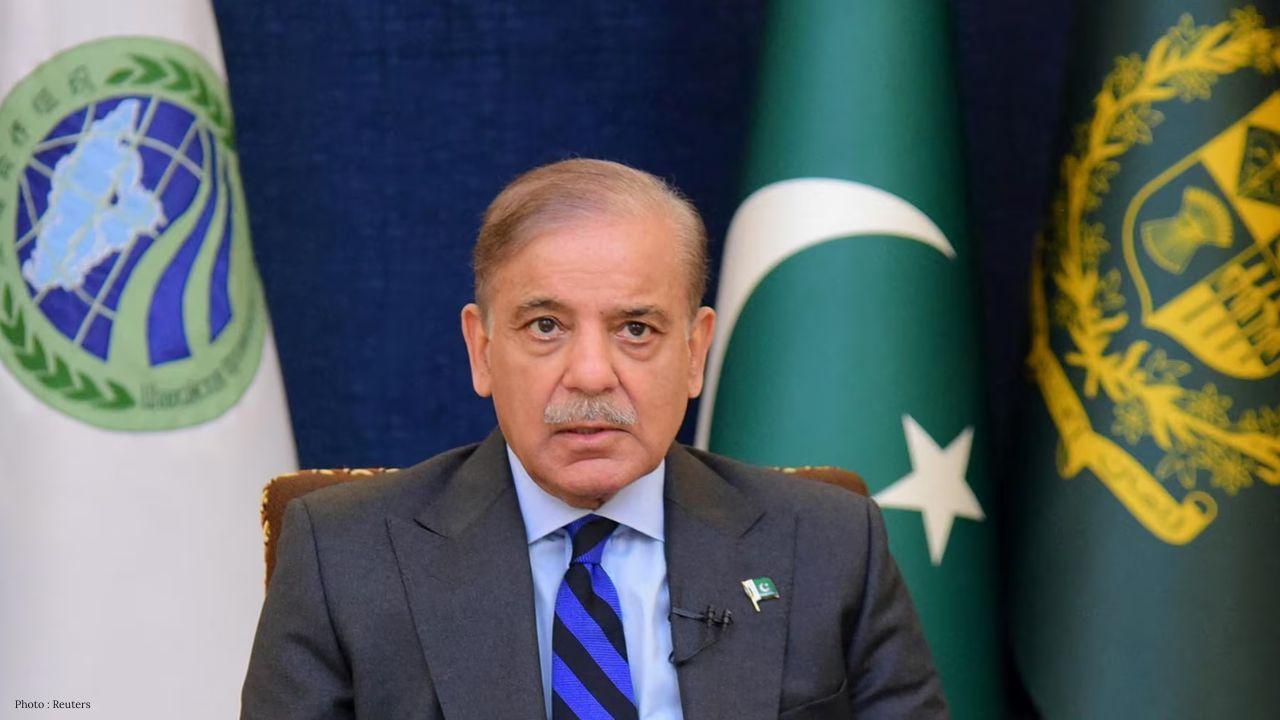
In a remarkable turn of events, two esteemed judges from Pakistan’s Supreme Court resigned on Thursday, expressing grave concerns regarding the recent 27th Constitutional Amendment. They argue that this amendment has dangerously undermined judicial independence and dismantled the constitutional authority of the Supreme Court.
The resignations of Justice Athar Minallah and Justice Syed Mansoor Ali Shah follow the introduction of a Federal Constitutional Court (FCC), which positions itself above the Supreme Court with the original jurisdiction over constitutional issues and fundamental rights. Consequently, all pending petitions relating to these matters will now be moved to the FCC, effectively stripping the Supreme Court of its suo motu powers and weakening its role as the highest judicial entity in the nation.
Justice Minallah articulated his view of the amendment as a violation of the judicial oath, asserting that the Supreme Court no longer upholds the Constitution. He remarked, “These robes we wear are more than mere ornaments. They remind us of the sacred trust placed upon judges… I hang these robes up for the last time with heavy heart,” in his resignation letter.
In a detailed 13-page letter, Justice Shah elaborated on how the amendment has compromised judicial autonomy. He admonished the Chief Justice for not resisting these changes, contending that the establishment of the FCC was driven by political dilution rather than constitutional rationale. Justice Shah condemned the amendment for “capturing the judiciary, eroding the Supreme Court, and replacing constitutional understanding with political power.”
Both justices conveyed that remaining within a diminished Supreme Court would equate to tacit approval of this judicial degradation. Justice Shah pointed out that the 27th Amendment, alongside the earlier 26th, represents a regression in securing judicial independence. He stated, “The light of judicial independence has not faded by accident — it has been dimmed by design.”
The resignations mark a pivotal moment in Pakistan's political and judicial landscape, heightening fears concerning the autonomy of the judiciary and the equilibrium of state authority. Experts observe that this situation highlights escalating tensions between governmental powers and judiciary authority regarding constitutional governance and democratic safeguards.
As the FCC gears up to take precedence over the Supreme Court, legal analysts caution that this reform could fundamentally impact constitutional law interpretation and the principle of separation of powers in Pakistan.
The departure of Justices Minallah and Shah places the Supreme Court at a critical juncture, embodying both a protest against political meddling and a dire warning about the prospects for judicial independence within the country.


 English