Post by : Saif
Al-Najjar
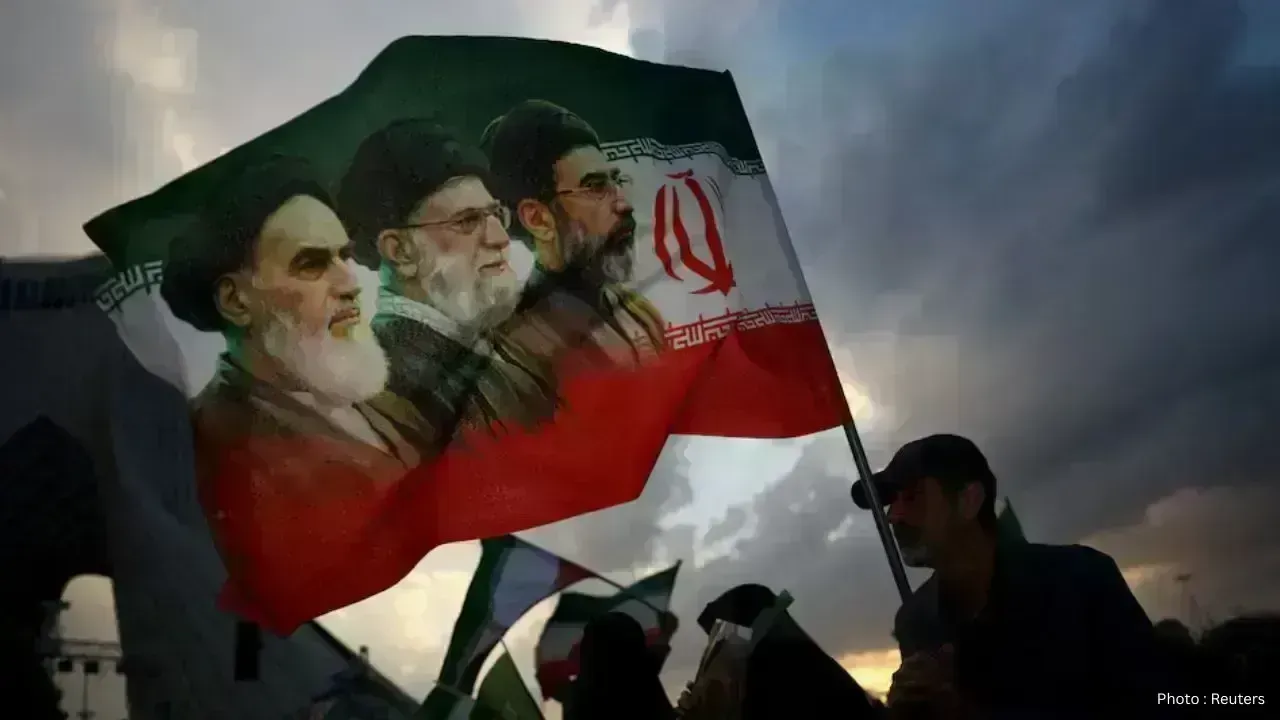
The ongoing situation with Iran's nuclear program through 2026 continues to pose a significant threat globally. New reports from US intelligence reveal that recent military strikes have inflicted only minimal harm on Iran's nuclear capabilities. Despite sustained offensive measures, Iran's core nuclear development remains robust.
According to US intelligence assessments, there has been little to no significant slowdown in Iran's pursuit of nuclear technology. Analysts suggest the nation possesses a rapid ability to advance if it chooses to escalate efforts. This raises pressing questions regarding the efficacy of military action aimed at curbing nuclear flows.
A primary concern lies with Iran's stockpile of enriched uranium, which remains substantial and its precise location poorly defined. This lack of clarity exacerbates global anxieties and fuels fears of future advancements.
Moreover, many of Iran's nuclear facilities are constructed deep underground, complicating military targeting and safeguarding essential program components. Therefore, consistent military efforts may fail to entirely halt nuclear pursuits.
Recent military strategies have shifted focus beyond solely nuclear locations to encompass additional military assets. This change might explain why the nuclear program has shown resilience against ongoing strikes.
This complex scenario underscores a pivotal global security challenge: while military interventions can hinder progress, they rarely dismantle a well-entrenched nuclear capability. Long-term resolutions often necessitate diplomatic negotiations, ongoing monitoring, and cooperative international strategies.
Increasing tensions in the Middle East have profound implications for global markets, with prevailing fears surrounding conflict and instability already influencing oil prices and trade corridors. The nuclear situation adds an extra layer of complexity to an increasingly volatile environment.
Adding to the challenges is the lack of comprehensive transparency regarding Iran's nuclear activities. International oversight groups face significant barriers in verifying Iran's compliance, making it difficult to ascertain the full scope of the program.
Global scrutiny over issues like updates on Iran's nuclear objectives and current US intelligence evaluations is intensifying, as stakeholders aim to stay informed of developments affecting regional and international security.
While the United States remains committed to preventing Iran’s advancement towards nuclear weapons, the latest intelligence suggests that solely relying on military avenues may not suffice.
Hence, the evolving landscape calls for a multifaceted approach. Alongside defensive measures, diplomatic engagements and international collaboration are crucial in navigating this challenge.
Despite strikes, Iran's nuclear activities persist, keeping the globe alert. How events unfold in the upcoming months will be crucial in determining whether tensions escalate or if pathways to peaceful resolutions are pursued.


 English