Post by : Raina
Al-Fahim
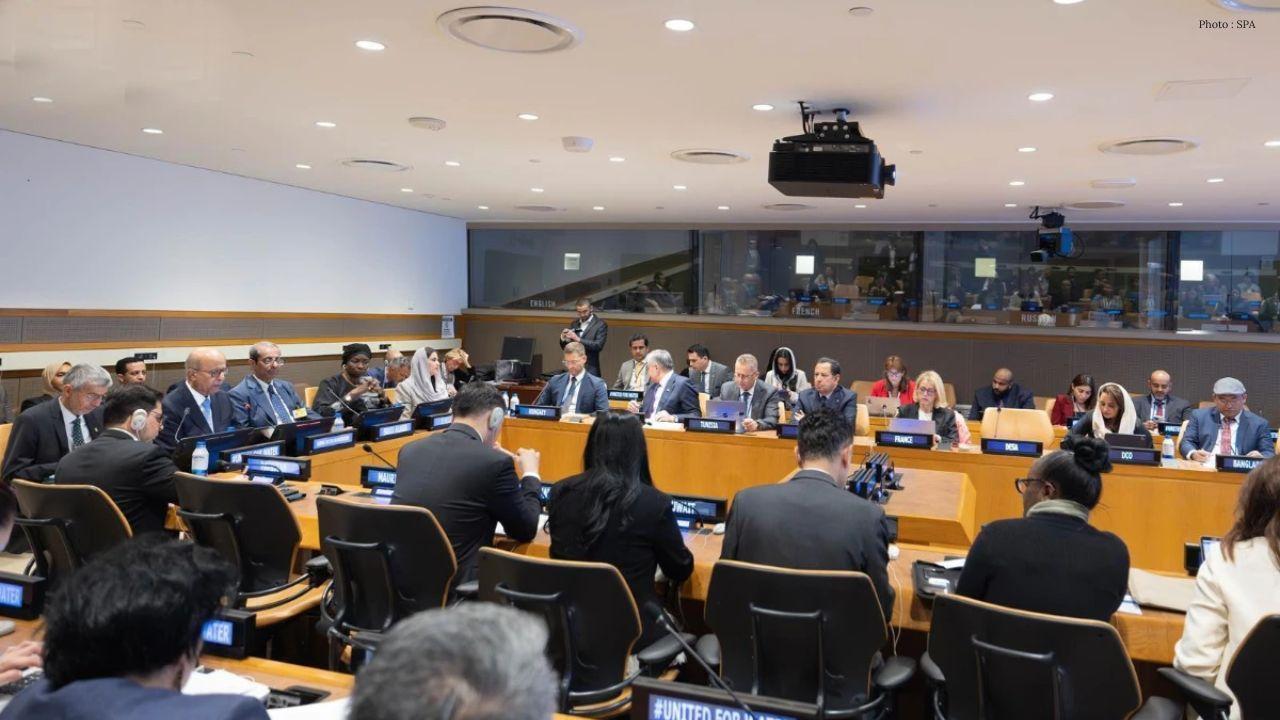
On Tuesday, Israeli Prime Minister Benjamin Netanyahu called for Hamas to be expelled from Gaza, a move that sharply contradicts the US-supported UN plan intended to resolve the ongoing hostilities. This declaration follows the endorsement by the UN Security Council of President Donald Trump's 20-point peace proposal, which offers amnesty to Hamas members willing to commit to peaceful coexistence.
Netanyahu had previously backed the Trump plan during his visit to the White House in September but is now signaling a shift toward a tougher stance. In a series of posts on X, he praised Trump’s initiatives while asserting that Hamas and its affiliates must be removed entirely from the region. “Israel offers peace and prosperity to all our neighbors and calls upon neighboring states to help us in driving Hamas from the area,” Netanyahu stated.
A spokesperson clarified that removing Hamas means ensuring it cannot govern or exert influence over Gaza, effectively dismantling its political and military control. This contrasts with the 20-point plan, which provides for amnesty for Hamas operatives who demobilize and embrace peaceful coexistence, with provisions for safe passage for those who wish to exit Gaza voluntarily without enforcing Hamas' expulsion.
Experts and diplomats note that Netanyahu’s hardline position highlights the deep-seated rifts between Israel and Hamas, hampering global efforts to put the peace plan into action. The Trump plan aspires to create conditions for Palestinian self-determination and statehood while proposing governance reforms in the West Bank via the Palestinian Authority. However, Netanyahu staunchly opposes Palestinian statehood, facing strong opposition from far-right coalition partners.
Hamas has also expressed significant opposition to key elements of the peace initiative, particularly concerning disarmament and governance issues. With both parties maintaining rigid approaches, the international community faces significant challenges in translating intentions into practical steps.
Netanyahu’s statements arrive amidst increased scrutiny over governance and security in Gaza, as global leaders deliberate on strategies to secure enduring peace without triggering further conflict. Analysts caution that the varied interpretations of the peace plan by Israel, Hamas, and the international community may impede progress and exacerbate instability in the region.
The Prime Minister’s remarks underscore the precarious situation Israel finds itself in: pursuing security objectives while addressing international calls for peace and stability. As the UN-supported plan advances, Netanyahu’s hardline position indicates potential conflicts between diplomatic efforts and the realities of Israel’s internal political landscape.


 English