Post by : Raina
Al-Fahim
Israeli Prime Minister Benjamin Netanyahu has made a controversial visit to southern Syrian territory, where Israeli military forces have been active since the downfall of Bashar al-Assad in December. Accompanied by key officials, including Foreign Minister Gideon Saar and Defense Minister Israel Katz, the visit has incited severe backlash from both Syria and the United Nations.
During the tour in the Golan Heights—a UN-monitored buffer zone separating Israeli and Syrian forces—Netanyahu's administration has defended its military presence due to the need to protect Druze communities in Syria that have historical ties to Israeli Druze citizens.
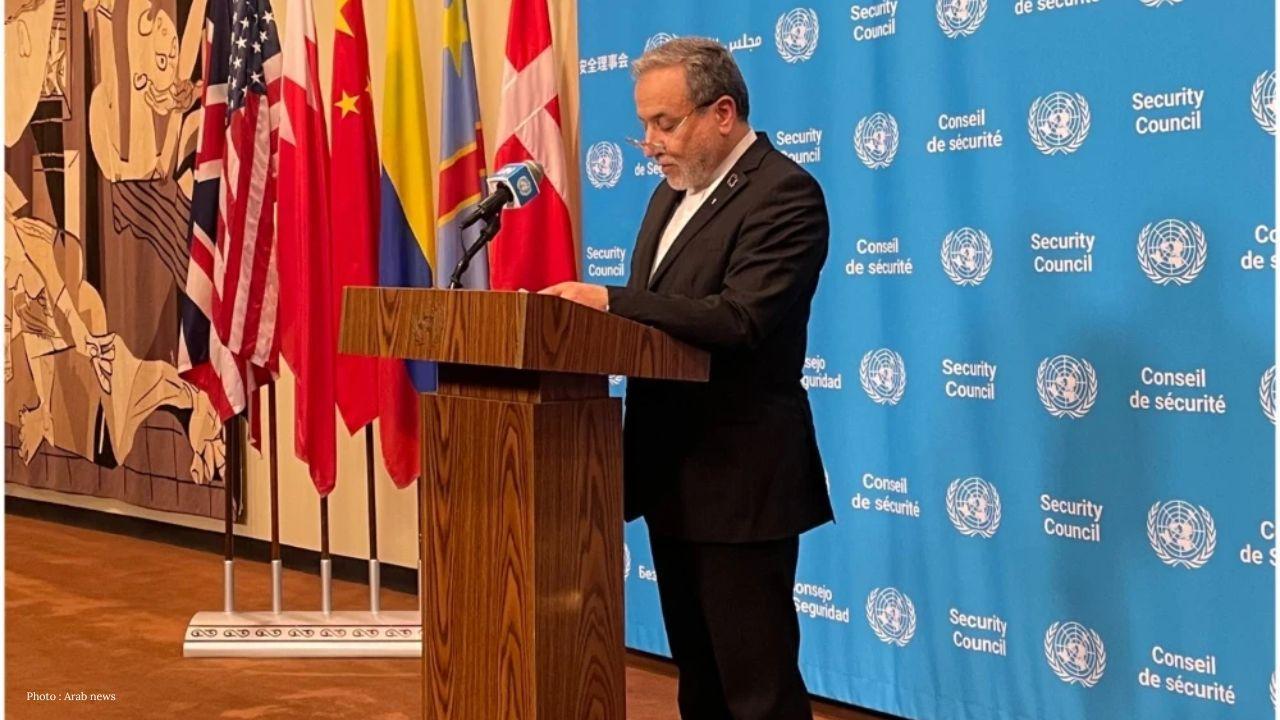
Syria has denounced the visit as a breach of its sovereignty and territorial rights. Syrian UN ambassador Ibrahim Olabi addressed the Security Council, asserting that the tour exemplifies "Israel's persistent aggression towards Syria and its citizens," and urged the UN to take immediate action in accordance with existing resolutions, including the 1974 disengagement agreement post the 1973 Arab-Israeli War. He reiterated that Israel has violated Syrian sovereignty through air assaults, land incursions, and other measures while Syria has shown restraint.
UN spokesperson Stephane Dujarric characterized the visit as "concerning, to say the least," emphasizing the importance of Syria’s full sovereignty according to UN Resolution 2799.
Israel's UN envoy, Danny Danon, sidestepped the specifics of the visit during the Security Council meeting, opting instead to criticize Syria's inability to manage militias and safeguard religious minorities, suggesting that Israel demands proof of Syria's efforts against extremism. In rebuke, Olabi pointed out over a thousand Israeli air strikes and hundreds of ground operations in Syria since Assad's ousting while asserting that Syria has actively pursued diplomatic discussions and displayed no aggressive intentions towards Israel.
The Israeli military has recently reaffirmed its presence in southern Syria, setting up a checkpoint in the Quneitra province. Syrian officials have deemed these activities "highly dangerous," exacerbating regional tensions. Analysts indicate that notwithstanding ongoing negotiations for a potential security agreement, Netanyahu's visit emphasizes the deep-seated mistrust between the two nations and Israel's strategic ambitions in southern Syria.
This situation underscores the fragile dynamics in the region, where long-standing territorial disputes, sovereignty issues, and security concerns continue to influence Israel-Syria relations.


 English