Post by : Raina
Al-Fahim
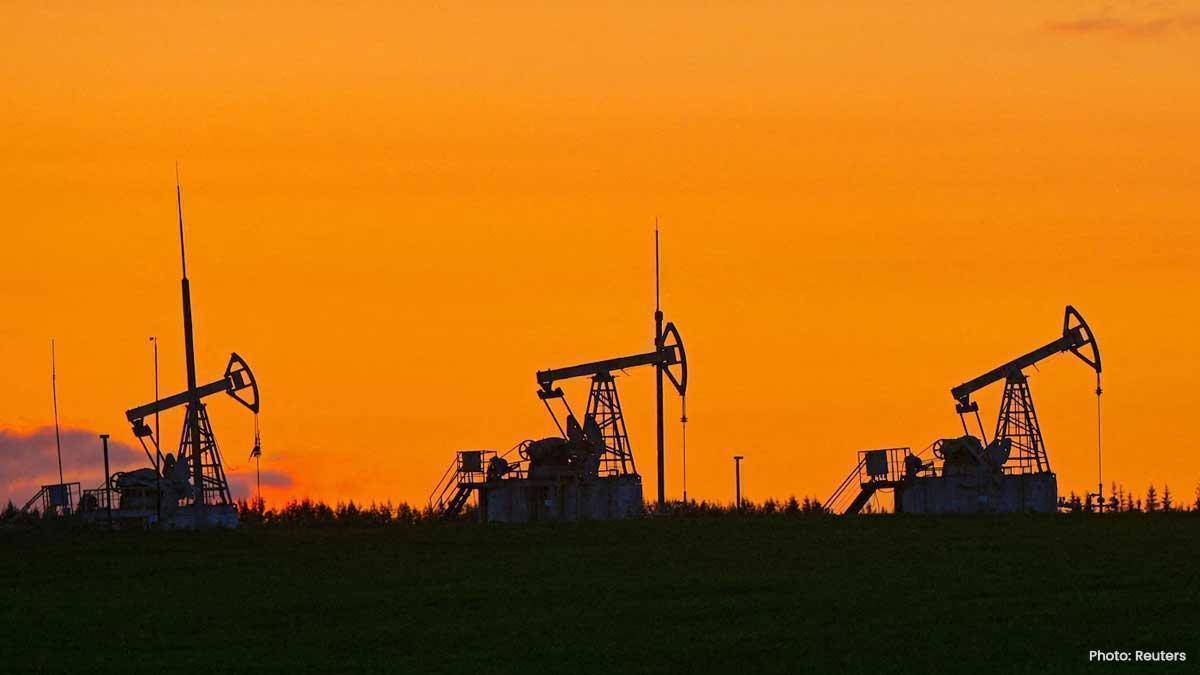
This week, the United States implemented new sanctions against Russia’s primary oil companies, Lukoil and Rosneft, marking a significant escalation in response to Russia's enduring conflict in Ukraine. This action is a result of increasing Western demands to restrict Russia's revenue from energy exports, focusing on key oil firms that are pivotal to the Russian economy. The sanctions imposed on Lukoil and Rosneft aim to limit their access to global markets and financial avenues, thus tightening the economic grip around Russia's energy sector. These measures reflect the United States' unwavering commitment to exert pressure on Russia in a bid to halt its aggressive actions in Ukraine.
Simultaneously, European Union nations enacted their 19th set of sanctions against Russia, which includes a prohibition on imports of Russian liquefied natural gas (LNG). The EU's actions complement those of the United States, striving to diminish Russia's energy income and curtail its capacity to finance the ongoing war in Ukraine. The joint impact of these sanctions on Lukoil and Rosneft is poised to considerably affect Moscow's energy revenues and place additional strain on its economy. Analysts predict that these coordinated sanctions represent a unified endeavor by the West to undermine Russia’s economic influence in the international energy arena.
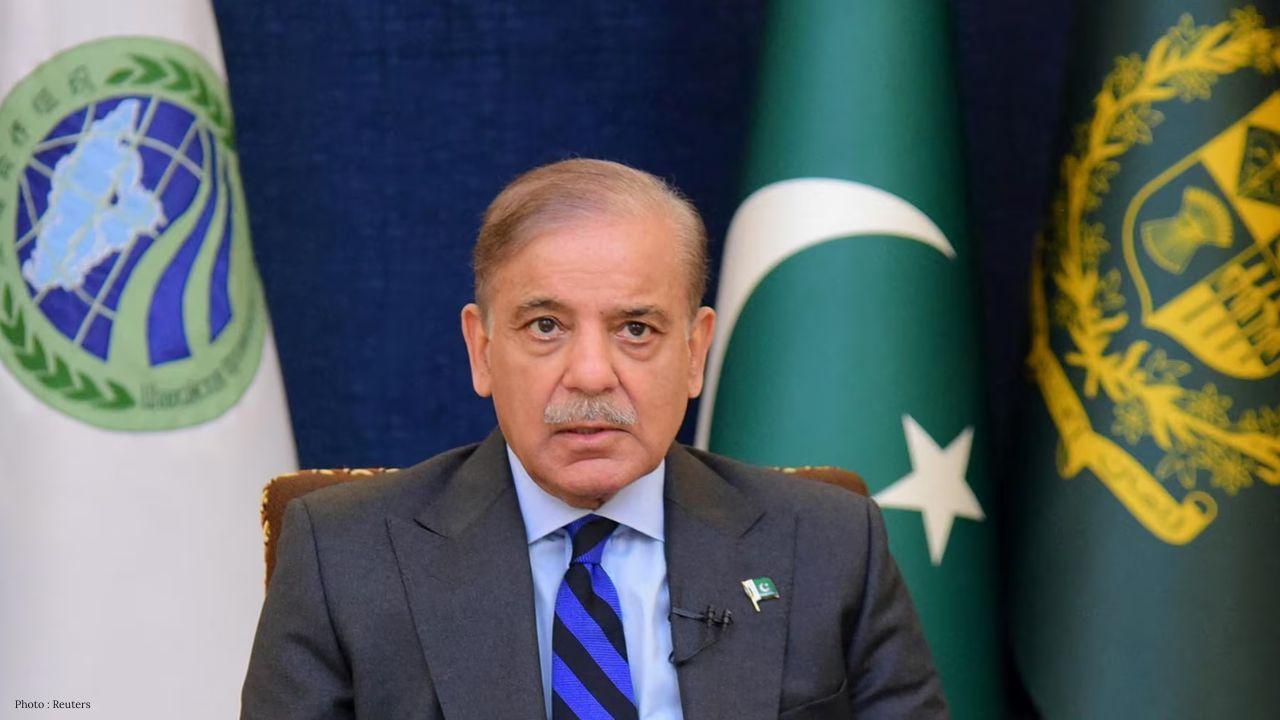
In response to the sanctions, Russia has adopted a cautious stance. Kremlin spokesman Dmitry Peskov remarked that Moscow is currently assessing the new policies and will respond in line with its own interests. Peskov indicated that Russia’s strategy centers around its own benefits rather than a retaliatory stance, signaling a measured reaction to the US and EU sanctions. Despite the restrictions placed on its energy corporations, including Lukoil and Rosneft, Russia is actively seeking alternative markets and strategies to mitigate Western pressures, notably by enhancing relations with nations that are less aligned with the US and the EU.
The newly imposed sanctions on Lukoil and Rosneft, combined with the EU's extensive measures, form part of a broader Western strategy to economically pressure Russia while maintaining a unified political front in support of Ukraine. Energy analysts warn that these moves could result in fluctuations in global oil and gas prices, impacting not only Russia but also international markets dependent on energy imports. By targeting Lukoil, Rosneft, and Russian LNG, the US and EU are clearly signaling their disapproval of Russia’s military actions, demonstrating the West’s resolve to curtail Moscow’s economic strength.
In conclusion, the latest sanctions on Russia’s oil giants, Lukoil and Rosneft, along with the EU’s 19th sanctions package, underscore the prevailing geopolitical tensions surrounding the conflict in Ukraine. The United States and its allies leverage economic measures to restrict Russia's capacity to finance its war, aiming for a long-lasting impact on Moscow’s energy sector. As Russia evaluates its forthcoming strategies, the global community is poised to observe the repercussions of these sanctions, affecting international energy interactions and the trajectory of the Ukraine war.


 English