Post by : Shweta
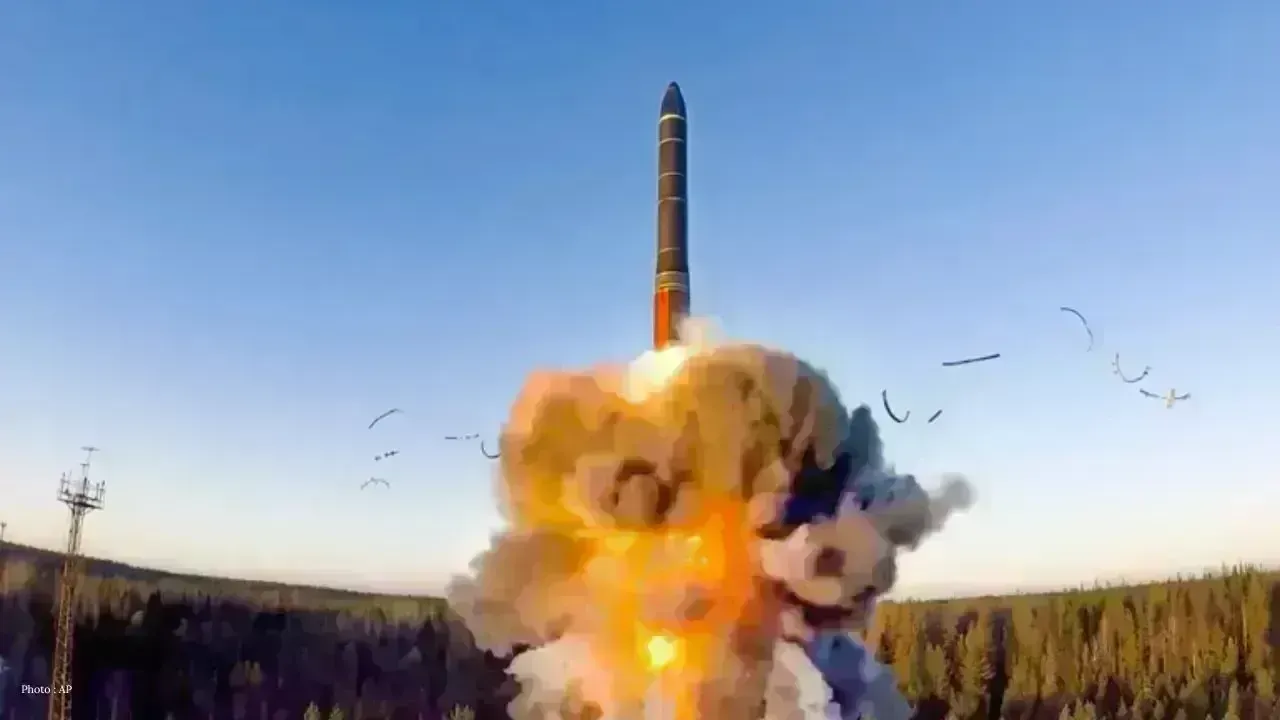
A recent report from the International Campaign to Abolish Nuclear Weapons (ICAN) reveals that global investment in nuclear armaments reached an astonishing $119 billion in 2025, marking a new high. The nine nations with nuclear capabilities collectively increased their expenditures by $16.8 billion over the prior year, demonstrating a heightened emphasis on modernizing their nuclear capabilities.
Released on Tuesday, the report indicated that these nuclear countries pooled together $471 billion in spending over the last five years. ICAN highlighted that all nine nations are planning to maintain their nuclear stockpiles for numerous decades, irrespective of global efforts to mitigate the threats posed by these weapons.
The United States continues to be the front-runner in this arena, with ICAN estimating a spend of approximately $69.2 billion on its nuclear capabilities in 2025, marking an increase of $12.6 billion from the year before. This figure outstrips the combined investments of all other nuclear nations.
Following the U.S., China ranked second with an estimated expenditure of $13.5 billion. The United Kingdom and Russia followed closely with spending of $12.6 billion and $9.5 billion respectively, while France estimated an outlay of about $7.7 billion.
Other nations with nuclear arsenals have also been investing in their capabilities, with India’s spend approximately at $2.8 billion, while Pakistan, Israel, and North Korea allocated lesser amounts. Notably, North Korea reported the smallest expenditure among the nine, at an estimated $656 million.
ICAN expressed concern over the persistent rise in military expenditures for nuclear armaments, critiquing governments for channeling significant funds toward destructive capacities while scaling back support for essential global initiatives. The organization indicated that nations have been reducing their commitments to pressing issues such as climate change response and multilateral diplomacy.
The report's findings coincided with a warning from the Stockholm International Peace Research Institute (SIPRI), which underscored that nuclear-armed nations were deviating from earlier pledges to decrease nuclear stockpiles, instead prioritizing the enhancement of their current arsenals.
Currently, the world's nine nuclear states are estimated to possess over 12,000 nuclear warheads, with the predominant share held by the U.S. and Russia. While overall warhead totals have dropped notably since the Cold War, experts express concern that ongoing modernization efforts and rising geopolitical tensions may heighten the prospects of a new arms race.
Despite ongoing international attempts to foster nuclear disarmament, including the United Nations' 2017 Treaty on the Prohibition of Nuclear Weapons—the first legally binding global pact to outlaw nuclear weapons—none of the nation-states holding nuclear arms have pledged adherence to the agreement.
Historically, the United States and Russia maintained numerous arms control treaties to curb the expansion of their nuclear capabilities. However, following the expiration of the New START treaty, the last substantial agreement in February without a replacement, the landscape remains uncertain.
Experts caution that the lack of new arms control frameworks, coupled with rising military budgets and intensifying geopolitical rivalries, could hinder future initiatives aimed at limiting nuclear weapons.
As nations persist in funneling substantial resources into upgrading their nuclear capabilities, apprehensions about global security and the trajectory of nuclear disarmament are likely to remain elevated. Analysts emphasize that reinvigorated diplomatic efforts and collaborative international engagement will be crucial in averting a new phase of nuclear competition.
Stay updated with us for all major developments.


 English