Post by : Shweta
SHARM EL SHEIKH, Egypt — Oman has once again been recognized as a polio-free country, with the World Health Organization's Regional Certification Commission confirming that the Sultanate has maintained the achievement for more than 30 years.
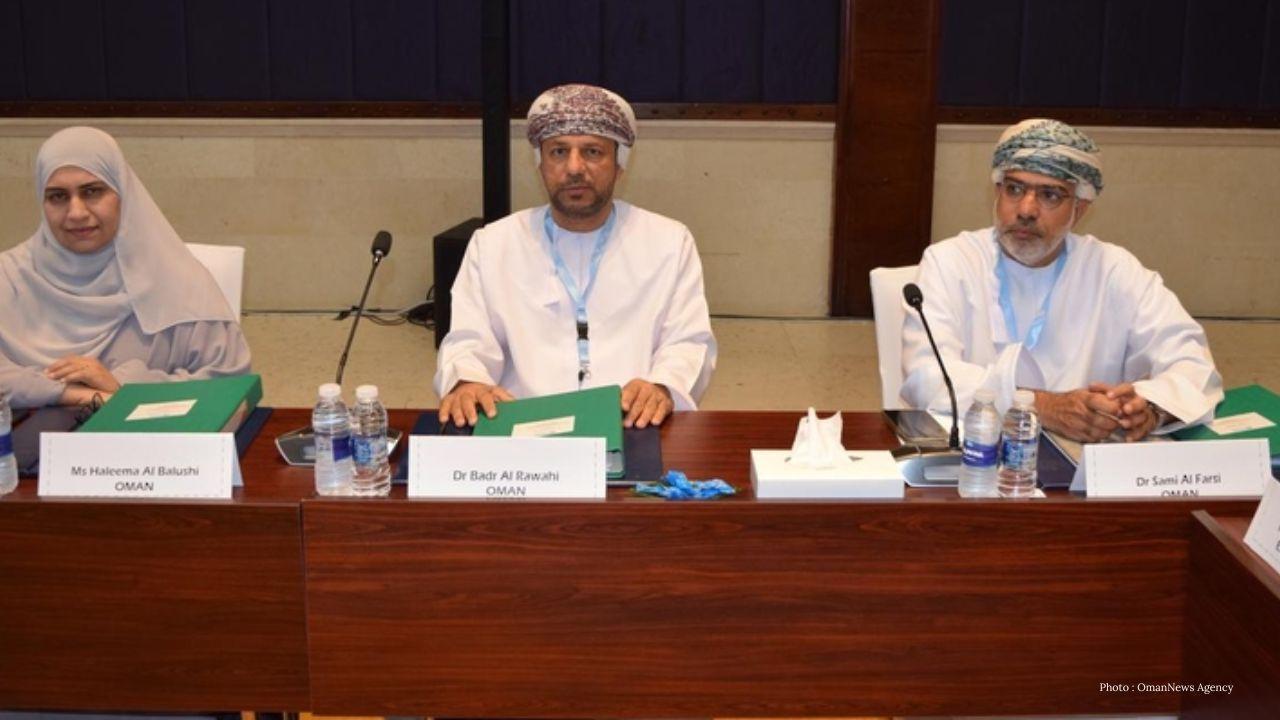
The recognition came during the commission's 40th regional meeting on polio eradication, held in Sharm El Sheikh, Egypt, from June 9 to 11. Representatives from Oman’s Ministry of Health participated in the gathering alongside health officials from across the Eastern Mediterranean region.
The annual meeting focuses on reviewing national reports, assessing progress in polio eradication efforts and discussing challenges facing countries as they work to prevent the return of the disease.
The World Health Organization's Regional Certification Commission for Polio Eradication examined annual reports submitted by countries in the Eastern Mediterranean Region and evaluated measures aimed at keeping nations free from the virus.
The discussions covered ongoing challenges affecting eradication programs and highlighted the importance of maintaining strong public health systems to prevent future outbreaks.
Following its assessment, the regional committee confirmed that Oman continues to be free of polio and acknowledged the country's sustained efforts to preserve this status for more than three decades.
The committee praised Oman for its commitment to strengthening immunization programs and enhancing epidemiological surveillance systems.
According to the assessment, these efforts have played a central role in protecting communities from vaccine-preventable diseases and ensuring that the country remains prepared to detect and respond to potential health threats.
Health authorities have continued to prioritize vaccination coverage and disease monitoring as key elements of national public health policy.
Polio is a highly infectious disease that primarily affects children and can cause paralysis. Global vaccination campaigns led by the World Health Organization and its partners have significantly reduced the number of cases worldwide over recent decades.
Countries that have eliminated the disease are required to maintain extensive surveillance systems and high vaccination rates to prevent the virus from re-emerging.
Oman's continued recognition as a polio-free nation reflects the long-term efforts of its healthcare system and the sustained implementation of preventive health measures.
The regional meeting in Egypt provided participating countries with an opportunity to exchange experiences and review strategies aimed at strengthening polio eradication programs.
Health experts continue to emphasize that maintaining strong vaccination programs and effective disease monitoring remains essential to protecting populations from polio and other preventable illnesses.
The latest recognition from the World Health Organization's regional committee underscores Oman’s ongoing commitment to preserving one of its most significant public health achievements and ensuring that future generations remain protected from the disease.
For all major updates and developments, stay connected with us.


 English