Post by : Raina
Al-Fahim
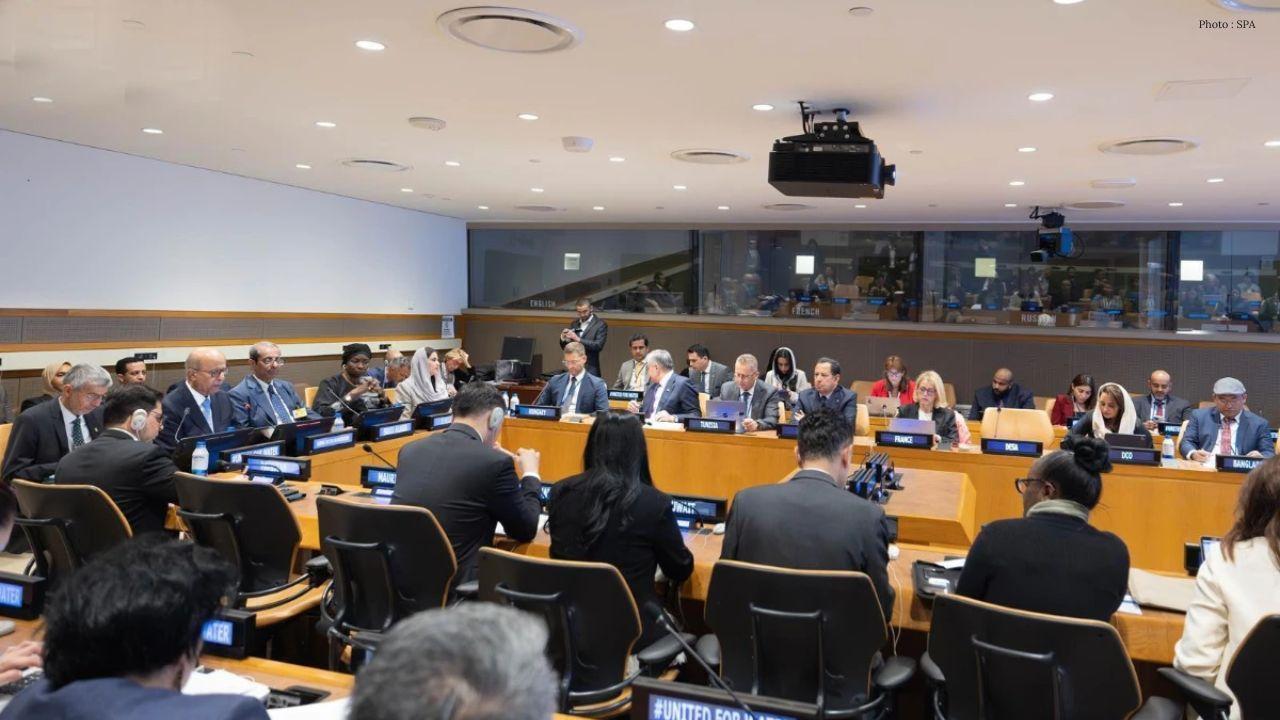
Thailand and Cambodia have made notable progress in addressing their historic border dispute during a two-day special meeting of the Joint Commission on demarcation in Chanthaburi, Thailand. The recent talks were centered on technical collaboration, the replacement of boundary markers, and expediting land surveys. Both nations underscored the importance of peaceful negotiations and mutual respect, showing their commitment to resolving tensions along their 800-kilometer border. These discussions come in conjunction with the ASEAN Summit taking place in Kuala Lumpur, where a formal agreement on border resolution is anticipated to be finalized.
During the talks in Chanthaburi, an agreement was reached to replace 15 boundary pillars at agreed locations. They also dealt with submerged markers and selected new positions based on mutual consent. The countries agreed to update the Terms of Reference from 2003 to incorporate advanced LiDAR technology for creating precise orthophoto maps. Such initiatives aim to hasten land demarcation, minimize misunderstandings, and enhance bilateral trust, showcasing that technical cooperation can effectively resolve persistent territorial disputes peacefully.
The two countries also concentrated on sensitive areas, particularly segments between Boundary Pillars No. 42 to 47, which includes regions like Chouk Chey-Nong Chan and Prey Chan-Nong Ya Kaeo. They finalized technical guidelines for surveys and the placement of temporary markers as part of their discussions. Additionally, concerns regarding the encroachment of Cambodian nationals into Thai territory were addressed, with a shared commitment to ensure all future endeavors respect historical claims while avoiding potential conflicts. ASEAN observers are closely monitoring this cooperation, indicating regional support for a peaceful resolution.
The Chanthaburi agreement highlights the commitment of Thailand and Cambodia to prevent the border dispute from negatively impacting civilians or regional stability. Past skirmishes had occurred, including clashes in 2011 and July 2025, leading to casualties and displacement. Today, both nations advocate for dialogue and technical solutions rather than military action. Cambodian Prime Minister Hun Manet noted the friendly atmosphere of the discussions, while Thailand’s foreign minister Sihasak Phuangketkeow emphasized the progress towards a Declaration of Thailand-Cambodia Relations during the ASEAN Summit.
Looking ahead, Thailand and Cambodia plan their next Joint Border Commission meeting in Siem Reap in January 2026. This ongoing collaboration is part of a broader trend among ASEAN nations in resolving disputes through diplomatic means. With decades of conflict behind them, both countries are cautiously building lasting trust to ensure border security and mitigate civilian hardships. Their resolution efforts exemplify that continued dialogue, technical expertise, and goodwill can effectively tackle even the most intricate territorial disputes.


 English