Post by : Saif
Al-Najjar
In Kenya, protests erupted against a proposed US-supported Ebola treatment and quarantine facility, prompting police to use tear gas to disperse demonstrators. The protests reflect deep-seated concerns regarding public health, safety, and the need for transparency around the facility.
The planned location for the facility has become a focal point for fears in a community that questions both operational safety and potential health risks associated with the project. As authorities promise improved disease control measures, residents worry about the implications for their neighborhoods.
As large crowds gathered to voice their dissatisfaction, protesters criticized the lack of consultation prior to the project announcement, calling for detailed information on its safety protocols and operational plans.
With tensions high, the police increased their presence, employing tear gas amidst escalating unrest, causing panic as people fled the scene trying to escape the chaos.
Officials defended their actions, arguing that maintaining order was essential to prevent further violence. However, their use of force has highlighted a disconnect between government actions and public sentiment about health infrastructure in the area.
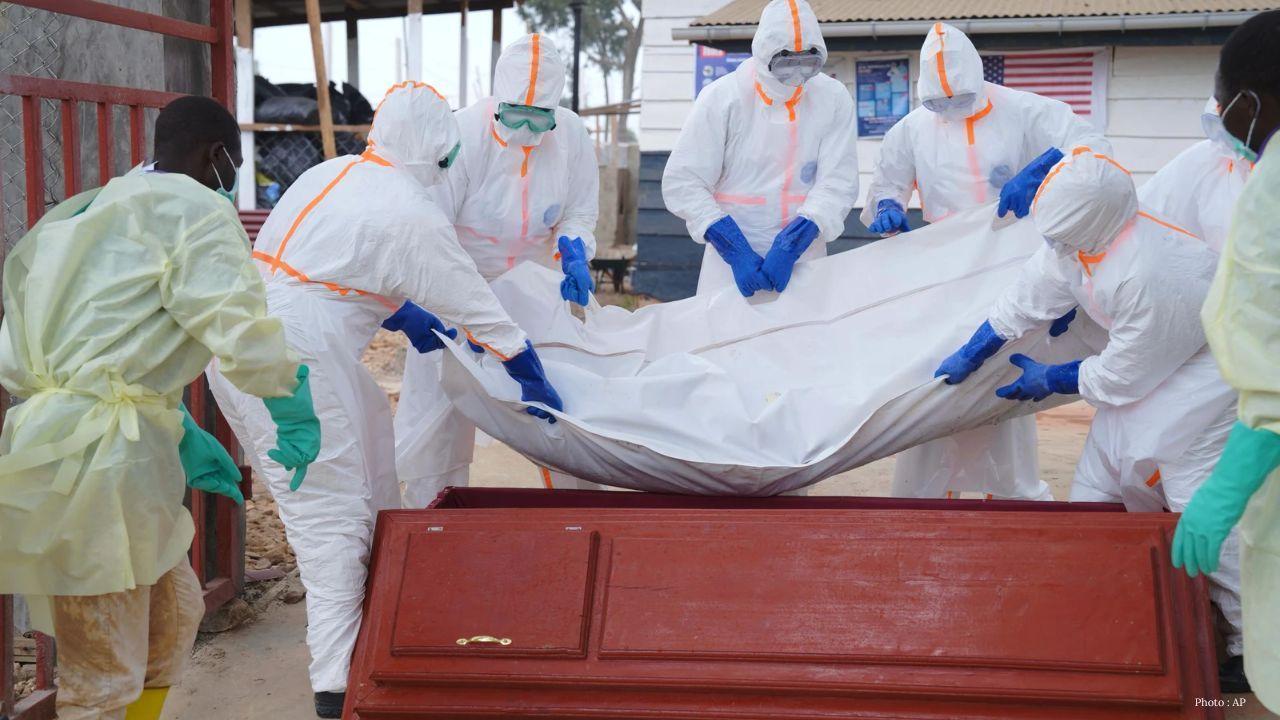
This US-linked facility forms part of broader initiatives aimed at enhancing health resilience in the face of viral outbreaks like Ebola, which has historically wreaked havoc in parts of Africa. Experts believe timely intervention and specialized care centers are crucial for managing such health emergencies.
Proponents advocate for the facility, emphasizing that it could substantially bolster emergency response capacities in the region. International collaborations in health initiatives like this are generally viewed as vital to improving global health security.
Conversely, local apprehensions underscore the necessity of building trust and ensuring effective communication. Residents are typically worried about potential stigmatization and safety, which can breed resistance even for well-meaning health projects.
Health specialists emphasize that engaging communities in health planning is crucial for securing public support. When residents are well-informed and included in decision-making processes, they are more likely to embrace initiatives aimed at their welfare. The absence of such engagement can often lead to significant backlash against projects.
This incident reflects wider challenges faced globally regarding preparedness for infectious diseases. Governments must strive to balance immediate health imperatives with public apprehensions, communicating safety measures transparently to alleviate community fears.
International stakeholders involved in health infrastructure can complicate matters further. While their presence can facilitate advancements, questions about local control and accountability may arise, stirring doubts within the community.
The introduction of a US-affiliated facility has particularly intensifying sensitivities, with some residents fearing they may become unwitting participants in high-risk medical operations. Authorities assert that robust safety measures will mitigate risks and prioritize public health.
The violent confrontation has reignited discussions on how to manage protests effectively. Rights advocates argue for the necessity of peaceful methods of crowd control and open channels of communication, especially regarding public health projects affecting local lives.
At the heart of this situation is an ongoing struggle between order and the freedom to voice dissent—a recurring theme in many democratic contexts.
The conflict has bifurcated community opinion. While some residents demand the halt of the facility's development until thorough consultations occur, others advocate for its potential health advantages if executed properly.
As the government navigates its public health agenda, re-establishing trust with the community will be paramount. Transparent communication and inclusive engagement are critical strides toward resolving the ongoing tensions.
This clash over the facility illuminates the fragility of public trust in health development. As Kenya aspires to enhance its health system, the equilibrium of safety, effective communication, and community buy-in will prove essential for achieving sustainable success.


 English