Post by : Bianca
Haleem
Qatar proudly hosted a significant global conference in conjunction with the Seventy-Ninth World Health Assembly, focusing on the importance of healthy longevity as a vital investment for societies and economies worldwide.
Featuring attendees from various nations—including ministers, global health authorities, and leading experts—the event aimed to enhance healthy life expectancy and bolster healthcare systems to better serve aging communities.
Co-sponsored by countries including Japan, Finland, and Thailand, along with notable organizations like the World Federation of Public Health Associations, the symposium gathered influential voices from different sectors.
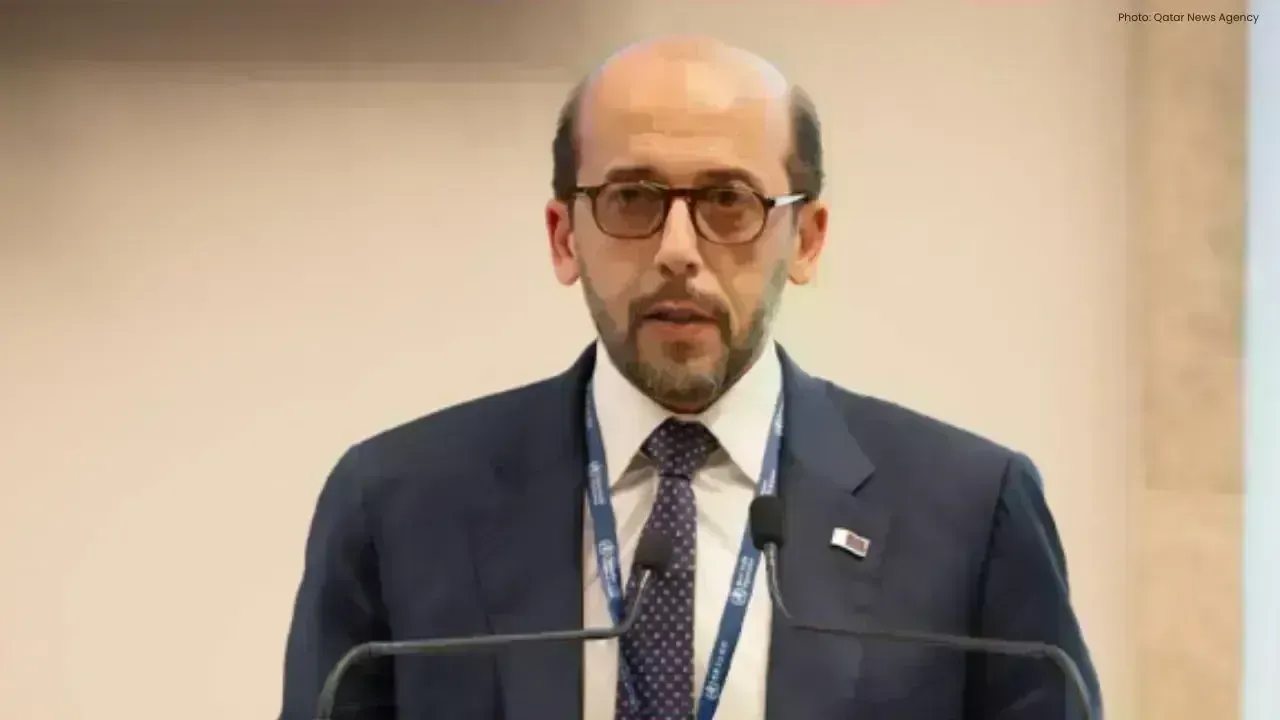
In his keynote address, Mansoor bin Ebrahim Al Mahmoud highlighted the dual significance of healthy longevity as a national urgency and a global imperative. He outlined Qatar’s comprehensive strategy that emphasizes prevention, innovation, scientific advancement, and collaborative healthcare efforts to elevate the quality of life for aging citizens.
He noted that the ultimate aim transcends merely extending life; it is crucial to enhance the quality of those years through robust public health policies, preventive care measures, and inter-sectoral collaboration.
The minister pointed out the supportive role of the WHO Collaborating Centre on Healthy Ageing in promoting international health initiatives and facilitating research and policy advancement.
Discussions underscored the need for coherent integration of healthcare prevention, financial support, governance, and innovative practices to enhance health outcomes and effectively address rapid demographic shifts in various countries.
Hanan Balkhy addressed the diverse healthcare hurdles faced by the Eastern Mediterranean region, remarking that while some countries enjoy advanced health services, others grapple with challenges posed by conflicts and inadequate resources.
She highlighted that fortifying primary healthcare is critical to bridging the gap between overall life expectancy and healthy life expectancy, pinpointing prevention, early disease detection, non-communicable disease management, and universal health coverage as pressing priorities.
During a panel discussion led by Salim Salama, specialists explored actionable strategies for governments to actualize healthy longevity objectives through enhanced preventive measures, digital healthcare innovations, and appropriate financing pathways.
Bettina Borisch underscored the necessity for equitable access in healthy longevity measures, stressing that healthcare investments should specifically benefit vulnerable populations.
Gregor Sneddon advocated for intensified actions against ageism, asserting that the elderly should be seen as active societal participants rather than merely care recipients.
Sharing insights on Japan’s longevity initiatives, Masami Sakoi emphasized how healthy aging plays a pivotal role in economic stability and workforce engagement.
Heli Hatunen discussed Finland’s welfare economy framework, illustrating how national policies can holistically integrate health and well-being across various sectors.
In addition, Amporn Benjaponpitak elaborated on Thailand’s successful models involving community health volunteer networks and the utilization of digital health technology to enhance healthcare access and preventive services.
Consensus emerged among participants regarding the classification of healthy longevity as a multifaceted issue, intertwining healthcare with socio-economic concerns. They emphasized the necessity for integrated policies that encompass long-term growth, social welfare, and economic fortitude.
The conference also underscored Qatar’s rising stature as a global nexus for fostering discussions and cooperative ventures centered on healthy longevity, uniting experts across science, policy, finance, and healthcare innovation.
Key recommendations concluded the gathering, advocating for bolstered international collaboration on aging policies, improved health consideration within public policy, and continued cooperative efforts through future global health initiatives, including the World Innovation Summit for Health.
Officials affirmed that these dialogues advance ongoing global initiatives aimed at rethinking aging and healthcare, accentuating the significance of investing in health across all life stages.


 English