Post by : Mariam
Al-Faris
Photo: Qatar News Agency
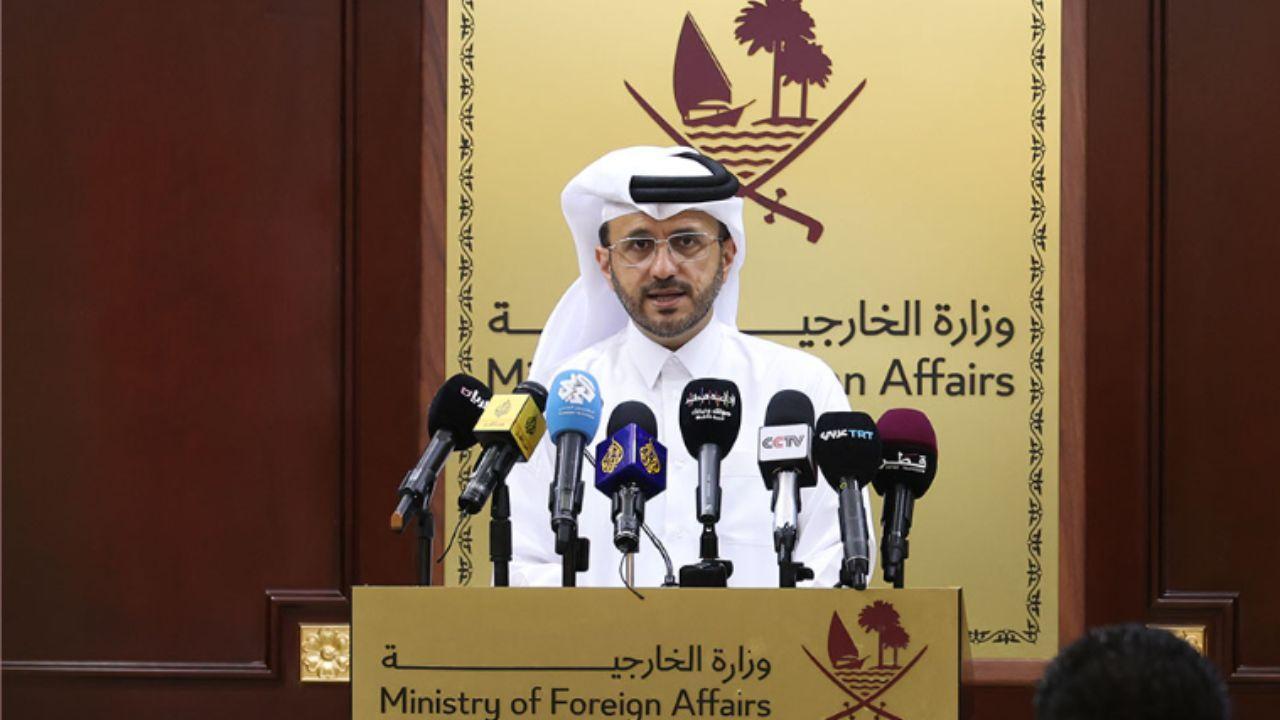
At a weekly press briefing, Qatar’s Advisor to the Prime Minister and Foreign Ministry Spokesperson, Dr. Majed bin Mohammed Al Ansari, stated that indirect ceasefire negotiations in Doha are still in progress. He emphasized these efforts are ongoing around the clock, driven by mediators from Qatar, Egypt, and the United States, and should not be seen as stalled.
Delegations Remain Engaged in Doha
Dr. Al Ansari confirmed that both Palestinian and Israeli teams remain in Doha and continue indirect meetings. These early-stage discussions are focused on establishing a negotiating framework—not yet on detailed terms. Though timelines are unclear, productive work continues without interruption.
Mediators Working Intensively
Qatar, Egypt, and the United States are coordinating daily to guide the process. Dr. Al Ansari highlighted that communication channels stay active—even between Qatar and the U.S. special envoy Steve Witkoff—ensuring wide international support remains behind the ceasefire efforts.
Framework-First Approach Explained
Rather than negotiating specifics, Qatar is helping both sides craft a set of guiding principles as the foundation. According to Dr. Al Ansari, establishing this structure is essential for enabling later direct or formal discussions, and overcoming the current differences blocking progress.
No Stalemate Despite No Fixed Deadline
Though no end date has been declared, Dr. Al Ansari clarified the process is not deadlocked. As long as delegations remain committed and discussions continue, momentum toward resolving differences and framing an agreement persists.
Framework Leads to Ceasefire and Calm
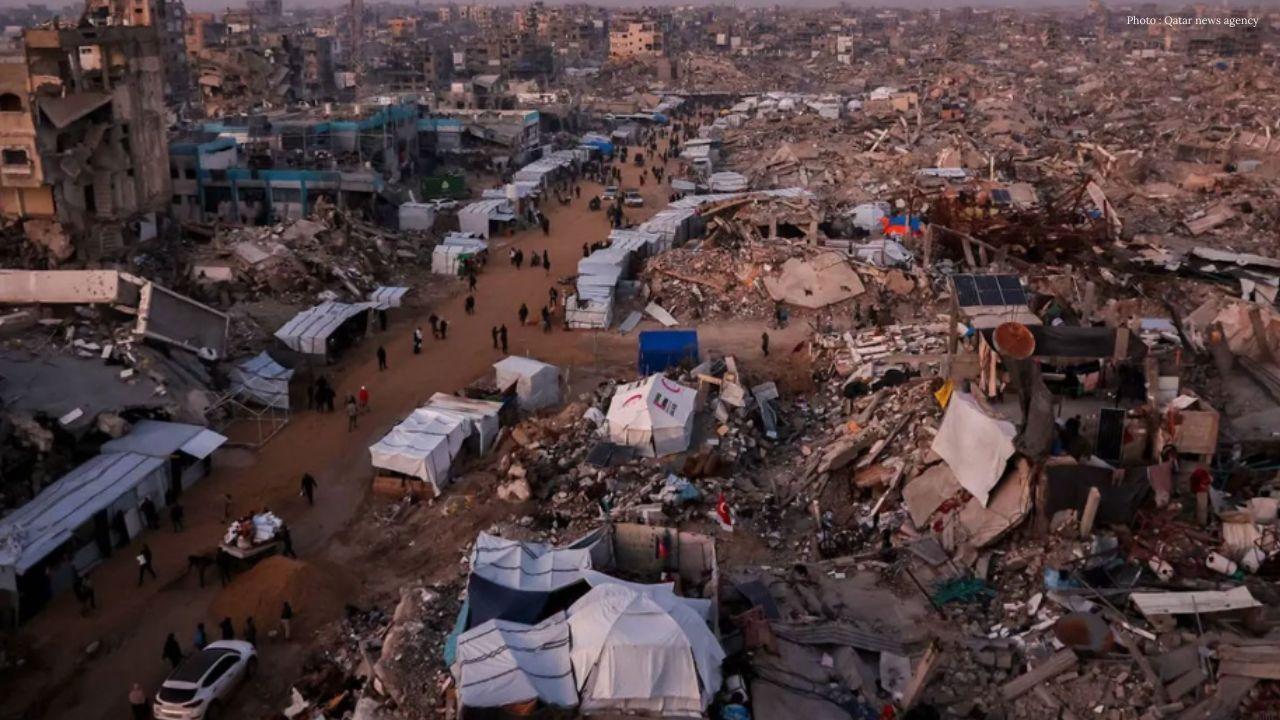
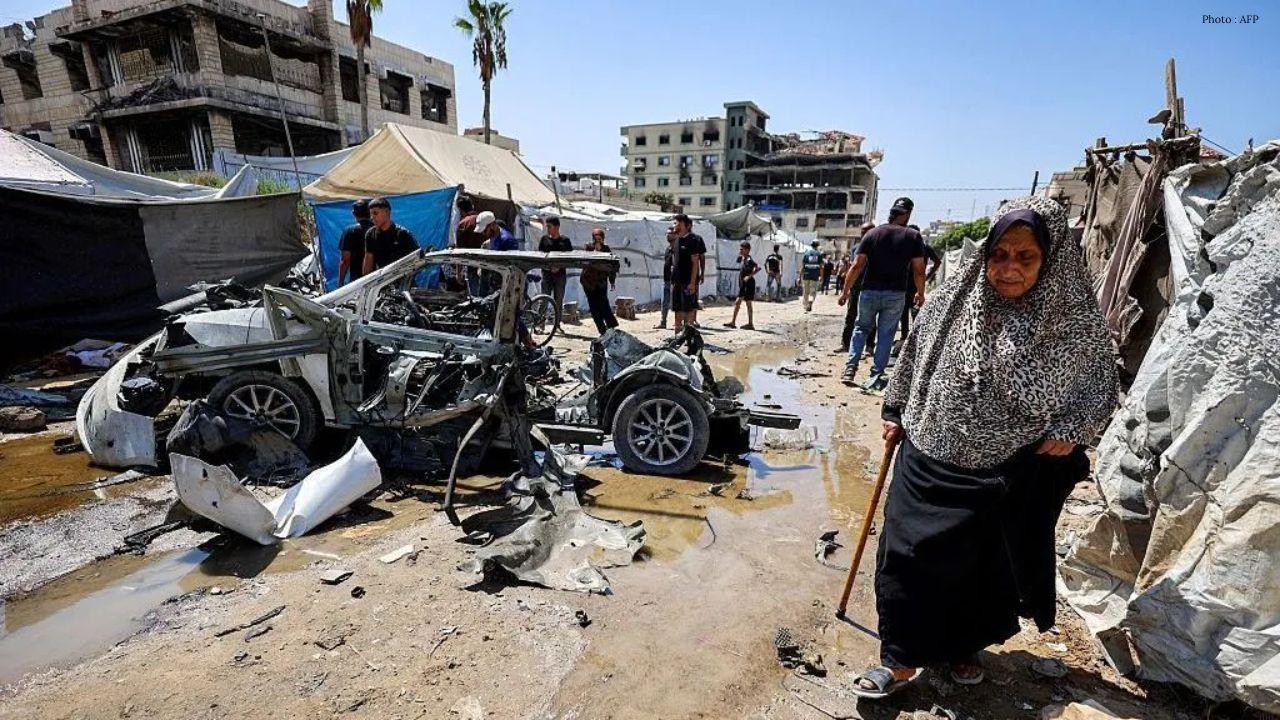
This framework aims to eventually enable a ceasefire, prisoner exchanges, access for humanitarian aid, and a sustainable calm in Gaza. By agreeing on principles first, each side builds confidence before addressing sensitive details.
Qatar Condemns Reckless Israeli Conduct
Dr. Al Ansari condemned recent Israeli policies that threaten regional stability and violate state sovereignty. Qatar urged the international community to act, uphold international law, and curb behavior that disrupts peace efforts.
Qatar Supports Regional Humanitarian Response
The spokesperson shared updates on Qatar’s Search and Rescue Group—part of its internal security force Lekhwiya—which recently arrived in Aleppo, Syria, to help combat fires in Latakia and deliver urgent aid. This reflects Qatar’s swift humanitarian deployment in crisis zones.
Diplomatic Outreach with Austria
Dr. Al Ansari noted a call between PM Sheikh Mohammed bin Abdulrahman Al-Thani and Austrian Chancellor Christian Stocker, focusing on bilateral collaboration and regional de-escalation. They reaffirmed solidarity behind Doha’s approach to peace in Gaza.
Nigeria and North Macedonia Updates
The Qatari Foreign Minister spoke with Nigeria’s Foreign Minister Yusuf Tuggar, discussing deeper cooperation. Meanwhile, the Minister of State for Foreign Affairs visited North Macedonia and Italy, bolstering their diplomatic networks and progressing bilateral agendas.
Qatar at Ukraine Recovery Conference
In Rome, Minister Maryam bint Ali Al Misnad led Doha’s delegation at the Ukraine Recovery Conference 2025, focusing on reconstruction programs, education, healthcare, and supporting the return of children separated by war. Qatar affirmed its backing for diplomatic resolution efforts.
UN and International Mediation Role
Qatar continues to play a crucial role in coordinating international mediation. With active involvement from the U.S. Middle East envoy, Egypt’s diplomats, and other stakeholders, Qatar’s efforts are central to pushing the ceasefire framework forward and mobilizing humanitarian channels.
Framework as Essential First Step
By prioritizing a framework, Doha aims to overcome the current impasse. Once agreed, this arrangement will allow for structured negotiations on specific ceasefire conditions, aid access, detainee release, and roadmaps toward stability and peace.
Diplomatic Tenacity in the Absence of Timeline
Dr. Al Ansari underlined that although no set deadline exists, the unwavering commitment of mediators and negotiators reflects diplomatic resilience. Doha remains the venue for these efforts, with regional and global coordination ensuring persistent progress.
Forward Path Suggested
Qatar’s role continues to evolve—from facilitating talks to mobilizing humanitarian response and conducting international outreach. Consistency in communication, transparency in process, and multilateral support are expected to help unlock the framework agreement.
Qatar confirms that indirect Gaza ceasefire negotiations are active and framed around creating guiding principles. With mediation from Qatar, Egypt, and the US, as well as international engagement, the process is steady. Though timelines remain open, growing diplomatic coordination, humanitarian action, and dialogue offer renewed hope for a breakthrough—and show Qatar’s pivotal role in easing tensions and advocating for peace.


 English