Post by : Shweta
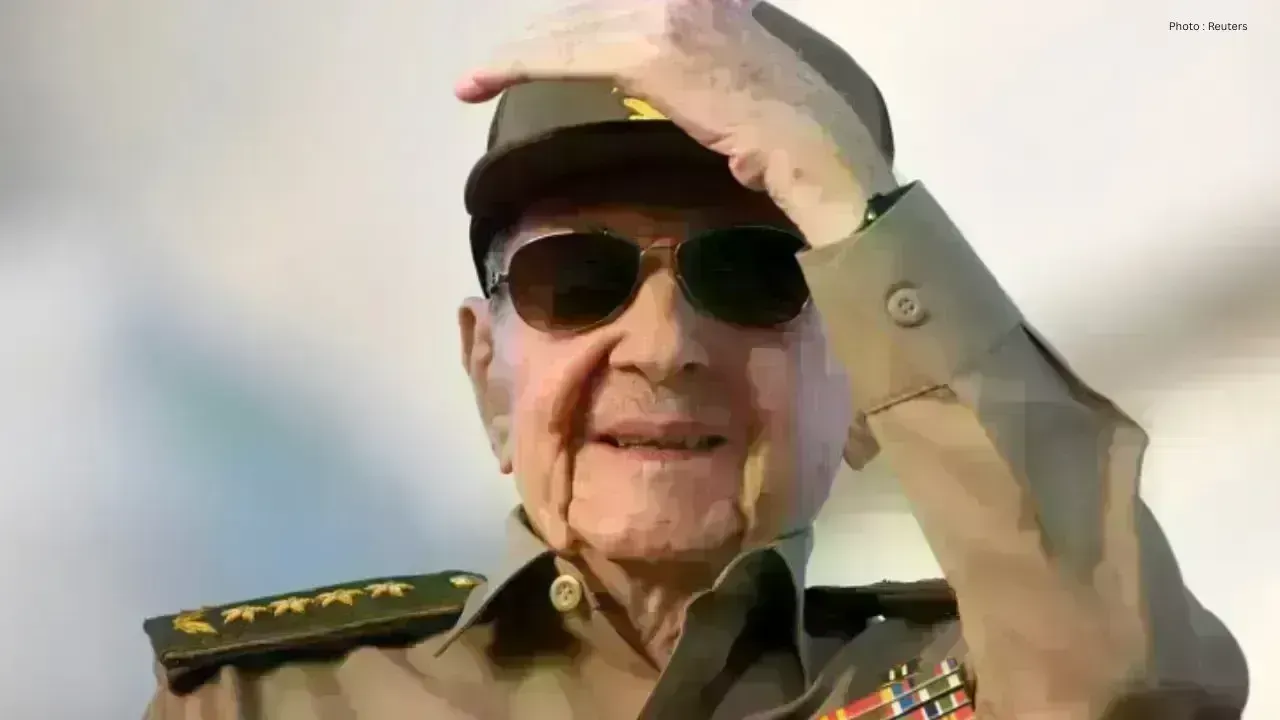
International scrutiny has intensified over US-Cuba relations, sparked by President Donald Trump’s renewed critique of former Cuban leader Raul Castro. This focus revisits the historically fraught dynamics between the two nations, which have endured political tension for over sixty years.
Raul Castro, who led Cuba from 2008 to 2018, significantly influenced the country’s communist governance after succeeding his brother Fidel Castro. Under Castro's leadership, Cuba maintained strict political control and staunchly opposed American influences. Consequently, the US imposed decades-long economic sanctions due to apprehensions regarding human rights and Cold War-related issues.
The atmosphere between the two nations shifted notably during Barack Obama’s presidency. In 2014, the Obama administration began to restore diplomatic relations, marking over fifty years of animosity. Formal embassies were reinstated, travel regulations were lightened, and various economic partnerships flourished, which many experts considered a pivotal moment in establishing US-Cuba ties.
However, with Donald Trump's arrival to office in 2017, relations soured again. The Trump administration adopted a firmer stance, including stricter travel policies, heightened financial sanctions, and restrictions on business engagements related to the Cuban government. Trump vocalized allegations against Cuban leadership for stifling political rights and backing anti-American strategies in Latin America. His administration emphasized the necessity for heightened pressure to advocate for democracy in Cuba.
Recent events concerning Raul Castro have reignited discourse in both nations. Proponents of a stricter US stance argue for increased international pressure on the Cuban regime related to human rights and governance. Conversely, Cuban authorities categorize US criticisms as unwarranted intrusions into their national sovereignty.
Analysts note that the historical and political contexts, coupled with issues of migration and economic sanctions, significantly shape the relationships between Washington and Havana. The longstanding trade embargo against Cuba—established during the Cold War—remains a key contention point. The economic hardships stemming from sanctions have had widespread impacts on the everyday lives of Cuban citizens.
In recent times, migration has emerged as a significant point of contention between Cuba and the United States. Economic challenges in Cuba have prompted many residents to seek opportunities abroad. US officials are actively addressing postures on border control and migration stability in the context of Cuban policy.
Political analysts predict that the trajectory of future US-Cuba relations will largely hinge on the leadership strategies of both countries and evolving global conditions. While some factions advocate for renewed diplomatic interactions, others prefer maintaining stringent sanctions and public pressure. Presently, developments involving Raul Castro underscore the tension-laden interconnection between the United States and Cuba.


 English