Post by : Anis
Al-Rashid
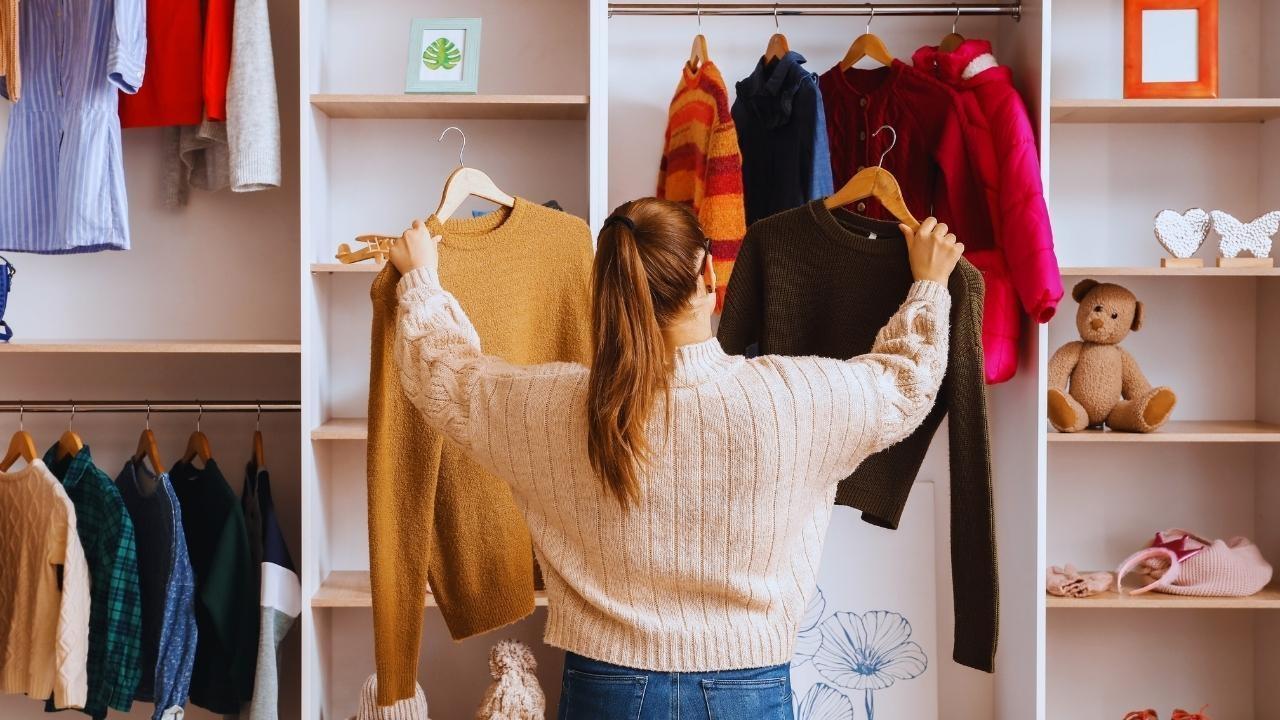
This winter, a noteworthy trend has emerged in both urban and suburban shopping locales: the revival of winter wardrobe swaps. Once considered a niche community activity, these swaps now dominate discussions around lifestyle changes this season. This phenomenon has been fueled by a recent influx of boutique pop-ups, attracting eco-conscious shoppers and influencers eager for stylish and affordable winter wear.
Unlike traditional seasonal sales, these boutique events offer carefully crafted experiences that marry sustainability with personal style. Attendees don't just browse; they engage in swaps, styling, and learning in a fashion ecosystem that champions both uniqueness and responsibility.
This article examines the rise of winter wardrobe swaps, the pivotal role played by pop-up boutiques, and the underlying shifts in perspectives towards fashion and sustainability in contemporary society.
Understanding the Surge in Winter Wardrobe Swaps
While wardrobe swaps are not entirely new, their resurgence is unprecedented. Typically, these gatherings were intimate events organized by local communities. Participants would trade gently-used winter essentials — from coats to scarves — based on personal preferences.
This year marks a transformation, as these pop-up events elevate swaps into exciting, well-organized, and even upscale affairs. Curated spaces catered to varying tastes and demographics, with additional services like styling sessions and tailoring options for a perfect fit.
Crucially, these swaps emphasize not just cost-effectiveness, but a lifestyle choice intertwining sustainability and creativity. Consumers revel in the fun of refreshing their winter wardrobe without incurring high expenses.
The Impact of Boutique Pop-Ups on This Trend
Although winter wardrobe swaps have been around, recent boutique pop-ups have sparked wider lifestyle changes. They reshape consumer attitudes towards second-hand fashion within an appealing environment.
An Upscale and Thoughtful Experience
These pop-ups eschew the thrift store look for a polished aesthetic mimicking high-end retail spaces. With thoughtful lighting and modern arrangement, the swapping experience resembles a premium shopping outing.
Styling Services on Offer
Many pop-ups provide personalized styling help, allowing shoppers to discover new pieces that match their style and need. This enhancement enriches the swapping experience, making it feel more aspirational.
Themed Swap Events
Weekly themes — from sleek monochromes to nostalgic vintage items — add an element of excitement, prompting attendees to bring themed items for swapping, thus enriching the variety on offer.
Community Interaction
Participants are finding camaraderie with like-minded fashion enthusiasts. Conversations flow freely, fostering a sense of community, contrasting starkly with the often isolated nature of conventional shopping.
This fresh approach positions swapping as not merely a method of saving but an admired lifestyle choice.
Driving Forces Behind the Trend
The heightened interest in winter wardrobe swaps correlates profoundly with the rising awareness of sustainable living. As climate change discussions gain momentum, shoppers increasingly consider the ecological toll of fast fashion.
Recent pop-ups echo this sentiment, championing mindful consumption instead of rampant buying. Each swapped coat translates to fewer garments produced and more sustainable practice in fashion.
Minimizing Seasonal Waste
Winter fashion often results in significant waste. By engaging in swaps, shoppers effectively minimize the volumes of garments discarded after the season.
Reducing Carbon Footprints
Production of winter wear often demands more resources than lighter clothing. Swapping lessens the push for new merchandise, thus lowering the associated carbon impacts.
Advocating for Slow Fashion
Winter swaps highlight that elegance can thrive without necessitating purchases of new clothing, encouraging a culture of re-use and thoughtful style.
This alignment with sustainability captures the hearts of not just budget-conscious shoppers, but also those committed to ethical living.
The Social Dynamics Fueling the Trend
The proliferation of social media influence has powered the popularity of winter wardrobe swaps. Early adopters and influencers documenting their pop-up adventures have amplified this trend.
Engaging snippets showcasing “swap hauls” and “before-and-after transformations” have propagated quickly across channels, appealing to a broad audience — from students to professionals.
Influencers emphasize the personalized nature of swapping over shopping; every item carries a narrative, and every exchange is intentional, making participants feel deeply involved in the fashion conversation.
Such enthusiasm has propelled swaps into the spotlight, turning them into mainstream winter events.
Universal Appeal Across Generations
One unique facet of winter wardrobe swaps is their allure across different age groups.
Young Adults
Younger individuals are drawn to the affordability and distinctiveness, enjoying the social aspect of swapping.
Professional Adults
For working professionals, swapping offers practical winter fashion without the hefty price tags, alongside convenient styling options.
Parents
Parents find swaps ideal for sourcing children's winter attire, allowing them to save significantly while ensuring quality.
Older Adults
Older participants are often drawn to the nostalgic charm of classic items, valuing the circular fashion movement.
This multigenerational engagement is a crucial factor in establishing the trend as more than a passing phase.
Economic Considerations Reinforcing the Trend
As seasonal costs rise, consumers are becoming increasingly prudent with their winter shopping. Given the rising prices of thick fabrics and manufacturing complexities, the swap movement presents timely benefits:
-
Consumers are reassessing their winter expenses
-
Retail prices are escalating steadily
-
Shoppers seek stylish yet economical options
Wardrobe swaps lend a perfect solution — offering style without financial strain. This combination of economic relief and exciting pop-up experiences has fueled the trend's rapid growth.
These Pop-Ups: Expanding the Concept Beyond Fashion
The impact of these events extends beyond merely expanding clothing options; they promote a profound lifestyle shift.
Sharing Skills
Certain pop-ups feature mending stations where volunteers provide stitching and repair skills. Participants gain insights into upcycling, reinforcing sustainable practices.
Storytelling Elements
Swapping zones often display narratives about previous owners, enhancing emotional connections with the clothing.
Workshops and Community Activities
Mini workshops focusing on winter styling or garment care add a cultural depth to the swap experience.
Through this well-rounded approach, winter wardrobe swaps evolve from mere clothing exchanges into cultural happenings.
The Emotional Attraction of Seasonal Swaps
Beyond economical and sustainable aspects, winter wardrobe swaps address emotional needs often overlooked by conventional shopping methods.
The Joy of Discovery
Participants relish the excitement of unearthing unique finds, viewing each item as a treasure.
Letting Go Without Regret
Engaging in swapping allows individuals to part with unneeded items, knowing they will retain value for someone else.
Expressing Creativity
Crafting winter ensembles from swapped items fuels artistic expression and encourages exploration.
Shared Stories
Participants enjoy discussing their discoveries and the narratives behind each piece, enriching the overall experience.
Such emotional connections are pivotal for the trend’s lasting appeal.
Will This Trend Last Beyond Winter?
Given the enthusiastic response to recent boutique pop-ups, winter wardrobe swaps are poised to become a lasting movement. Its strength lies in its versatility: sustainability, affordability, creativity, and community engagement.
As cities continue to embrace pop-up events, the movement could expand in numerous ways:
-
Establishing permanent swap boutiques
-
Hosting seasonal-specific swap events
-
Collaborations with sustainable fashion brands
-
Launching digital platforms for remote swaps
-
Creating themed swap festivals with entertainment and workshops
Winter wardrobe swaps are transforming into a lifestyle initiative rather than a fleeting season-centric trend, with boutique pop-ups driving this evolution.
Final Thoughts
The uptick in winter wardrobe swaps, following the emergence of boutique pop-ups, signifies a pivotal moment in contemporary lifestyle shifts. What began as a straightforward concept has blossomed into a cultural phenomenon interweaving fashion, sustainability, creativity, and community. The curated boutique events infuse swapping with excitement and depth, rivaling traditional shopping experiences.
By reimagining how society engages with winter fashion consumption, these swaps pave the way for a larger transformation in fashion culture—one that values individuality while minimizing waste. As more individuals join in, the movement strengthens, reflecting society's growing appetite for significant and conscientious consumption, where responsibility and style harmonize beautifully.
Disclaimer:
This article is based on current lifestyle trends, seasonal consumer behavior, and emerging fashion movements. It does not serve as financial, commercial, or professional fashion advice.


 English