Post by : Saif
Al-Najjar
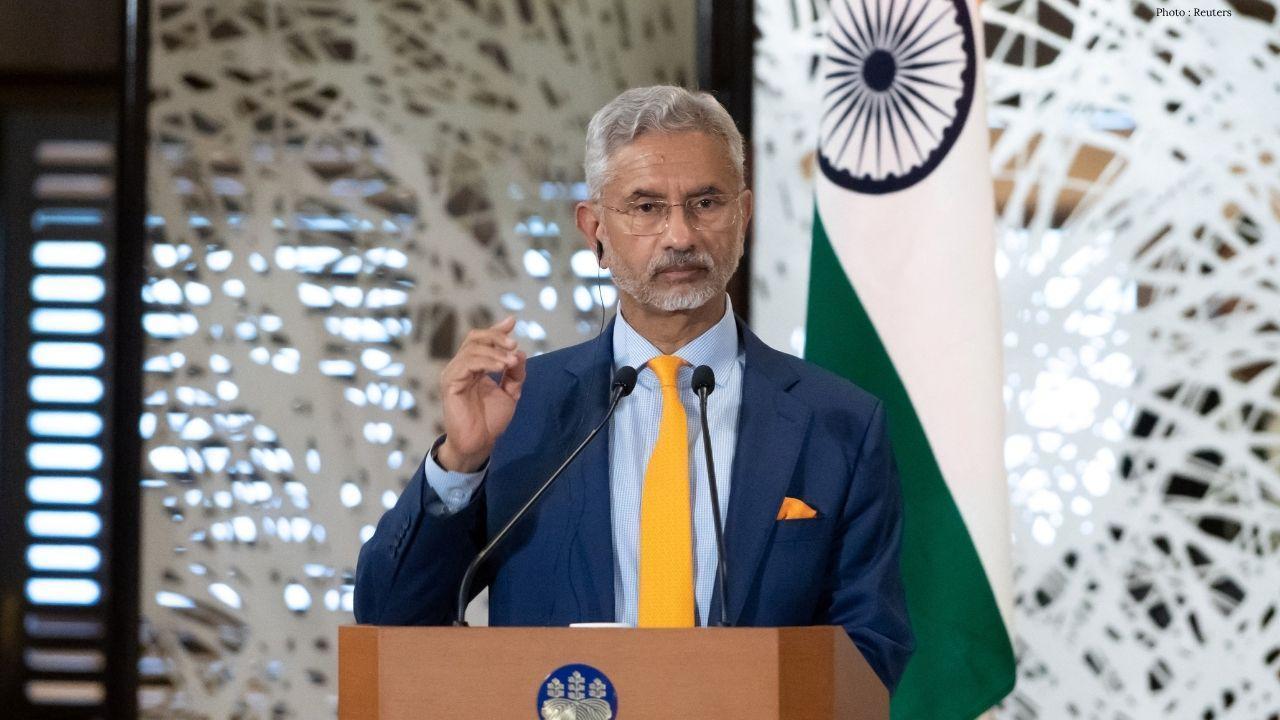
India’s External Affairs Minister, S. Jaishankar, has said that the world today needs a global workforce. Speaking at an event hosted by the Observer Research Foundation (ORF) during the United Nations General Assembly session, he stressed that no single country can meet all its workforce demands because of demographic challenges.
H-1B Visa Fee and Immigration Challenges
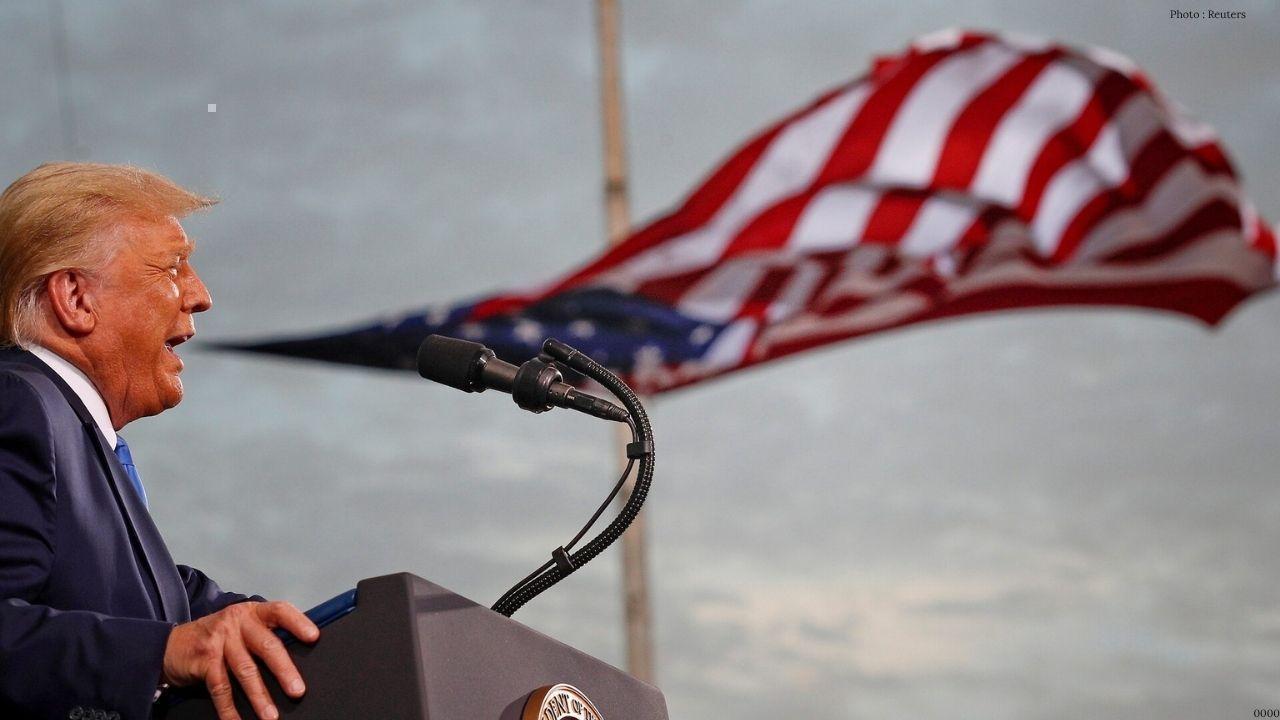
Mr. Jaishankar’s comments come amid trade tensions and immigration challenges, including the new USD 100,000 fee on H-1B visas introduced by US President Donald Trump. This fee mostly affects Indian professionals, who make up a large number of beneficiaries of H-1B temporary work visas.
He pointed out that countries need to find ways to create a modern, efficient global workforce that can work in a distributed global environment. “Where that workforce is located may be a matter of political debate,” he said. “But there is no escaping the reality that many countries cannot meet their workforce demands with only their own population.”
Global Trade and Technology
Mr. Jaishankar also highlighted the importance of technology and trade in today’s world. He said that trade has become easier due to better roads, shipping, and digital connections. Countries are now looking for new trade partners and regions to reduce risks and improve supply chains.
He explained that in today’s unpredictable world, countries must build national capacities to be more self-reliant. India’s Digital Public Infrastructure (DPI) is one example of a model that can be adapted in other countries, he said. This shows how strong national systems can be useful internationally.
Risks and Uncertainty in the Global Economy
Mr. Jaishankar emphasized that the world is facing more unpredictability, volatility, and uncertainty than before. Countries must find ways to protect themselves from over-dependence on markets, supplies, and connectivity. He said this is a major challenge for governments and businesses alike.
“Almost the entire economic chain has become riskier,” he said. “The key question in diplomacy and economics today is how to reduce risks, become resilient, and safeguard against unforeseen events.”
Disclaimer:
This article is based on statements made by India’s External Affairs Minister, S. Jaishankar, and reports from public sources. The views expressed in this editorial reflect the information available at the time of publication and are intended for general informational purposes only.


 English