Post by : Bianca
Haleem
Saudi Arabia, the United Arab Emirates and other Gulf allies are pressing US President Donald Trump to intensify military operations against Iran, saying the current campaign has not gone far enough to weaken Tehran, according to officials familiar with the matter.
The push comes after an initial phase of the conflict in which Gulf nations had expressed concern over the lack of prior consultation before US and Israeli strikes. However, their position has since shifted, with key regional powers now viewing the conflict as an opportunity to significantly reduce Iran’s influence.
Officials from Saudi Arabia, UAE, Kuwait and Bahrain have conveyed in private discussions that they do not want the war to end until there are major changes in Iran’s leadership or a clear shift in its regional behavior.
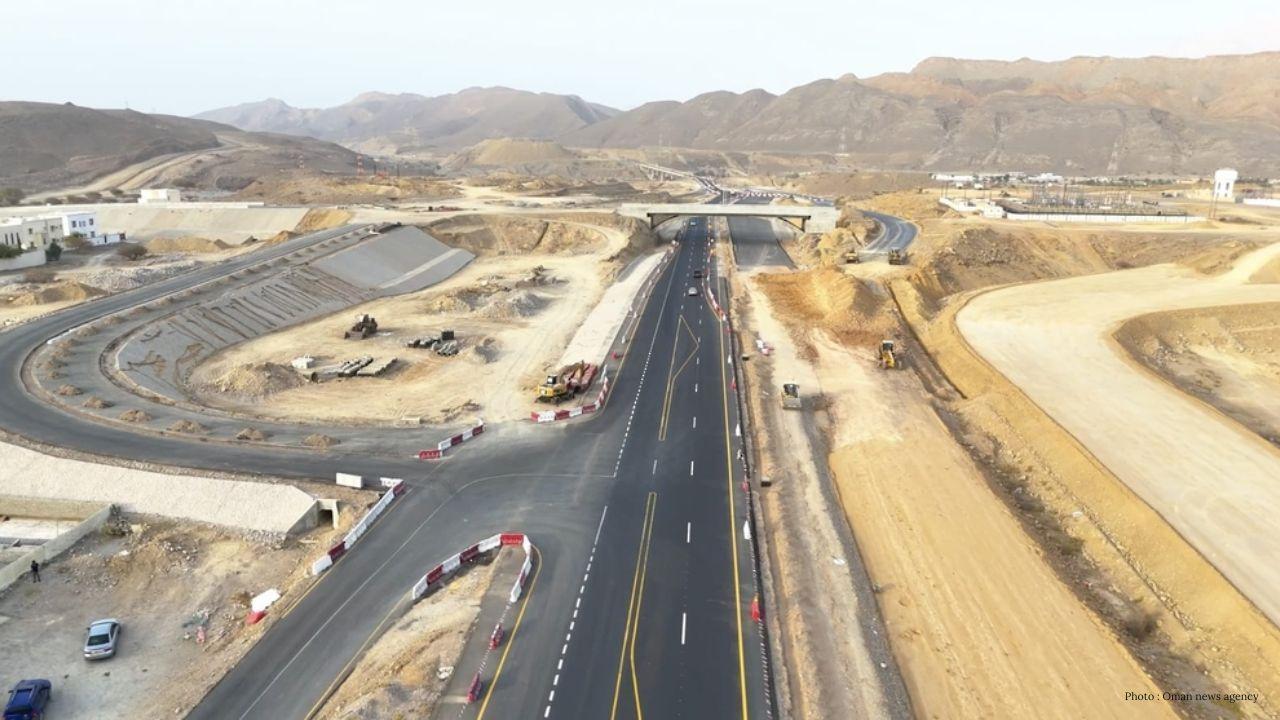
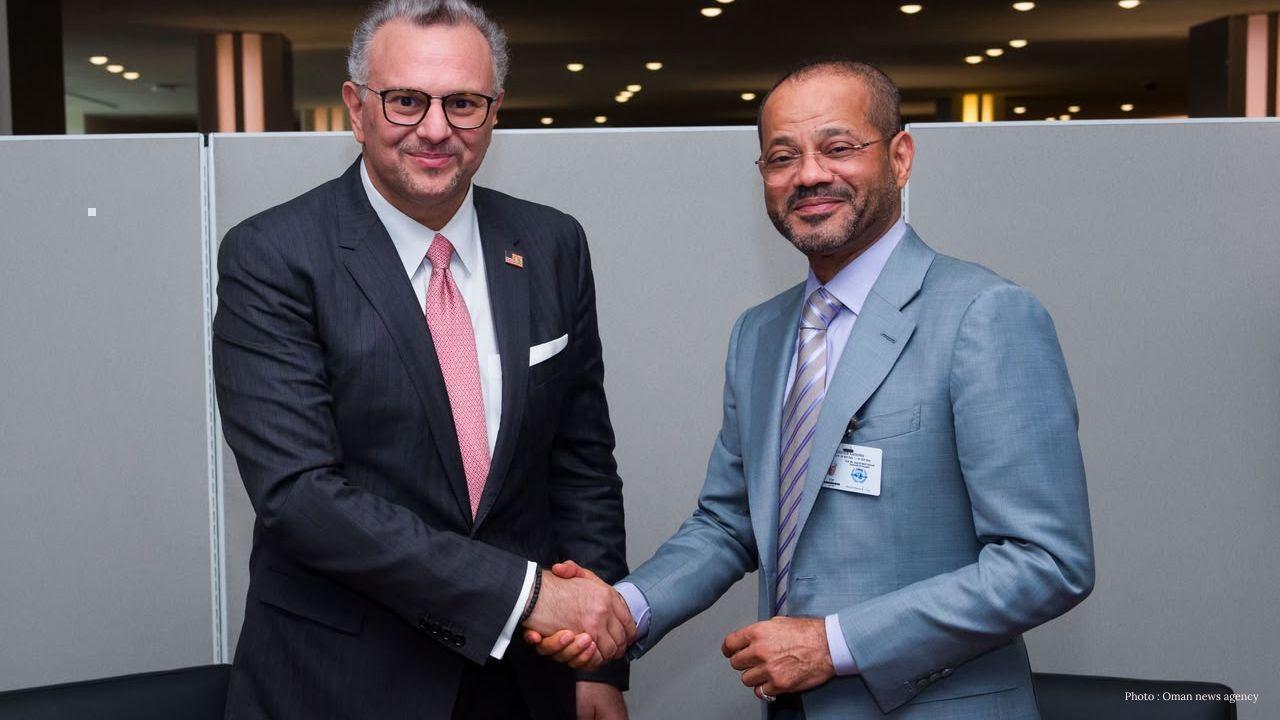
While broadly aligned, Gulf countries differ in their approach. Saudi Arabia and the UAE are leading calls for stronger military action, with the UAE reportedly advocating for a potential ground offensive. Kuwait and Bahrain are also seen as supportive of tougher measures. In contrast, Qatar and Oman continue to favor a diplomatic solution, maintaining their traditional role as mediators.
Saudi officials have emphasized that any resolution must address key security concerns, including dismantling Iran’s nuclear programme, curbing its missile capabilities, ending support for proxy groups and ensuring stability in the Strait of Hormuz, a critical global oil route.
President Trump has indicated confidence in the backing of Gulf allies, highlighting their support even as they have not directly joined offensive operations. The region continues to host US military bases that play a central role in the ongoing campaign.
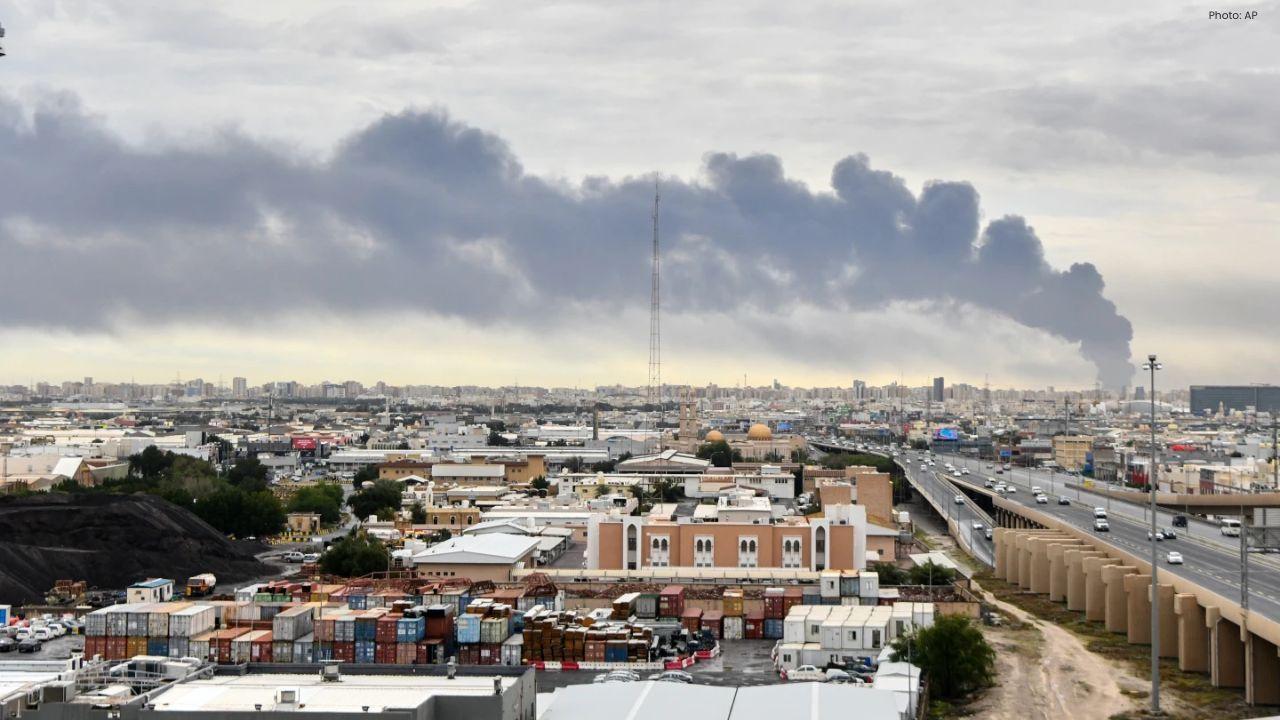
The conflict has already resulted in significant casualties and economic disruption across the Middle East, with Iran launching retaliatory missile and drone attacks. Concerns remain high in Gulf countries about the potential targeting of vital infrastructure, particularly energy facilities.
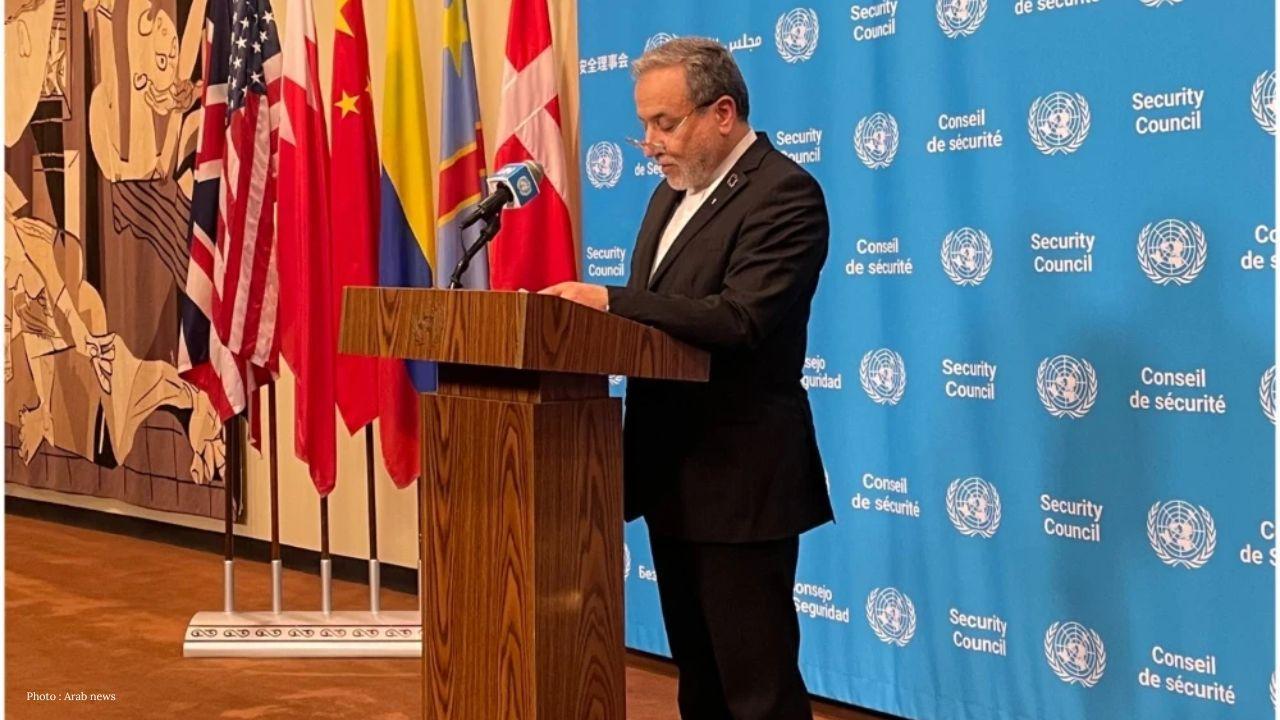
Iran, meanwhile, has maintained that its actions are directed at US forces, though some attacks have impacted civilian areas. It has also warned of further escalation if pressure continues.
Despite growing support for the US campaign, Gulf nations have so far refrained from direct military involvement. Analysts say concerns over escalation, operational risks and political sensitivities are key factors. However, experts caution that a major incident in the region could change that stance.
The situation remains fluid as diplomatic and military developments continue to unfold.


 English